
PT DSI deploys eight analytics use cases to monitor potential underinvoicing
For the initial phase, there are three strategic commodities that will fall under DSI’s scope, namely coal, palm oil or CPO, and ferroalloy.
Jakarta (ANTARA) - PT Danantara Sumberdaya Indonesia (DSI) is using eight analytics use cases to identify and monitor potential underinvoicing, transfer pricing and the repatriation of Export Proceeds (DHE) on strategic export commodities.
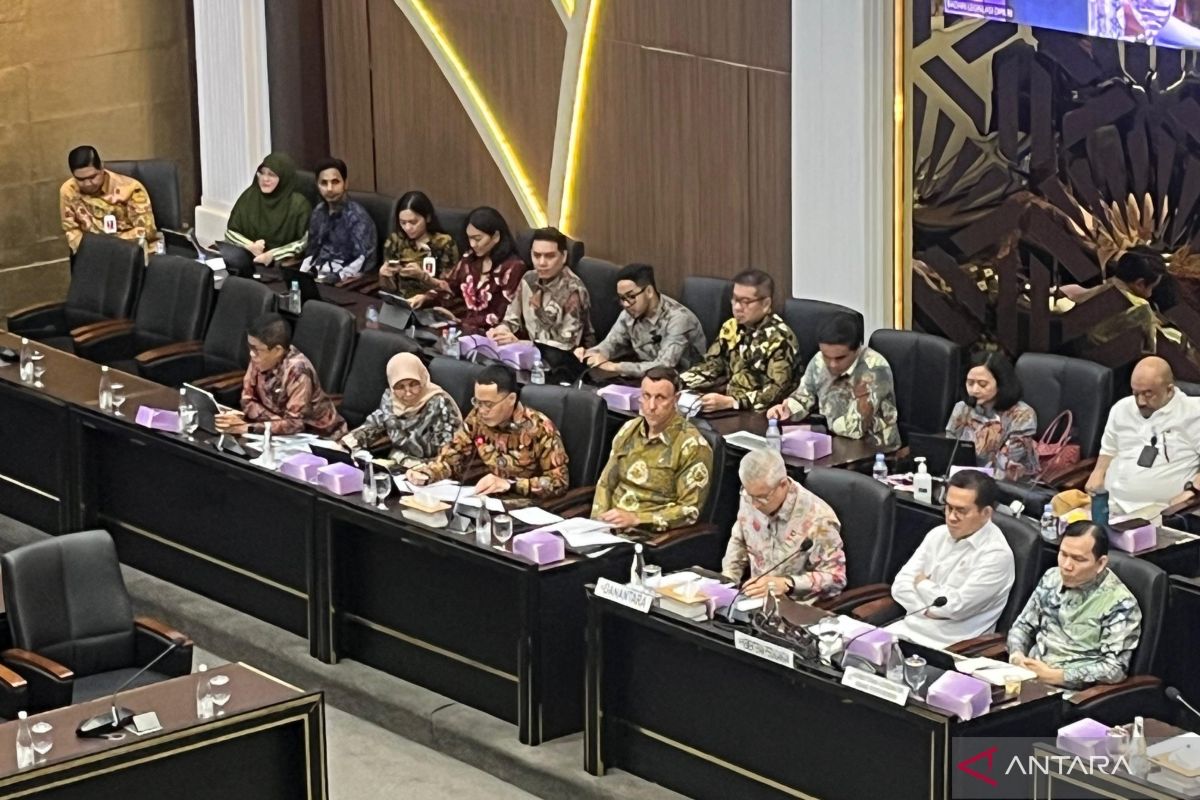
“To carry out its mandate, DSI will use eight analytics use cases to identify and monitor potential underinvoicing, transfer pricing and DHE repatriation,” said DSI’s Director of Legal and Compliance, Ivan Ferdiansyah Baely, during a joint meeting with the Legislative Body of the House of Representatives (DPR RI) on the Strategic Commodities Bill, in Jakarta on Tuesday.
Ivan explained that the first use case involves quantity reconciliation, comparing the tonnage declared in the Export Goods Declaration (PEB) with the surveyor’s certificate and the settlement at destination.
Second, DSI will carry out quality reconciliation, comparing the grade stated in the PEB with the surveyor’s certificate and the settlement at destination.
Third, Harmonized System (HS) code classification is performed by comparing the HS code in the PEB with the surveyor’s certificate and the results at destination.
Fourth, DSI will conduct price comparisons by matching declared prices against government references. Fifth, reconciliation with destination countries is done by comparing declared export volumes and values.
Sixth, DSI will examine affiliated parties. Seventh, route tracking is carried out by comparing the declared destination with the vessel’s actual trail, the buyer’s payment and the settlement at destination.
The eighth is DHE reconciliation, matching foreign exchange inflows recorded in Simodis with the expectations based on the value and terms of the PEB.
According to Ivan, for the initial phase there are three strategic commodities that will fall under DSI’s scope, namely coal, palm oil or CPO, and ferroalloy.
Regarding the implementation of this mandate, Ivan emphasised that DSI supports the government and relevant ministries and agencies in setting policy, as DSI acts as an implementing body.
Ivan said DSI can perform the function of an intermediary or single interface, including obtaining data, conducting transaction verification and analysis, and submitting reports when indications requiring attention are found.
If discrepancies are found, follow-up remains the responsibility of the relevant agencies with authority in accordance with applicable regulations.
DSI also considers the principle of continuity or non-disruption important in implementing new governance for strategic commodities. Business actors with existing trade relationships and running contracts need certainty so that governance changes do not automatically disrupt existing contracts or ongoing export processes.
DSI recommended that the Strategic Commodities Bill specifically regulate the source of funds, purpose, governance, use and accountability.
“However, from DSI’s perspective, if DSI has a role in the strategic commodities ecosystem, that legal basis and role should also be clearly stated in the law, not only through administrative regulations beneath it,” said Ivan.