
Psychologist: Victim blaming can prolong trauma for abuse survivors
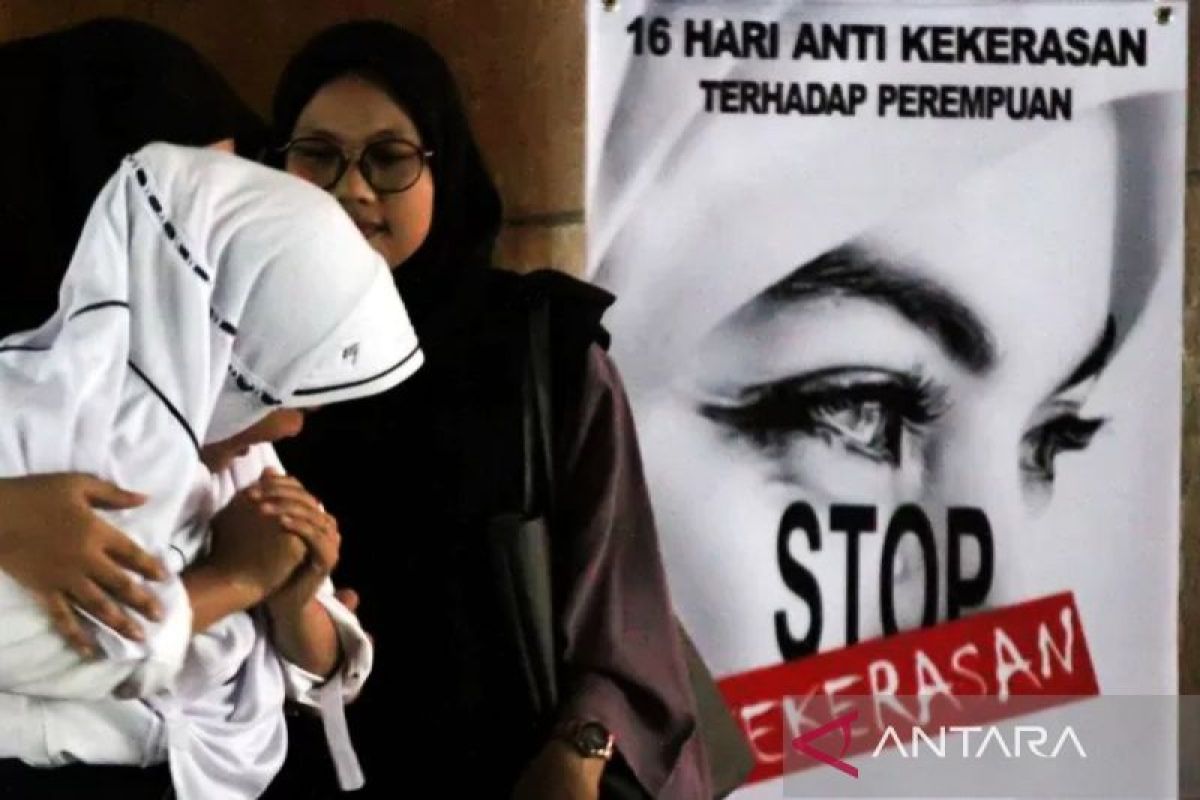
Psychologist Samanta Clara Elsener, S.Psi, M.Psi, stated that victim blaming, a behaviour where the victim is held responsible in cases of violence, can prolong trauma. “In psychological practice, a supportive environmental response is one of the important factors in the trauma recovery process. Conversely, victim blaming can actually prolong trauma and hinder the healing process,” Samanta said when contacted by ANTARA from Jakarta on Wednesday. The psychologist, who is a member of the Indonesian Psychological Association (HIMPSI), said that victim blaming often occurs in society due to reasons such as the belief that the world is just, leading people to seek fault in the victim to feel safe themselves. Additionally, there is still low literacy regarding the psychological impact of violence, as well as a tendency to view cases or events only from perspectives with limited information. Yet on the other hand, victims experience threats, fear, manipulation, and control every day. “They not only carry wounds from the violence they experienced, but also have to face guilt because they feel held responsible for what happened. As a result, survivors can become increasingly ashamed, lose self-confidence, be reluctant to seek help, and even choose to remain silent for fear of being judged again,” she said. Samanta also assessed that victims who experience prolonged violence often face psychological conditions that make it difficult for them to leave the dangerous relationship. In such cases, perpetrators also frequently use psychological control, intimidation, threats, social isolation, and emotional manipulation, making the victim feel completely dependent. This condition severely disrupts the victim’s ability to make decisions, think clearly, and assess risks. “So, the difficulty victims have in escaping is not because they do not want to survive, but because their survival system is operating under conditions of extreme trauma,” she added. “Having empathy means acknowledging that every alleged victim has the right to be treated with respect, to be heard, and not to be blamed for the violence they may have experienced,” she stressed. According to her, before responding or commenting on cases of violence, especially on social media, one needs to consider whether the comment will help the victim or worsen their wounds. One should also consider whether all the facts of the incident are known and ensure that the assessment is not based on personal understanding or mere assumptions. “A healthy society is not one that is quickest to judge, but one that is able to provide a sense of safety for victims to speak up and get help,” she said.