
Psychologist: Children under 16 not psychologically ready for social media accounts
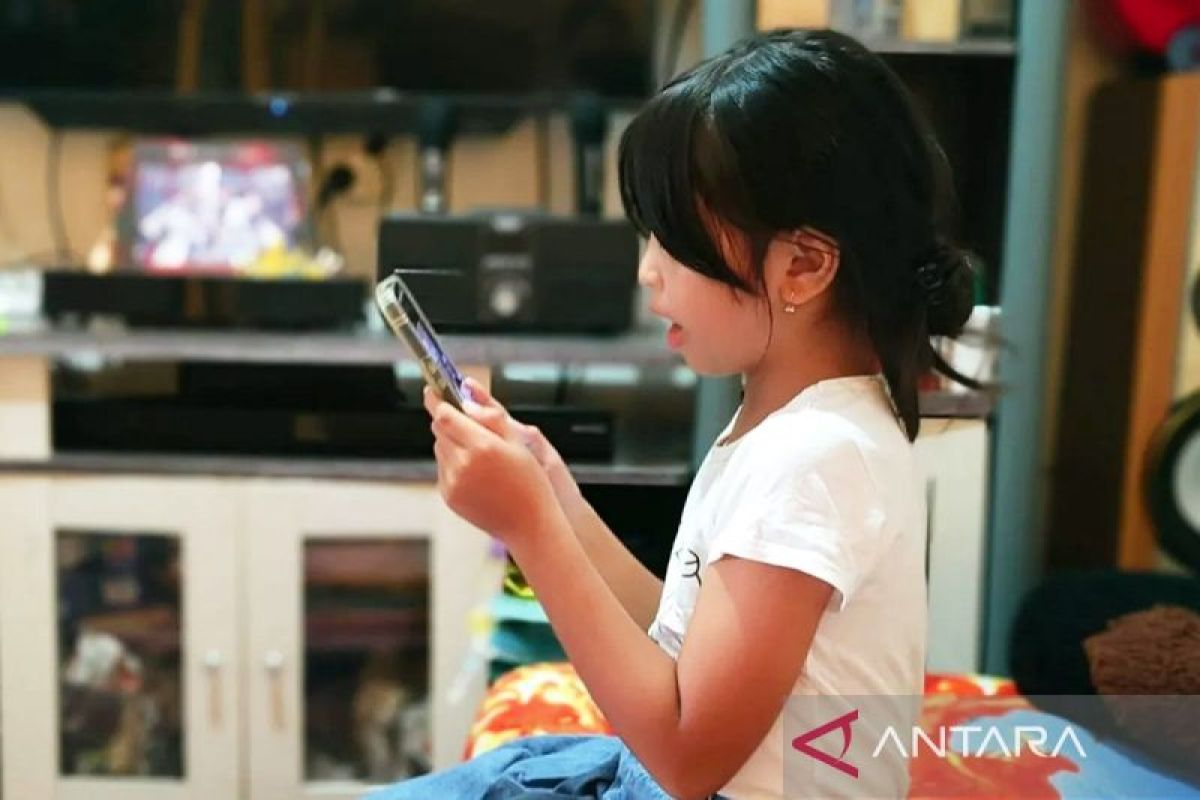
Jakarta (ANTARA) - Professor of Psychology at the University of Indonesia, Prof. Dr. Rose Mini Agoes Salim, M.Psi., Psychologist, has stated that children under the age of 16 are not psychologically ready to have social media accounts and therefore still require protection and guidance from parents, their surroundings, and the government. “Children have limited capabilities. Therefore, when a child is unable to protect themselves, they need protection from their environment, including parents,” Romy said when contacted on Monday. She explained that a child’s abilities develop in stages. Children aged 0 to 6 years are not yet able to filter stimulation and manage emotions. Entering the ages of 7 to 12, children begin to actively use the internet but are still unable to assess risks or think critically. Meanwhile, at the ages of 13 to 15, children’s emotions develop more strongly, but their self-control is not yet mature. According to Romy, these limitations make children more vulnerable to various risks in the digital space, ranging from exposure to inappropriate content to cybercrimes targeting children. For this reason, she considers the implementation of the Government Regulation on Electronic System Governance for Child Protection (PP TUNAS) as a state effort to protect children who are not yet capable of safeguarding themselves in the digital space. “So the government is present, PP TUNAS helps by blocking first. However, parents and those around the child must provide stimulation so that the child can eventually protect themselves, by having the ability to be wise in the digital space,” she said. She stated that parental guidance remains the primary factor in shaping a child’s ability to use the digital space responsibly. Parents need to help children build self-control, understand moral values, and know when to stop using gadgets. “Provide moral stimulation, give them the ability to regulate themselves. Not to use gadgets as they please. There are limits. They must know when to stop,” she said. Romy also reminded parents not to lend their social media accounts to their children. According to her, such actions could undermine the purpose of the PP TUNAS regulation, which is designed to limit children’s access to social media until they have adequate readiness. “Parents should not lend their accounts to their children. Because if they do, what the government is doing will be useless. The child does not have an account, but they access it using their parents’ or other people’s accounts,” Romy said.