
Psychologist calls uncomfortable jokes an indicator of sexual harassment
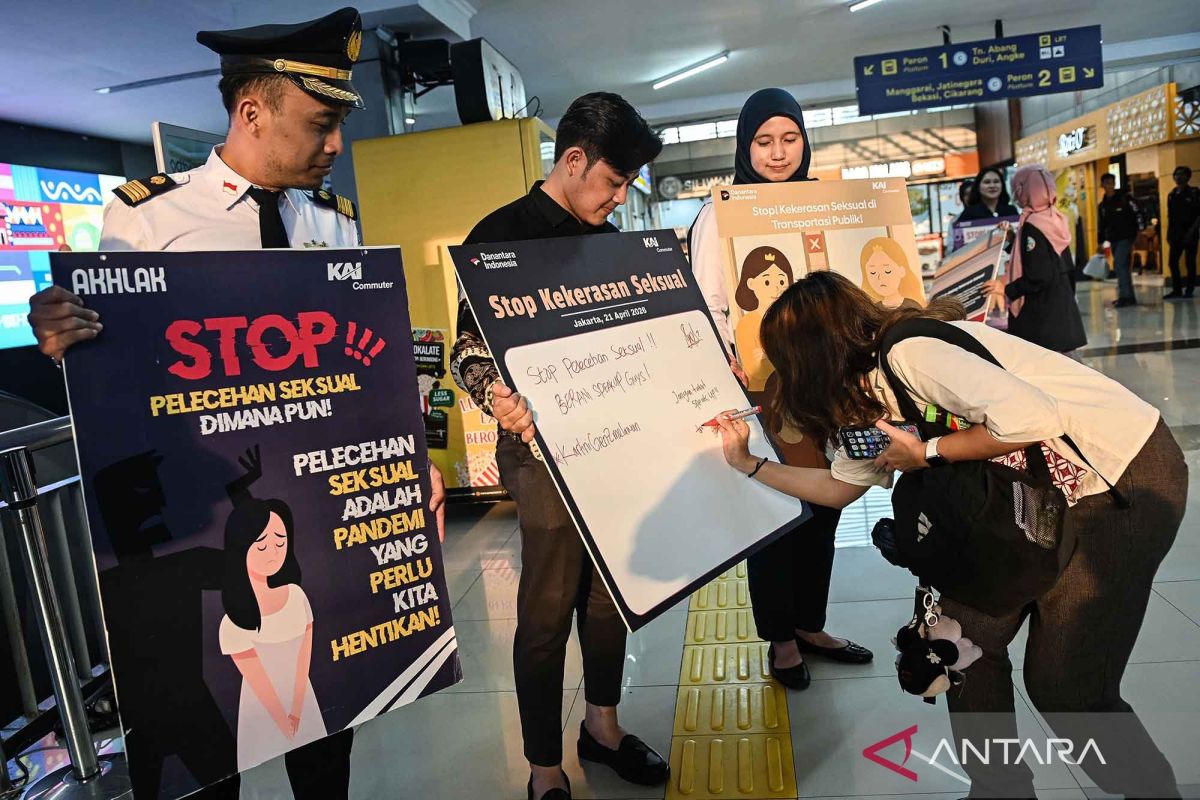
Jakarta (ANTARA) - Clinical psychologist Phoebe Ramadina M.Psi, Psychologist, a graduate of the University of Indonesia, stated that jokes causing discomfort need to be heeded as indicators to watch for in cases of sexual harassment, both verbally and online. “The most important indicator to remember and be wary of as sexual harassment is the discomfort felt by the victim, even if the behaviour does not yet appear ‘clearly’ as harassment on the surface,” Phoebe told ANTARA on Thursday. She explained that sexual harassment on social media often emerges in subtle and veiled forms, making it easy to misinterpret as jokes or compliments. Phoebe said that expressing discomfort towards jokes veering into harassment is an essential part of maintaining personal boundaries, although it is often not easy to do. She added that it is also important to recognise that feeling uncomfortable is reason enough to set boundaries, without waiting for the situation to worsen. “From the victim’s perspective, this can begin with communicating directly and specifically, such as saying that the comment makes one uncomfortable and asking for it not to be repeated. Clear and firm communication is often more effective,” she said. Phoebe noted that knowing the forms of harassment early is necessary to empower oneself against uncomfortable situations. In addition, actions such as sending unsolicited sexual content, manipulating someone to send personal photos, or making comments that objectify daily activities also constitute forms of harassment. Phoebe recommended being bold in voicing discomfort in situations leading to sexual harassment and managing privacy on social media, such as limiting access to personal information and interactions from unknown people, which can also help reduce risks. “Psychologically, when someone has good self-awareness and feels entitled to safety in social interactions, they tend to be more sensitive to signs of inappropriate behaviour and better able to take steps to protect themselves,” said Phoebe.