
Psoriasis Is More Than Just Dry Skin: Know the Symptoms and Causes
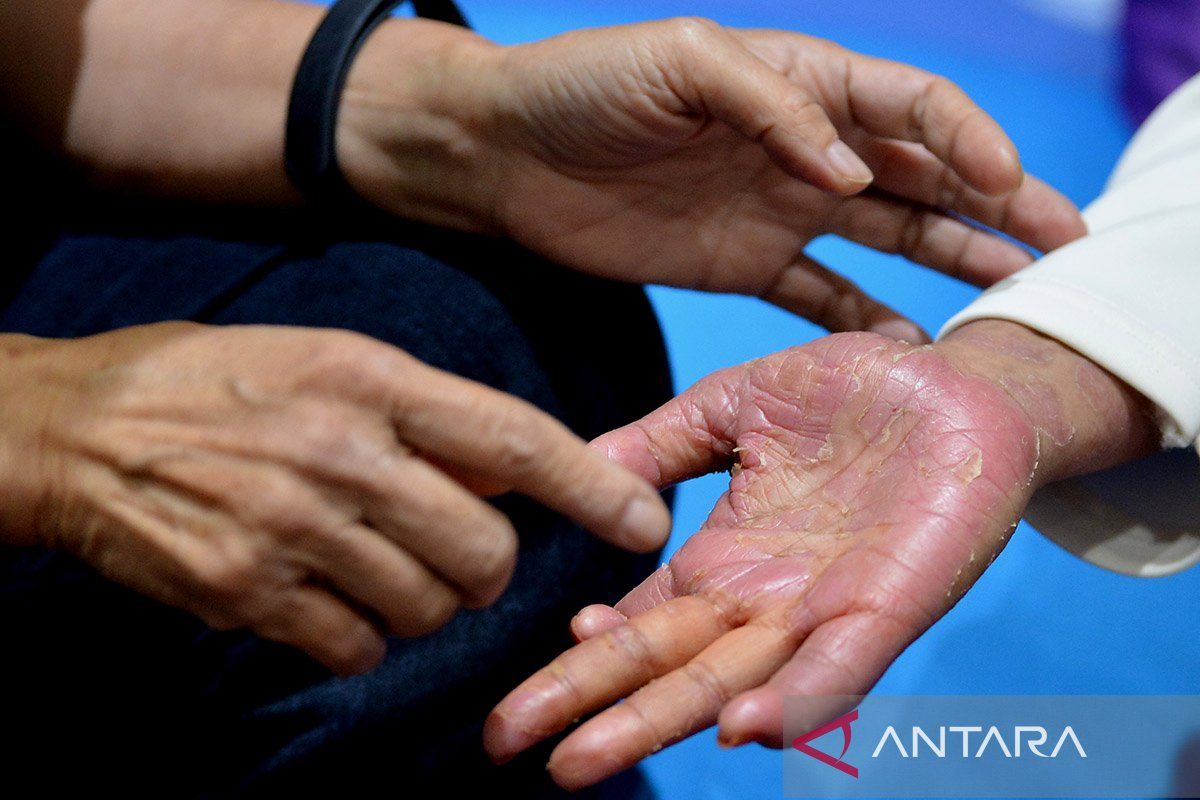
Jakarta (ANTARA) – Dry, itchy, reddened skin with silvery-white scales is often considered an ordinary skin problem. However, these symptoms may be a sign of psoriasis, a chronic inflammatory skin disease linked to a disorder of the immune system.
Psoriasis is not simply a matter of skin losing moisture. It occurs when the immune system affects the process by which skin cells regenerate, causing it to happen much faster than normal.
As a result, skin cells accumulate on the surface and form thick, scaly patches. Symptoms can appear on various parts of the body, including the elbows, knees, scalp, back, and palms and soles.
The disease is not contagious through touch, sharing personal belongings or physical contact with someone who has it. Nevertheless, psoriasis can be a long-term condition, with symptoms that sometimes improve and then flare up again.
Understanding psoriasis and the causes of scaly skin
Psoriasis is a chronic inflammatory skin disease mediated by the immune system, known as an immune-mediated inflammatory disease.
Normally, human skin cells are replaced gradually. In people with psoriasis, however, the process happens too quickly because the immune system is not functioning as it should.
Research published in the journal Nature Reviews Disease Primers in June 2025 explains that psoriasis is associated with genetic factors and disruption to inflammatory pathways in the immune system.
This triggers excessive production of skin cells, causing cells that have not yet shed to accumulate on the skin’s surface. The build-up forms thick patches accompanied by white or silvery scales.
Psoriasis can affect anyone, regardless of sex, and can develop at any age. People with a family history of psoriasis are also more likely to develop the condition.
Signs of psoriasis to look out for
Symptoms can vary from person to person, depending on the type and severity of the disease. However, several signs are commonly found.
The following are symptoms of psoriasis to watch for.
- Red, scaly patches
One of the most common signs is the appearance of reddish patches with thickened skin. They are usually accompanied by clearly visible silvery-white scales.
- Itchy, sore or painful skin
Areas affected by psoriasis may feel itchy, hot, sore or even painful. For some people, the itching can significantly disrupt daily activities.
- Dry, cracked skin
Psoriasis can make the skin extremely dry. In some cases, the skin may crack and bleed.
- Changes to the nails
Psoriasis can affect not only the skin but also the fingernails and toenails. Signs include small pits on the nail surface, discolouration, thickening and nails separating from their beds.
- Patches on several parts of the body
Psoriasis is most often found on the elbows, knees, scalp and lower back. It can also affect the face, palms, soles and skin folds.
Symptoms may develop gradually. Sometimes patches become thicker and spread, while at other times the condition may improve.
What can trigger a psoriasis flare-up?
The exact cause of psoriasis is not yet fully understood. However, genetic factors and immune system dysfunction are known to play a role in its development.
A number of factors can trigger symptoms or make psoriasis worse.
- Excessive stress
Stress can affect the immune response and trigger psoriasis flare-ups. For some people, symptoms may also become more severe during prolonged emotional distress.
- Infection
Certain infections, particularly a streptococcal bacterial throat infection, can trigger guttate psoriasis. This type is usually marked by small, drop-like spots.
- Skin injury
Cuts, scratches, insect bites and sunburn can trigger psoriasis patches in the affected areas. This phenomenon is known as the Koebner phenomenon.
- Certain medicines
Some medicines, including lithium, certain antimalarials and some blood pressure drugs, can worsen psoriasis in people who are susceptible to it.
- Smoking and alcohol consumption
Smoking and excessive alcohol consumption are associated with an increased risk and greater severity of psoriasis. Lifestyle changes are therefore an important part of managing the disease.
It is important to understand that triggers can differ from person to person. Not everyone with psoriasis experiences flare-ups for the same reasons.
Is psoriasis dangerous?
Psoriasis does not always cause serious complications, particularly when symptoms are mild and the condition is treated appropriately.
However, it should not be taken lightly, as its effects can extend beyond the skin.
One complication to watch for is psoriatic arthritis, an inflammation of the joints that can cause pain, swelling and stiffness, and restrict movement.
People with psoriasis also face a higher risk of several health problems, including cardiometabolic disease and mental health disorders.
The psychological impact should not be overlooked. Visible patches can sometimes leave people feeling less confident or embarrassed, and cause anxiety because of social stigma.
For this reason, psoriasis treatment should take account of both physical health and the patient’s quality of life.
How is psoriasis treated?
There is currently no treatment that can cure psoriasis permanently. However, a range of medical therapies can help control inflammation, reduce symptoms and extend periods when the disease is inactive.
Treatment is generally tailored to the type and severity of psoriasis, the location of the patches and the patient’s overall health.
- Topical medicines
Doctors may prescribe topical corticosteroids, vitamin D analogues or other creams to help reduce inflammation and the build-up of skin cells.
- Moisturisers
Regular use of moisturisers helps keep the skin hydrated, reduce dryness and prevent further cracking. Choose gentle products that do not contain ingredients likely to cause irritation.
- Phototherapy
Ultraviolet light therapy, particularly narrowband UVB, may be used to help manage psoriasis in certain cases. It must be carried out under medical supervision.
- Systemic medicines and biologic therapies
For moderate to severe psoriasis, doctors may consider systemic medicines or biologic therapies. These treatments work by targeting parts of the immune system involved in inflammation.
Alongside medical treatment, people with psoriasis are advised to care for their skin, manage stress, avoid triggers and maintain a healthy lifestyle.
When should you see a doctor?
Scaly skin does not always indicate psoriasis. Other conditions, such as eczema, seborrhoeic dermatitis and fungal infections, can cause similar symptoms.
A dermatologist should therefore examine the condition to confirm its cause. Diagnosis is usually based on an examination of the skin and the patient’s medical history, with further tests if needed.
Seek medical attention promptly if patches spread, the skin becomes painful, sores or bleeding develop, or symptoms interfere with everyday activities.
If joint pain and swelling occur, an examination is also important to detect possible psoriatic arthritis early.
Psoriasis is therefore not simply a matter of dry skin or a lack of moisture. It is linked to an immune response that causes inflammation and excessive accumulation of skin cells. Recognising symptoms early and receiving appropriate treatment can help people manage the condition and live more comfortably.
Source: jawawa.id (https://jawawa.id/newsitem/psoriasis-is-more-than-just-dry-skin-know-the-symptoms-and-causes-1795604150)
Originally published by Antara (Indonesian) (https://www.antaranews.com/berita/5877767/psoriasis-bukan-sekadar-kulit-kering-kenali-gejala-dan-penyebabnya), translated from Indonesian