
PSO Keeps Rail Travel Affordable
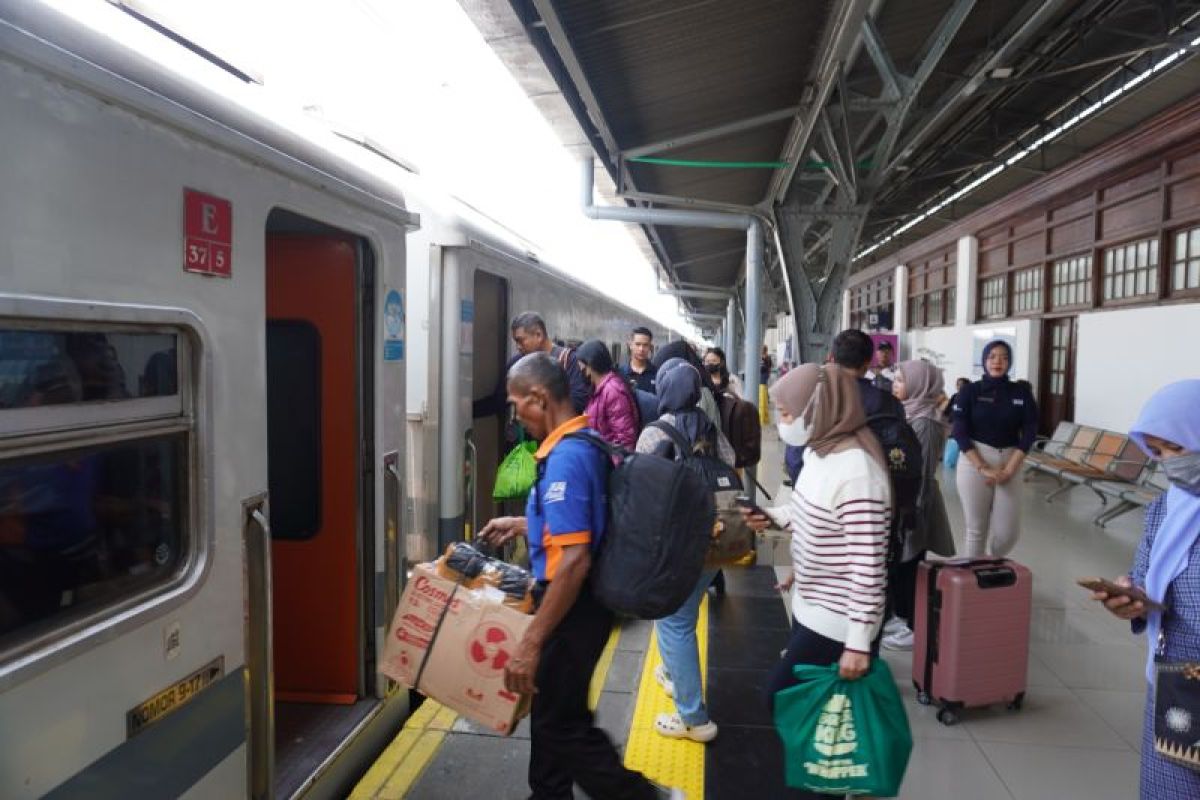
Jakarta (ANTARA) – For some people, travelling by train means going home after work. For others, it is a way to reach university, a place of business or a hospital, or to meet family in another city. Whatever the destination, travel costs are one factor people consider when choosing a mode of transport.
Under the Public Service Obligation (PSO) scheme, the government assigns operators to provide economy-class rail services at fares set by the state. This support helps ensure that people have access to rail journeys at more affordable prices, in accordance with applicable regulations.
For state-owned railway operator PT Kereta Api Indonesia (Persero), or KAI, PSO is part of its provision of public transport services for people with varied economic circumstances and travel needs.
KAI Vice President of Corporate Communications Anne Purba said the benefits of PSO could be seen in the opportunities it gives people to travel to meet their everyday needs.
“Affordable train fares can help people manage their travel expenses. Some use the service to get to work, pursue education, trade, access healthcare or return home to see family. Government support through PSO helps ensure that affordable transport remains an option for these mobility needs,” Anne said.
The benefits are reflected in passenger numbers on KAI’s PSO long-distance and local train services. According to KAI commercial performance data, 14,164,401 passengers used the two service categories between January and September 2026. This was an increase of around 7.7 per cent on the 13,155,181 passengers recorded in the same period in 2025.
PSO long-distance trains carried 8,862,107 passengers, up around 4.0 per cent from 8,517,769 in January–September 2025. Local PSO trains carried 5,302,294 passengers, an increase of around 14.3 per cent from 4,637,412 in the same period a year earlier.
Anne said the figures reflected demand for affordable economy-class rail services, both for intercity journeys and regional travel.
“Every passenger has different needs. Some travel long distances to return to their hometowns, others go between cities for work or study, while some use local trains as part of their routine. Affordable services help people plan journeys according to their means and needs,” Anne said.
Long-distance economy trains receiving PSO support include the Airlangga, which runs between Pasar Senen and Surabaya Pasarturi; the Bengawan, between Pasar Senen and Purwosari; the Kahuripan, between Kiaracondong and Blitar; and the Sri Tanjung, between Lempuyangan and Ketapang. Other subsidised economy services, such as the Serayu, also help people reach cities across different regions.
These routes connect areas with differing needs. People can travel to find work, continue their education, run a business or meet family needs, using the services and schedules available.
On local routes, PSO support provides journeys linking residential areas with centres of community activity. Local trains help connect people to workplaces, markets, schools and public services along their routes.
Anne said the value of PSO should also be assessed in terms of service continuity. Government support goes hand in hand with operators’ responsibility to ensure rolling stock is ready, journeys are safe and service quality meets applicable standards.
“Affordable fares must be matched by safe and reliable services. KAI continues to carry out its assignments in line with regulations, manage operations and maintain its rolling stock so that people can use the services sustainably,” Anne said.
PSO is implemented through co-operation between the government, via the Directorate General of Railways at the Ministry of Transportation, and railway operators. The scheme allows fares to be set in line with public service needs, while operations must continue to meet safety standards and applicable regulations.
Anne added that public transport played an important role in giving people access to opportunities. When travel is affordable, people can allocate their spending to other needs while staying connected with family and economic activities in their regions.
“The value of public transport lies in how it helps people in their daily lives. We hope that PSO-supported rail services will continue to provide affordable access, enabling people to go about their activities and pursue opportunities more freely,” Anne said.