
PSI NTT: Political Differences Should Not Erase NTT's Development History
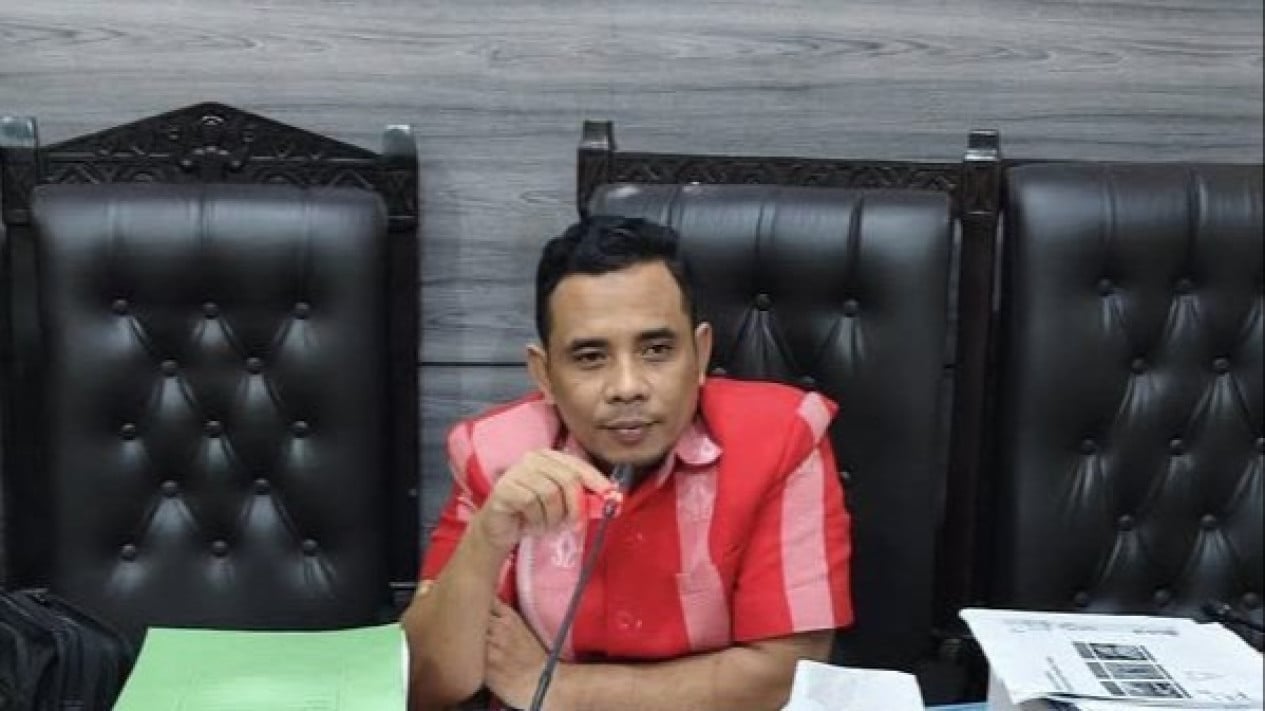
The planned visit of Indonesia’s 7th President Joko Widodo (Jokowi) to East Nusa Tenggara (NTT) from 31 July to 2 August 2026 has reignited discussion regarding his administration’s development track record in the region. The Regional Secretary of the Indonesian Solidarity Party (PSI) for NTT, Junaidin Mahasan, believes that differing political choices should not obscure the facts about the various developments carried out in NTT.
"Every time his name is mentioned again, the memory of NTT’s people about his legacy and development footprint in NTT also surfaces. During Mr Jokowi’s era, the development paradigm shifted from being Java-centric to Indonesia-centric," Junaidin told reporters on Thursday, 30 July 2026.
According to him, this shift in the development paradigm was directly felt by the community through various government programmes that strengthened connectivity and development in the archipelago. "For most of the people of NTT, that paradigm shift is not just a slogan. The public sees it through infrastructure development, strengthened connectivity, the construction of roads and ports, the development of tourism areas, and the Sea Toll programme. The Sea Toll is not merely ships sailing from one port to another. The Sea Toll is a symbol of the change in the way the state views NTT," he stated.
Junaidin said the Sea Toll programme is considered one of the manifestations of the government’s changed development approach towards NTT. "The sea that was once a divider is slowly being turned into a road. Distances that were once obstacles are beginning to be transformed into connectivity. And islands that once felt remote are starting to be connected to the pulse of national development," he remarked.
He also invited the public to separate political dynamics from the assessment of the development results that have been felt. "Therefore, if there are those today who try to diminish the significance of development in NTT purely for political reasons, I want to say: please, have different political choices. But do not erase historical facts. During Mr Jokowi’s era, the development paradigm shifted from being Java-centric to Indonesia-centric," Junaidin said.
According to him, the Indonesia-centric development concept is proof of the state’s presence reaching out to archipelagic regions, border areas, and regions that have long faced isolation. "This is the meaning of Indonesia-centric: the state is present not only in growth centres, but also in border areas, archipelagos, and remote areas that have long faced isolation. So that for most of the people of NTT, Mr Jokowi is not just a former President. He is a figure who left behind stories, policies, and development that are still felt to this day," he concluded.