
PSHKP Launched to Strengthen Public Financial Governance and Regional Autonomy
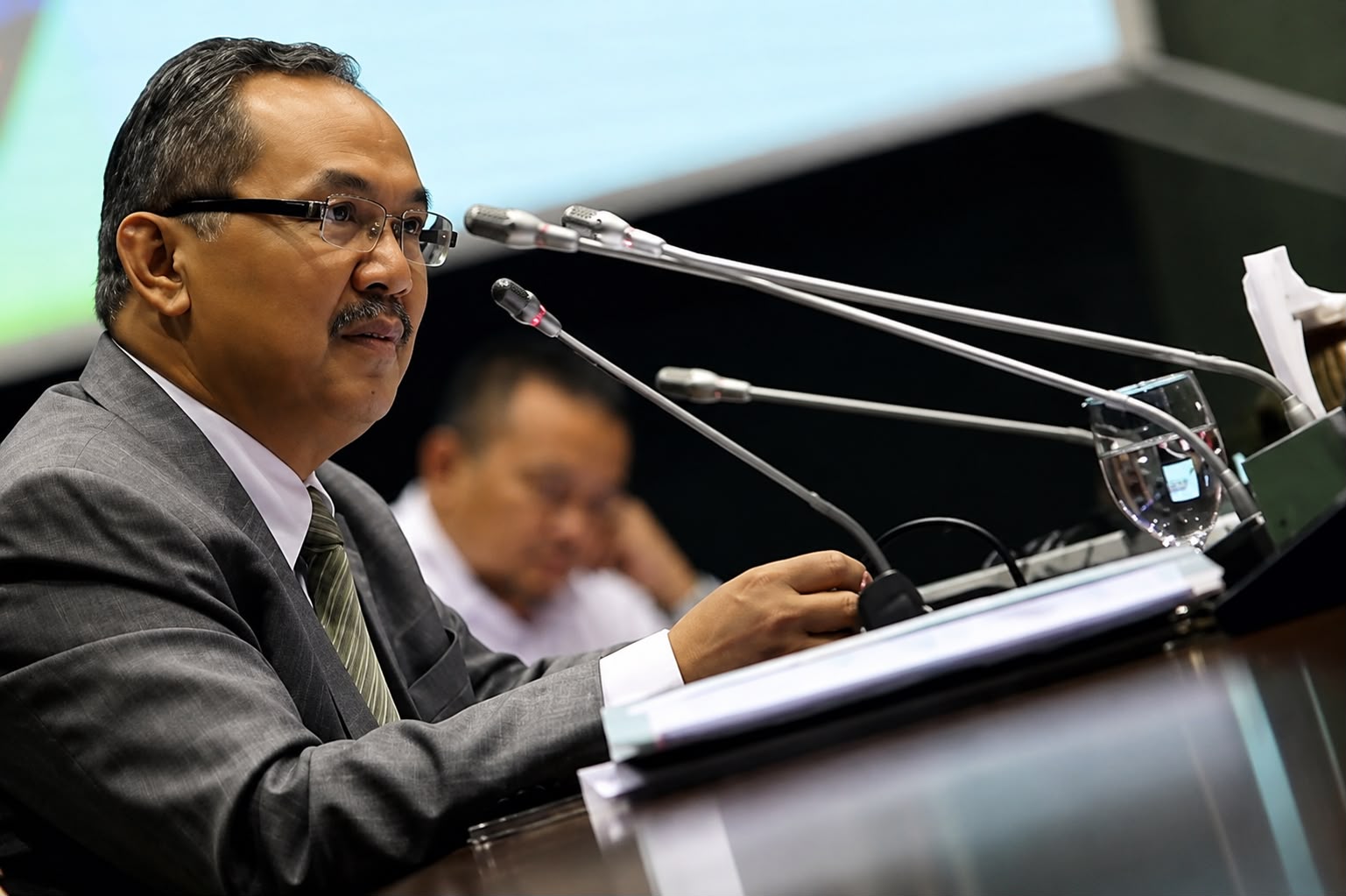
The Public Law and Finance Studies Centre (PSHKP) has been launched by practitioners and academics to address ongoing challenges in Indonesia’s public financial governance, from optimising Regional Own-Source Revenue (PAD) and government spending accountability to the effectiveness of regulatory implementation at both central and regional levels. Mulia Panusunan Nasution, a member of the PSHKP Advisory Board, stated that the management of state finances must not stop at fulfilling administrative aspects alone. “Public financial management must be understood not merely as meeting administrative requirements, but also as executing the philosophy contained in every regulation. When governance is implemented according to these principles, state finances truly become an instrument for improving public welfare,” Mulia said in a written statement on Thursday (23/7). The former Secretary General of the Ministry of Finance noted that many regional governments still face challenges in increasing fiscal capacity, optimising asset management, and strengthening Regional Own-Source Revenue as the foundation for regional financial independence. According to him, these issues require an approach that is not only oriented towards regulatory compliance but also supported by evidence-based studies, capacity building for officials, and sustainable mentoring. PSHKP Executive Director RM Wiwing Handayaningsih stated that the institution was formed to be a partner for both central and regional governments in strengthening legal and public financial governance. PSHKP will focus on four centres of excellence: Public Finance & Regional Revenue Excellence, Regulatory Impact & Legal Reform, Digital Government & AI Policy, and an Executive Government Academy for regional leaders and officials. Wiwing expressed hope that these four study centres would help the government produce policies that are more adaptive to technological developments, regulatory changes, and community needs.