
PSEL Expected to Become Integrated Solution for Bali's Waste Problem
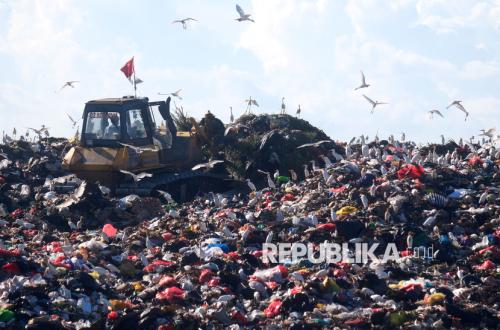
The accumulation of waste in Bali, reaching approximately 3,500 tonnes per day, has become a serious challenge that can no longer be resolved solely by relying on final disposal sites (TPA). Beyond threatening environmental cleanliness and the tourism sector, the build-up of waste also increases the risk of water pollution, greenhouse gas emissions, and even fires due to methane gas accumulation.
Amid these conditions, the government has begun constructing a Waste-to-Energy Plant (PSEL) in Pedungan, South Denpasar, as part of a national waste management transformation based on Presidential Regulation Number 109 of 2025. Waste and climate change researcher from Udayana University, Ida Bagus Mandhara Brasika, stated that Bali’s waste problem has reached a stage requiring comprehensive reform, not just additional infrastructure.
He noted that the percentage of unmanaged waste exceeds 50 percent, and the failure of various waste facilities has increased environmental leakage, contributing to major flooding in Bali in 2025. He expressed concern that without serious handling, similar disasters will recur, alongside the public health hazard of residents burning rubbish due to a lack of disposal access.
Brasika views the PSEL construction as a positive signal of the government’s commitment to fixing Bali’s waste system. However, he cautioned that the facility’s success depends heavily on changes in waste governance, particularly the implementation of waste sorting at the source. He warned that if waste arrives mixed, its high moisture content will require excessive energy for power generation, potentially causing the project to fail.
He stressed that public education must be an inseparable part of the PSEL development, as modern processing facilities will not yield optimal results without changes in community habits. Coordinating Minister for Food, Zulkifli Hasan, said the acceleration of PSEL construction was made possible after the government simplified various regulations that had previously hindered waste management solutions.
Danantara Indonesia CEO, Rosan Roeslani, affirmed that the PSEL development is part of efforts to accelerate national waste management using proven technology and high governance standards, in line with President Prabowo Subianto’s directive to resolve the issue swiftly. The Bali PSEL will use moving grate incinerator technology designed to meet European Industrial Emissions Directive standards and is equipped with an Air Pollution Control System. It is projected to reduce emissions by up to 80 percent per tonne of waste compared to open dumping, create around 1,200 green jobs, and serve as a public education centre for modern waste management.