
PSEL Bali Deemed Relevant to Address Open Dumping and Climate Change
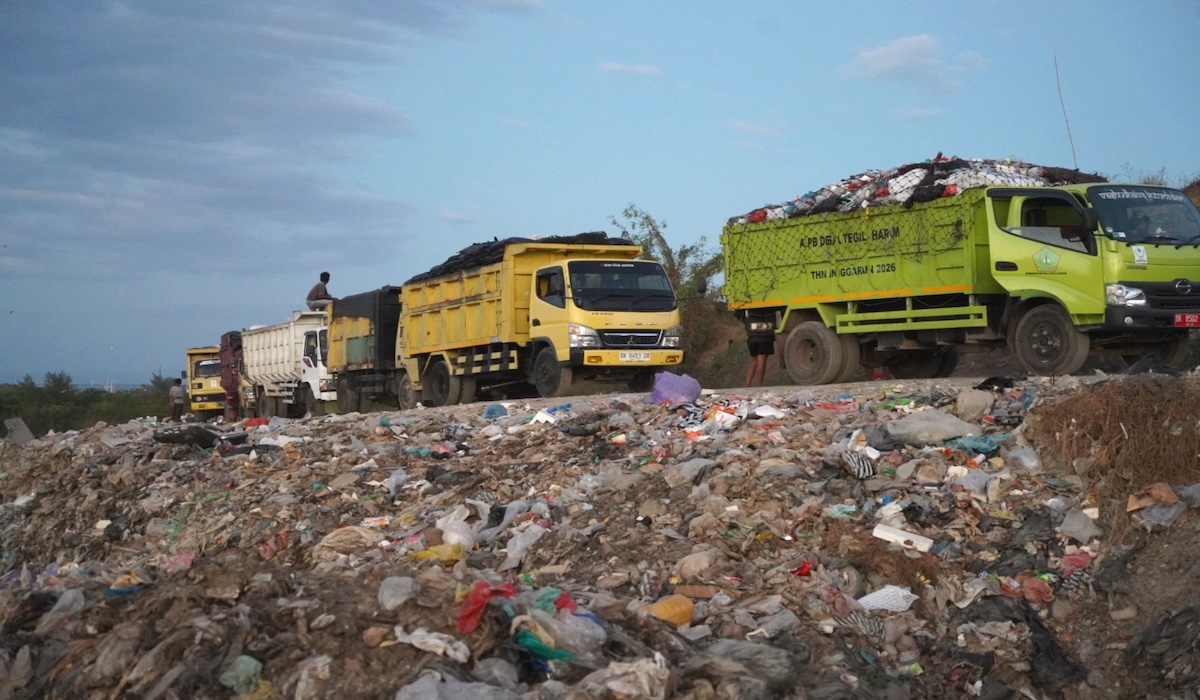
The construction of a Waste-to-Energy Plant (PSEL) in Bali is considered a strategic step to accelerate waste management while strengthening environmental impact control on the Island of the Gods. The facility is expected to reduce greenhouse gas emissions produced by open dumping.
Dr Lina Tri Mugi Astuti, Chairperson of the Indonesian Association of Environmental Experts (IESA), stated that PSEL is highly relevant to current conditions, especially since waste sorting at the source is not yet optimal. She noted that the open dumping method risks releasing methane gas uncontrollably, which significantly contributes to climate change.
“When open dumping occurs, methane gas is released uncontrollably and has the potential to significantly contribute to greenhouse gases. It is different when waste is managed through PSEL,” Lina said in Jakarta on Wednesday (8/7).
Lina explained that although various technologies such as biogas and pyrolysis exist, incineration technology is a rational choice for accelerating large-scale waste processing in Bali. However, she emphasised the need for a proven emission control system to ensure operations remain environmentally friendly.
She also reminded that the Environmental Impact Analysis (Amdal) must be prepared seriously and according to local conditions, not merely copied and pasted. Consistent environmental monitoring and regular audits are key to the technology’s success in the field.
On the other hand, PSEL must not eliminate the spirit of a circular economy. Lina stressed that upstream waste reduction and downstream processing must go hand in hand. Public awareness in sorting waste remains crucial because high moisture content in waste can affect energy production efficiency.
“There must be a balance between the circular economy upstream and PSEL. Both must run simultaneously to ensure sustainability,” she added.
Beyond environmental impacts, the Bali PSEL project is expected to have a multiplier effect on the local economy, including job creation. Lina expressed hope that the governance of PSEL will be carried out transparently and cleanly from the procurement stage through to operations, so that investors can work professionally and meet the established environmental standards.