
PSDK Unika Soegijapranata urges ratification of Indigenous Peoples Bill
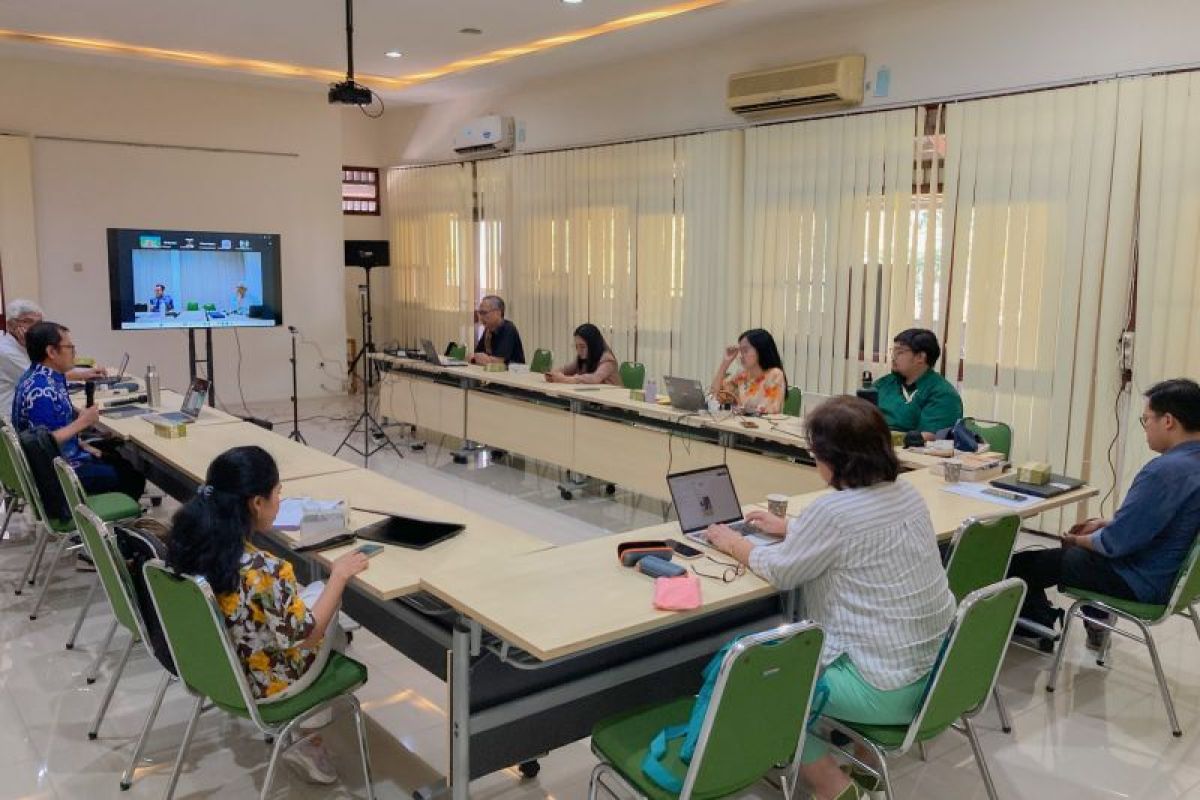
The Centre for Village and Regional Studies (PSDK) and the Institute for Research and Community Service (LPPM) at Soegijapranata Catholic University (Unika) in Semarang are urging the Indonesian House of Representatives (DPR RI) to immediately pass the Bill on Indigenous Peoples.
“This is one of the longest-running bills since the reform era and has been before the DPR since 2001,” said Andreas Pandiangan, Head of PSDK Unika Soegijapranata, in Semarang on Wednesday.
To voice this aspiration, Unika Soegijapranata has held a series of discussions to examine the substance and dynamics of deliberations on the draft Indigenous Peoples Bill dated 13 November 2025.
The lengthy journey of the bill, according to Dr Yustina Trihoni Nalesti Dewi, Head of LPPM Unika Soegijapranata, reflects a range of competing interests. These include sectoral authority, perspectives on indigenous peoples, and the extent to which indigenous communities position themselves and engage with the state during policy-making processes.
She also stressed the importance of examining how far the state places indigenous peoples within the law and state governance.
“We observe that recognition of indigenous peoples remains fragmented across various highly sectoral regulations. Protection is not always effective, covering territory, resources and indigenous institutions,” she said.
“On one hand, legislation is intended to recognise and protect indigenous peoples. On the other hand, their existence potentially remains dependent on administrative recognition mechanisms from the state,” she added.
Dr Eko Nurmardiansyah, a member of PSDK Unika Soegijapranata, explained that the government has now included the bill in the 2026 Priority National Legislation Programme (Prolegnas).
He argued that indigenous peoples should receive proper attention and standing within state governance.
“Indigenous peoples still face problems of recognition and protection of rights, especially when confronted with various interests in territorial and natural resource management,” he said.
He noted that there are 2,621 communities that are members of AMAN (the Indigenous Peoples Alliance of the Archipelago) and around 36.4 million hectares of indigenous territory that have been mapped.
According to him, the Indigenous Peoples Bill should be directed towards establishing a simpler and more administrative legal character.
“There is great hope that the bill can harmonise the various regulations that have so far governed indigenous peoples sectorally and potentially created overlaps,” he said.