
PRR Task Force: Safety of residents in Enang-enang area is a priority
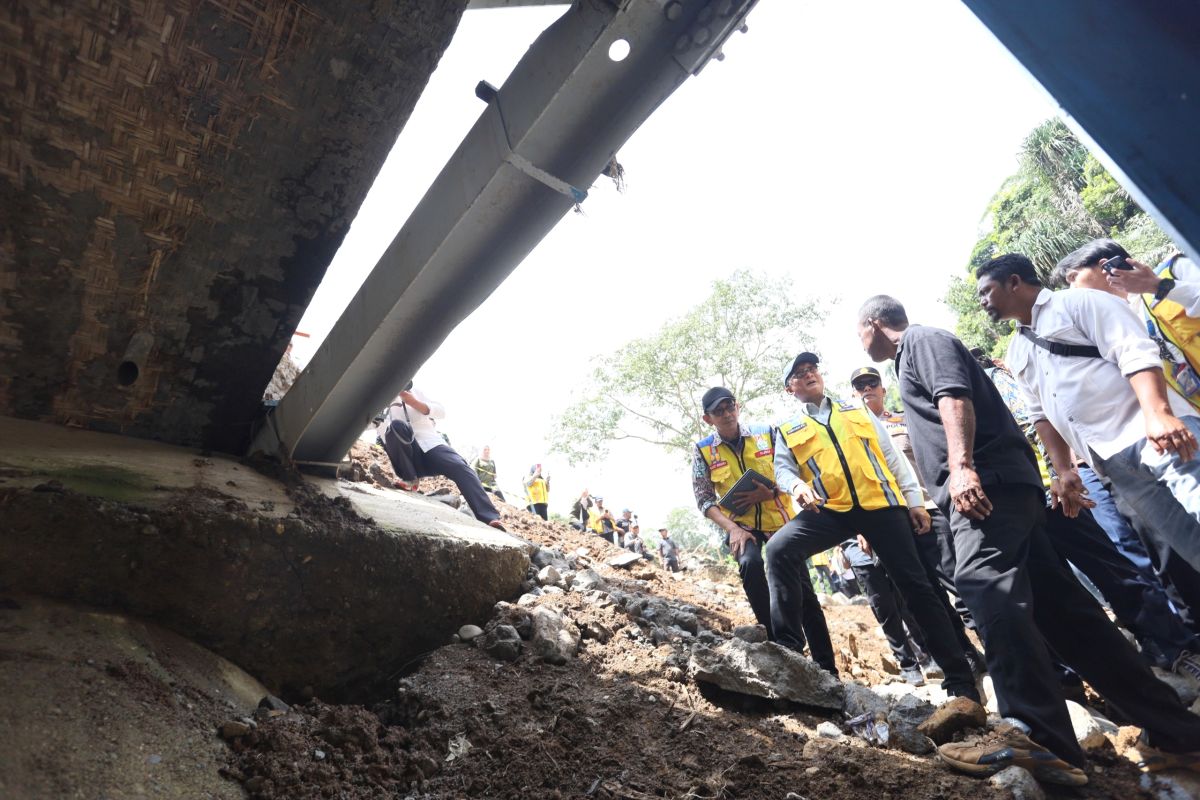
The Head of the Aceh Post-Disaster Rehabilitation and Reconstruction (PRR) Task Force, Safrizal ZA, has stressed that the safety of residents is a non-negotiable priority during the infrastructure recovery process in the Enang-Enang area, Bener Meriah Regency.
“We must not be negligent or compromise with risks while the mitigation process is underway,” Safrizal ZA stated in Banda Aceh on Friday.
He made the statement in response to field dynamics concerning the restriction of heavy vehicles on the Enang-enang bridge after it was repaired independently by local residents. He noted that the government has permitted the bridge to remain operational to help restore the economic pulse of the community. However, the temporary restriction on heavy vehicles is a tactical measure to save lives.
Safrizal further explained that the Aceh PRR Task Force has instructed for the immediate strengthening of the bridge structure as a tactical solution while awaiting the permanent construction by the Ministry of Public Works.
Regarding public information, Safrizal urged the Aceh National Road Implementation Agency (BPJN) and the Bener Meriah Regency Government to provide transparent and regular updates on the technical study stages, structural strengthening progress, and the detailed plan for the permanent bridge construction to the affected residents. This is intended to prevent misinformation.
“So far, residents have been seeking information by word of mouth because there is no official channel. This is what we must fix together. No recovery can succeed without trust and good communication,” he said.
Furthermore, Safrizal encouraged the utilisation of an alternative route that was previously opened independently by residents. If the route is declared technically safe after an assessment by the BPJN, he suggested that limited access be granted to light vehicles to support local economic mobility.
He added that the government must respond proportionally to every good grassroots initiative. “If the route is safe, use it. If there are areas the government cannot yet optimise, involve the local community in its management. That is more productive than leaving it neglected,” Safrizal concluded.