
PRR Task Force Ensures Vulnerable Groups' Rights Are Met After Sumatra Disasters
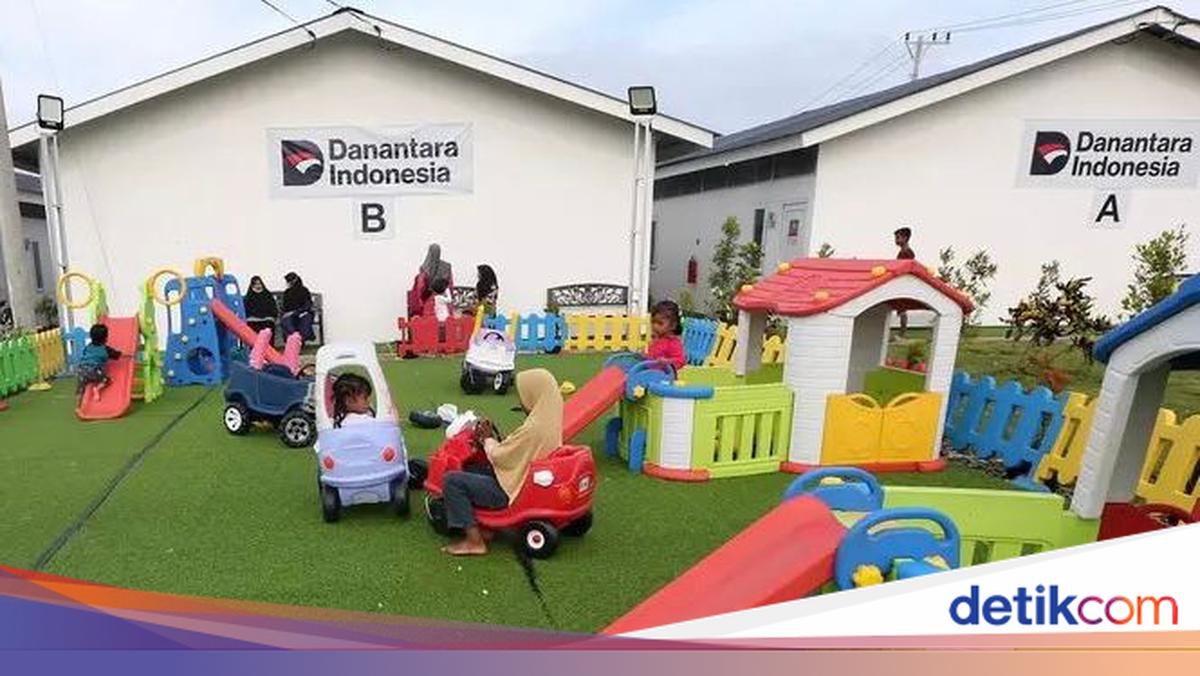
Post-disaster recovery efforts in Aceh, North Sumatra, and West Sumatra are not solely focused on infrastructure development and housing repairs, but also on ensuring that vulnerable groups receive adequate protection and services throughout the rehabilitation and reconstruction process. The Task Force for the Acceleration of Post-Disaster Rehabilitation and Reconstruction (Satgas PRR) for Sumatra is strengthening various social recovery programmes for children, women, the elderly, and persons with disabilities affected by the hydrometeorological disasters. This step is a crucial part of efforts to ensure no survivors are left behind during the recovery process.
Head of the Sumatra Post-Disaster PRR Task Force, Muhammad Tito Karnavian, stated that the government has prepared a rehabilitation and reconstruction budget of Rp100.1 trillion for the 2026-2028 period to accelerate recovery across various affected sectors, ranging from infrastructure, housing, and education to health, as well as strengthening the community’s economy and social fabric. ‘Once the budget is transferred, the speed of work by ministries and agencies will be very fast,’ Tito said in a written statement on Tuesday (23/6/2026), during a ministerial-level coordination meeting of the Task Force’s Steering Team.
The focus of the response is directed at fulfilling basic needs, strengthening social protection services, providing continuous mental health and psychosocial support, and carrying out social rehabilitation for newly emerged vulnerable groups resulting from the disaster. These groups include children who have lost their parents, newly disabled individuals, displaced elderly persons, and other vulnerable populations. Furthermore, the government is promoting the construction of basic facilities and infrastructure that are more inclusive, gender-responsive, and friendly to children, the elderly, and persons with disabilities. This approach is expected to create a safer and more comfortable environment for affected communities as they enter the permanent recovery phase.
Deputy Minister for Women’s Empowerment and Child Protection, Veronica Tan, stressed that the perspective of protecting vulnerable groups must be an inseparable part of every stage of rehabilitation and reconstruction. ‘For example, the construction of temporary shelters must pay attention to the specific needs of women,’ Veronica stated during a visit to West Sumatra. She emphasised that local governments and all stakeholders need to give special attention to women, children, the elderly, and persons with disabilities in every programme implementation in the field, so that the recovery process proceeds more fairly and inclusively. This commitment has now been integrated into the Sumatra Post-Disaster Rehabilitation and Reconstruction Master Plan for 2026-2028. The document contains strategies for fulfilling the basic rights of vulnerable groups while expanding inclusive and sustainable psychosocial services in the affected areas.