
Protests Spread Across Tripoli Over Power Cuts and Public Services
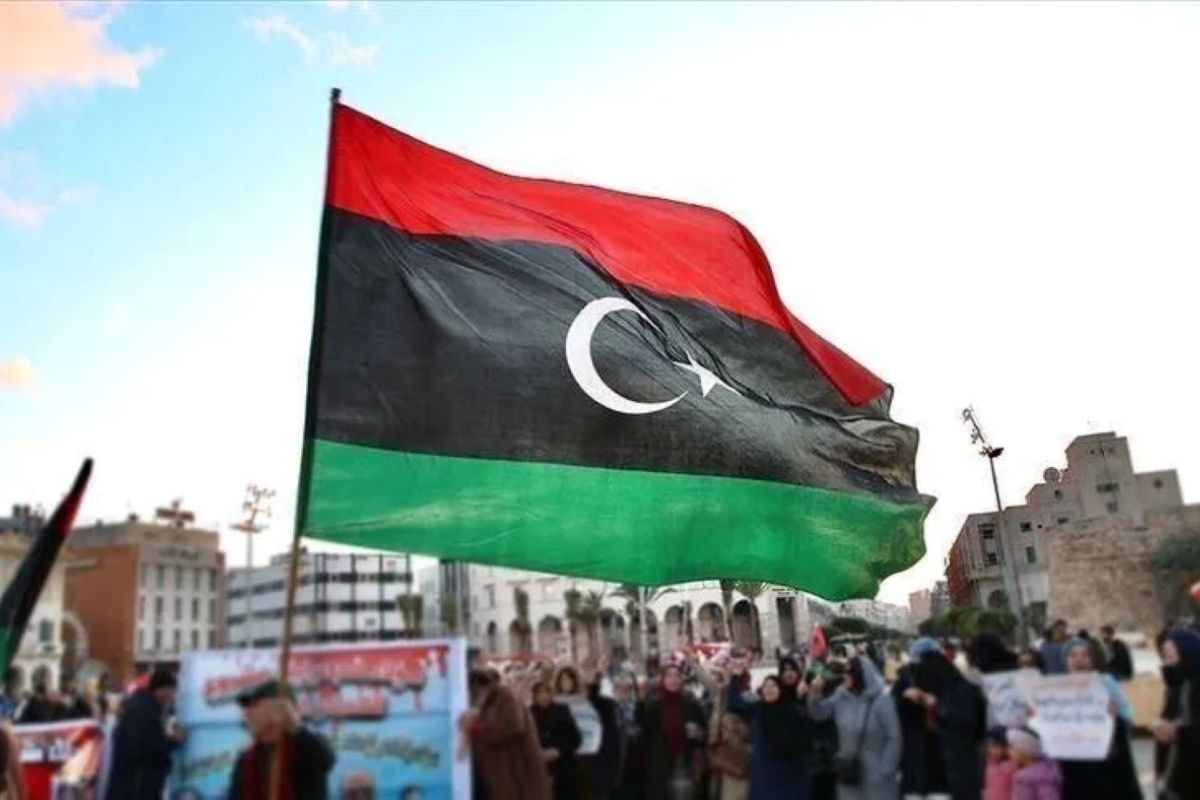
Protests spread across several areas of the Libyan capital, Tripoli, on Sunday night and into Monday, driven by worsening living conditions and failing public services. Demonstrators condemned the electricity crisis, repeated water supply cuts, a weak healthcare system, and high inflation, according to the state-run Libyan News Agency (LANA). LANA reported that protesters burned tyres in the districts of Tajoura, Souq al-Jumaa, Al-Sarraj, Janzour, Zawiyat al-Dahmani, and Al-Dhahra, and blocked a number of road junctions. They also set up barriers in front of several public institutions, including the Ministry of Foreign Affairs and the Libya National TV office in the Zawiyat al-Dahmani area. Barriers were likewise erected in front of the Audit Bureau building and the headquarters of the Telecommunications Holding Company in the Al-Nofliyeen district. The protesters described these actions as the beginning of a civil disobedience campaign. The protests coincided with an extreme heatwave that has gripped Libya for several days, causing power outages lasting more than 14 hours in some residential neighbourhoods. Demonstrators chanted slogans such as, ‘The people want justice against those who squandered the people’s money,’ ‘The people’s money is a trust in your hands,’ and ‘Electricity? Where did the billions go?’ The Government of National Unity (GNU), led by Abdul Hamid Dbeibeh, has been attempting to address the electricity crisis since 2021, with supply conditions having shown significant improvement between 2023 and 2025. Libya remains divided between two rival administrations: the internationally recognised Government of National Unity, led by Dbeibeh and based in Tripoli, which controls the west, and a government appointed by the House of Representatives in early 2022, now led by Osama Hammad and based in Benghazi, which controls the east and much of the south. For years, the United Nations Support Mission in Libya (UNSMIL) has sought to mediate a political settlement leading to elections, which many Libyans hope will end the political divisions and armed conflict that have persisted since the overthrow of Muammar Gaddafi in 2011.