
Protection of Papuan Civilians Displaced by Conflict Must Be Prioritised
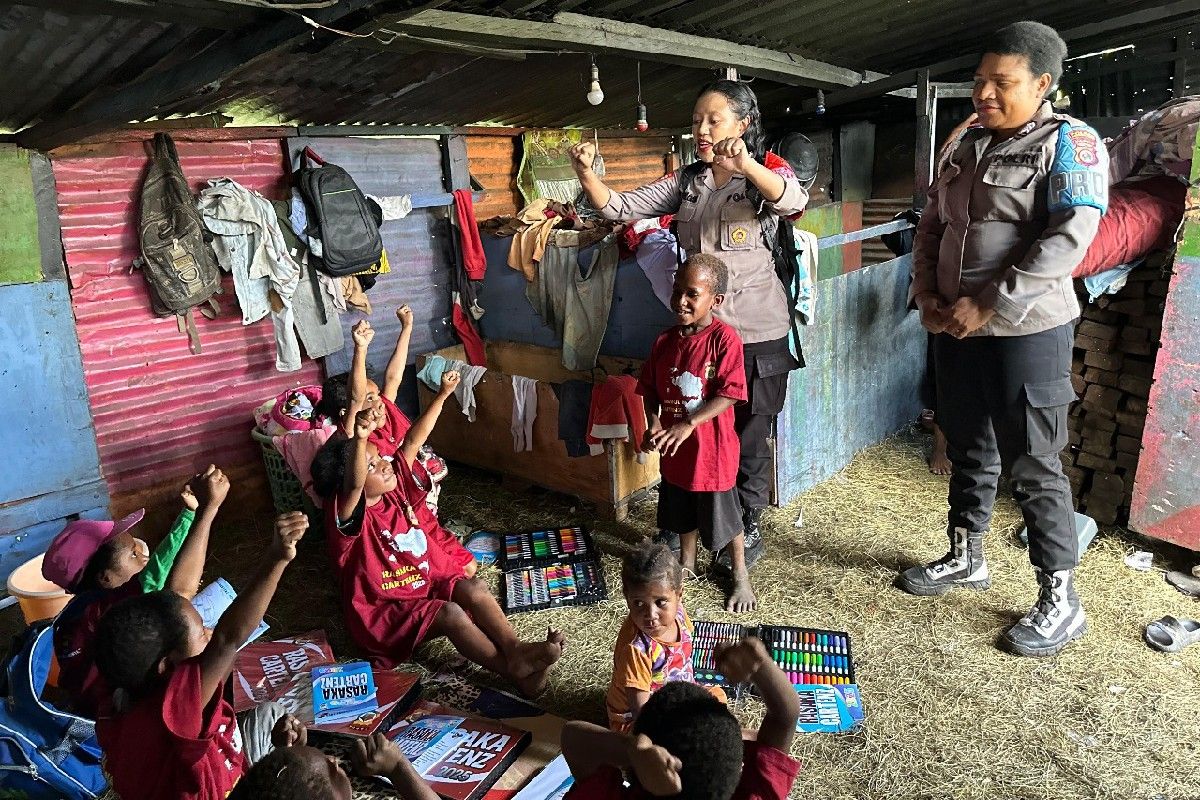
The issue of internally displaced persons in Papua resulting from conflict with armed separatist groups is considered to require primary attention in civilian protection efforts. Comprehensive handling is deemed important so that affected communities continue to obtain access to basic services while in displacement locations.
Executive Director of Merah Pusaka Stratejik Indonesia (MPSI), Noor Azhari, stated that his institution’s research findings show the impact of the conflict in Papua is not only related to security aspects but also affects the social life of the community, especially women, children, and the elderly who are forced to leave their homes to seek safer locations.
“Internally displaced persons in Papua are a humanitarian issue that requires thorough handling. When people must leave their hometowns for a considerable time, the impact is not only on security but also on education, health, economic activity, and the psychological condition of the community,” Noor said in a statement on Saturday (11/7).
He explained that, based on the findings of the MPSI research team, the displacement period in several areas of Papua generally lasts between three to 18 months, and in some cases exceeds two years. The groups most affected are women, children, and the elderly.
According to Noor, this condition indicates the need to strengthen civilian protection policies that not only focus on emergency response but also guarantee the continuity of basic services while the community is in displacement. “Therefore, handling displaced persons needs to be an inseparable part of civilian protection policies,” he said.
MPSI also noted that displacement impacts the disruption of children’s education, limited access to health services, and a decline in community economic activity due to hampered mobility. “In several study areas explored by MPSI, displacement takes place in very limited conditions, thus requiring humanitarian support and sustainable cross-institutional coordination,” he stated.
Noor assessed that the success of handling the conflict in Papua is not only measured by the creation of a conducive security situation but also by the ability of all stakeholders to ensure that civilians continue to receive protection and basic services. “The measure of success in handling Papua is also reflected in the restoration of the community’s sense of security, the return of children to school, the functioning of health services, and the availability of space for the community to resume normal social and economic activities,” he said.
To this end, MPSI encourages the strengthening of coordination between the central government, regional governments, security forces, traditional leaders, religious leaders, and civil society organisations in building a more integrated civilian protection system. In addition, Noor considers a more systematic mechanism for handling displaced persons necessary, ranging from data collection, fulfilment of basic needs, and psychosocial services, to assistance when the community returns to their hometowns.
He emphasised that an approach prioritising civilian protection will strengthen public trust while serving as a foundation for creating peace and sustainable development in Papua. “Protection of civilians is an important part of efforts to build a safe, peaceful, and prosperous Papua. When people feel protected and their rights are fulfilled, the space to build trust and strengthen social cohesion will increasingly open,” he concluded.