
Protecting the Coral Triangle: YKAN Launches Coastal Women's Empowerment Programme
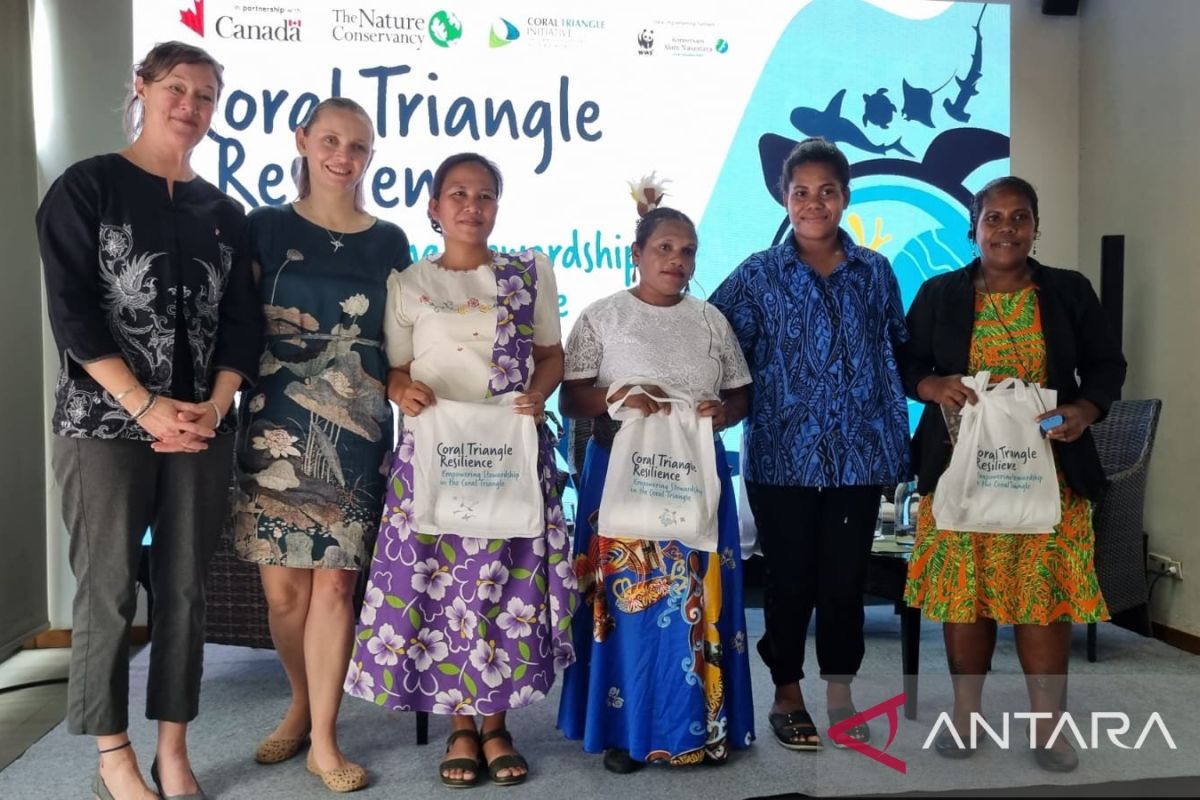
To safeguard and protect the ocean’s wealth, particularly the Coral Triangle area. Jakarta (ANTARA) - The Nature Conservancy Indonesia (YKAN), in collaboration with Global Affairs Canada, has launched a coastal women’s empowerment programme aimed at strengthening women’s roles in protecting the Coral Triangle, one of the world’s most important marine areas. “To safeguard and protect the ocean’s wealth, especially the Coral Triangle area,” said YKAN Executive Director Herlina Hartanto at the Project Launch Coral Triangle Resilience, Empowering Stewardship in the Coral Triangle event in Jakarta on Tuesday. The Coral Triangle is renowned as the global centre of marine biodiversity. This area encompasses around 76% of the world’s coral reef species and 37% of coral reef fish species. Coral reefs and coastal habitats in this region serve as sources of food, livelihoods, and cultural identity for millions of people. However, climate change, overexploitation, and unsustainable fishing practices continue to threaten their preservation. “Although the coral reefs in this location are very rich, there are many threats, from illegal fishing to climate change, which can endanger their sustainability,” said Herlina Hartanto. Through this programme, YKAN seeks to empower groups of mothers in coastal areas so that they can take on leadership roles in protecting marine and coastal ecosystems, while also strengthening their communities’ resilience. “Because mothers, especially in traditional societies, are rarely invited to discuss or involved in decision-making. So we are inviting them to speak up and express their opinions,” said Herlina Hartanto. In addition to Indonesia, the programme will be implemented in three other countries: the Philippines, Papua New Guinea, and the Solomon Islands. In Indonesia, the programme is being carried out in two strategic areas within the world’s Coral Triangle, namely the Bird’s Head Seascape in Raja Ampat, Southwest Papua Province, and the Teon, Nila, and Serua Islands in Central Maluku Regency, Maluku Province. Both areas have very high marine biodiversity but are increasingly threatened by the impacts of climate change and pressures on natural resources.