
Protecting MSMEs in the Digital Realm
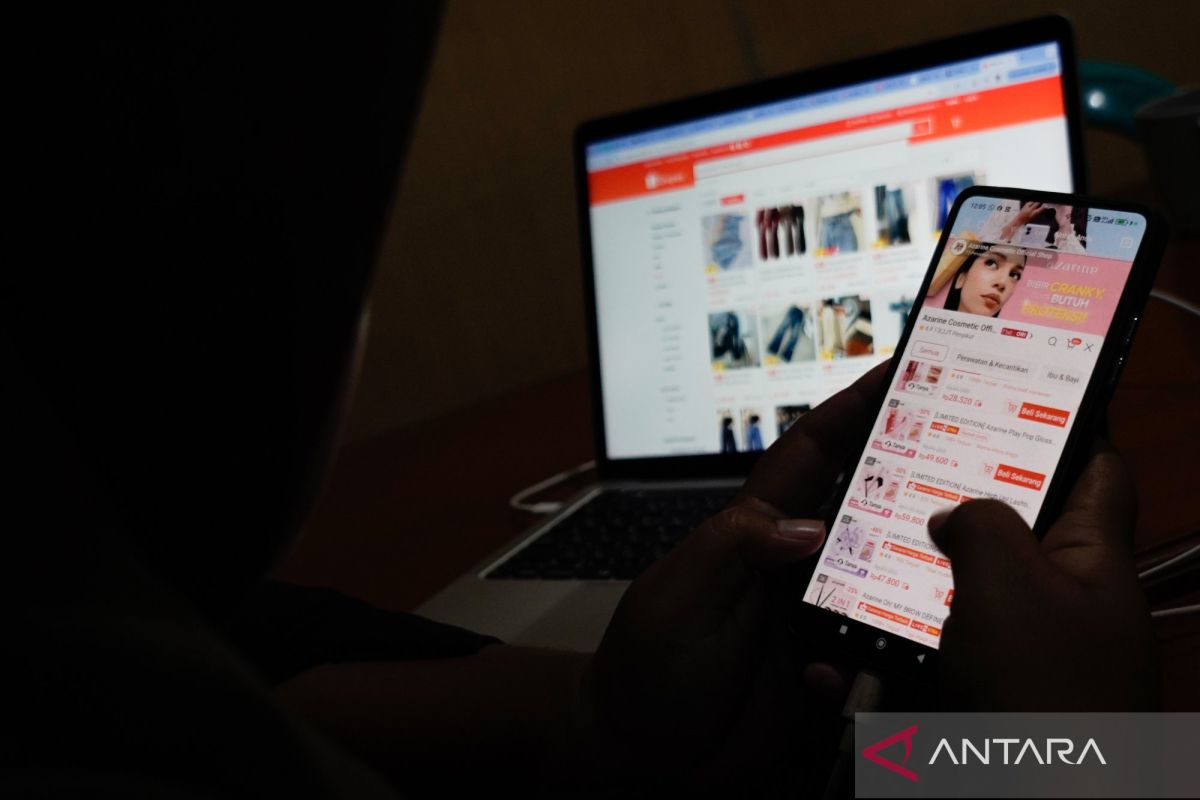
Behind the glittering screen of Indonesia’s digital transactions lies the story of millions of small traders who have made online marketplaces their main shopfront. Data from Statistics Indonesia (BPS) for 2024 reveals that of the total 4.4 million e-commerce businesses, 97.38 per cent are micro and small enterprises. This figure is not merely a statistic, but tangible evidence that the backbone of the nation’s digital economy is supported by small-scale business actors, marking a significant 15.3 per cent growth from the previous year.
Throughout the first half of 2026, the government issued a series of new regulations to organise the digital trade ecosystem. These rules are designed to maintain market mechanisms in general and, specifically, to safeguard the fate of the majority of the country’s entrepreneurs. The regulatory framework is anchored by Trade Minister Regulation No. 19 of 2026 on the Implementation of Trading Through Electronic Systems, which was signed by Minister of Trade Budi Santoso in early June and became effective on 8 June 2026. This regulation replaces the previous Permendag 31/2023 and expands protection across three pillars: products and sellers, digital platforms, and consumers.
Complementing this is the Minister of Cooperatives and SMEs Regulation No. 3 of 2026, which specifically governs partnership relations between platforms and micro and small business actors. A key provision is the obligation to transparently list all cost components within partnership agreements. These two regulations operate on different but interlocking layers; one organises the ecosystem at a macro level, while the other protects business relations at the micro level where MSMEs conduct their daily transactions.
Kurnia Ramadhana, Deputy for Partnership and Media Relations at the Government Communication Body (Bakom), stated in a press conference last week that the requirement for online traders to possess a Business Identification Number (NIB) is not a new administrative burden. Instead, the government aims to strengthen compliance with rules that were previously in place but poorly organised. Data from the Online Single Submission (OSS) system as of the end of February 2026 shows that of the 15.4 million NIBs issued, more than 96 per cent belong to micro-enterprises. Trade Minister Regulation 19/2026 requires marketplaces to provide facilities that directly connect traders to the OSS system, removing a significant hurdle for small traders who often struggle to manage licensing independently. Easier access to legal status subsequently opens doors for MSMEs to access various coaching and financing facilities that require formal business standing.
Transparency of costs is another crucial point. A recurring structural complaint from MSME sellers has been the unclear components of platform service fees, which peaked when a platform unilaterally raised various charges. The new Trade Minister Regulation addresses this by requiring platforms to clearly and consistently list all types of fees, from transaction and payment system costs to promotional features such as video content and affiliate marketing. For small business owners, this clarity is not a trivial administrative matter; it is the foundation for calculating margins accurately and formulating competitive pricing strategies.