
Protecting Indonesians from Recruitment as Mercenaries
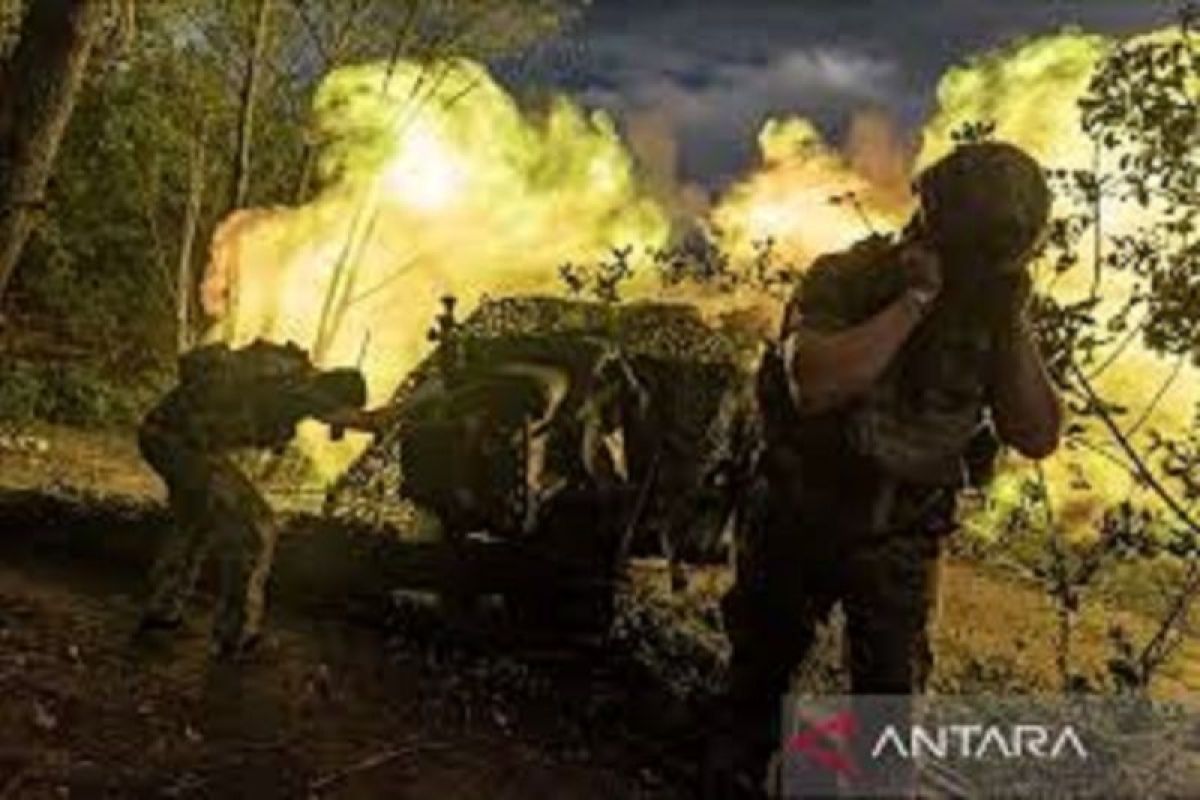
Jakarta (ANTARA) - The police’s designation of several suspects in a human-trafficking case involving the recruitment of Indonesian citizens to serve as Russian mercenaries points to an issue that extends beyond the presence of Indonesians on the battlefields of Ukraine.
The case reveals another dimension of armed conflict: war also creates a cross-border market for recruiting people, one that can exploit economic need and the vulnerability of jobseekers.
Coverage of the Russia-Ukraine war has so far focused largely on the fighting, weapons, economic sanctions and geopolitical rivalry. But a protracted war also creates substantial demand for personnel. Recruiting foreign nationals is one way to bolster the workforce for military operations, including through job offers that initially appear unrelated to combat.
This is where the problem becomes serious. Offers of work as drivers, administrative staff, logistics workers, cooks or security guards can provide an entry point into military involvement. For jobseekers, such offers may look like an opportunity to earn a better income. But when details of the work are concealed, contracts are not understood, or a person’s freedom is restricted after arriving in the destination country, an employment relationship can become exploitative.
The global labour market
In a September 2026 report, Amnesty International documented patterns of foreign nationals being recruited into Russia’s armed forces through promises of civilian jobs, offers of high salaries and the prospect of obtaining citizenship. The research included testimony from people from several countries, including Sri Lanka, Brazil, Colombia and South Africa. Some said they had been promised non-military work but were later sent to the front line.
A January 2026 report by the European Union Agency for Asylum also noted the use of financial incentives, recruitment through employment centres, and deceptive practices and indirect pressure in the recruitment of Russian military personnel. These findings show that military recruitment does not always take place through channels that openly state its military purpose from the outset.
War can therefore bring together two unequal sets of interests. On one side, those seeking personnel try to meet the staffing needs of ongoing military operations. On the other, people from countries with limited employment opportunities may see work abroad as a way to improve their lives. Unequal access to information and protection, as well as an imbalance in bargaining power, leave people vulnerable to exploitation by intermediaries.
The issue is not simply whether someone is willing to work in a country at war. What needs to be examined is how that consent was obtained, what information was provided, and whether the person was genuinely free to refuse or leave the job.
This is where the boundary between labour migration and human exploitation matters. Not every foreign national who joins an armed force is a victim of human trafficking. Some may knowingly choose military service for economic, ideological or personal reasons. But consent cannot be considered valid if it was obtained through deception or threats, or by exploiting a person’s vulnerability.
The term “mercenary” should therefore not be used indiscriminately to describe every foreign national who joins another country’s military. Under international law, mercenary status has specific criteria, including those set out in Protocol I Additional to the Geneva Conventions.
Risks
For Indonesia, the case shows that risks to citizens’ protection can emerge long before someone arrives overseas. In recruitment cases of this kind, the problem may begin when a person receives a job offer on social media, communicates with an intermediary and signs documents they do not fully understand.
In other words, war has reached far beyond the battlefield. It is present in job advertisements, digital conversations, intermediary networks and promises of income. People who have never encountered armed conflict may become part of the recruitment chain without understanding the actual risks.
As a result, handling such cases cannot rely on diplomacy alone. The state needs to understand how recruitment networks operate, who serves as a link, how payments flow and which routes are used to send prospective workers abroad.
Investigations should also examine possible links between recruiters in Indonesia and parties overseas. International law-enforcement cooperation is needed to trace recruiters’ identities, financial flows, travel documents and those who profit from the recruitment process.
This requires coordinated policies involving the police, the Ministry of Foreign Affairs, the ministry responsible for protecting migrant workers, immigration authorities and relevant agencies. Oversight of overseas job offers should also extend to digital platforms, particularly when advertisements do not name a verifiable company, clearly describe the work or provide a contract that prospective workers can understand.
Protecting citizens
The recruitment of Indonesians for foreign military purposes should broaden the way Indonesia understands the protection of its citizens. The issue is not only how to rescue Indonesians from battlefields, but also how to prevent people from entering networks that connect the labour market, military interests and human exploitation.
Indonesia has an interest in ensuring that its workers’ mobility does not become a source of manpower for armed conflicts through manipulative recruitment practices. What must be prevented is the exploitation of economic need and information imbalances to put people in situations that endanger their safety and freedom.
Source: jawawa.id (https://jawawa.id/newsitem/protecting-indonesians-from-recruitment-as-mercenaries-1793786096)
Originally published by Antara (Indonesian) (https://www.antaranews.com/berita/5831379/melindungi-wni-dari-perekrutan-tentara-bayaran), translated from Indonesian