
Protecting Children in Digital Spaces Through PP TUNAS
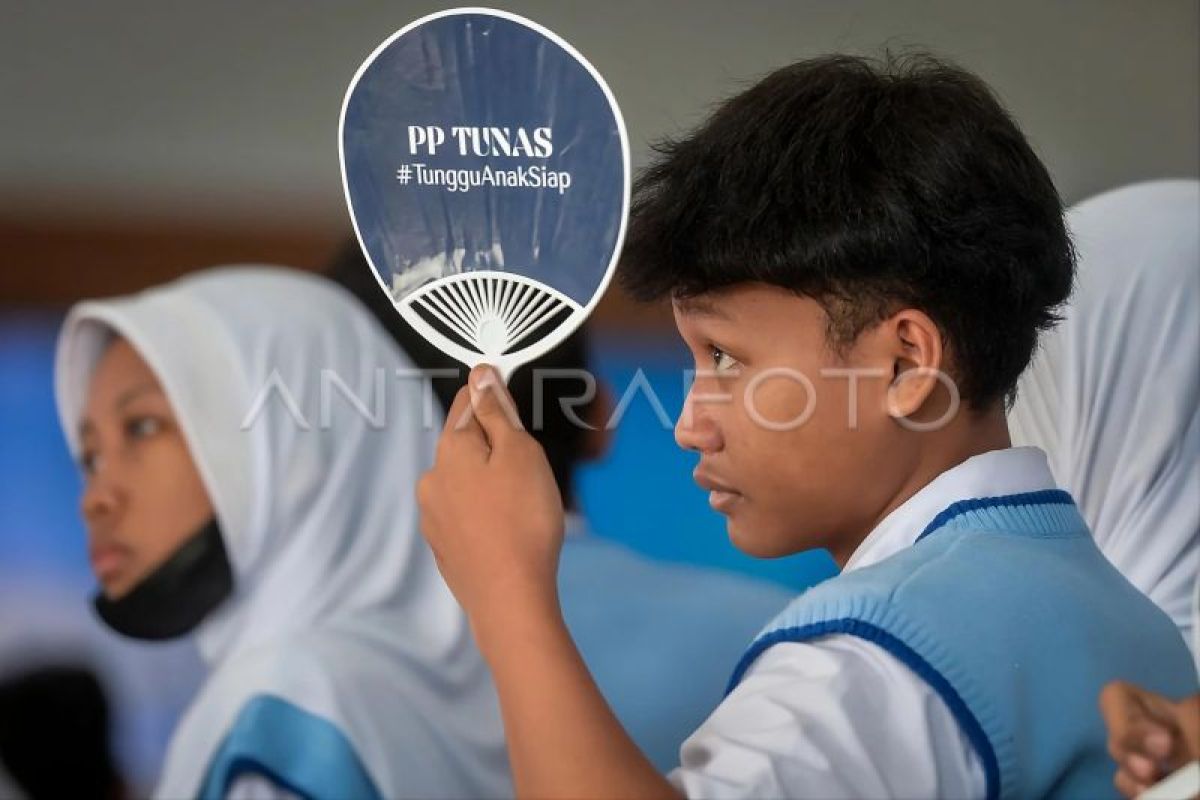
Jakarta (ANTARA) – Protecting children in digital spaces is a key agenda during the second year of President Prabowo Subianto and Vice-President Gibran Rakabuming Raka’s administration.
Through Government Regulation No. 17 of 2025 on the Governance of Electronic Systems for Child Protection (PP TUNAS), the government is seeking to create a safer digital ecosystem by strengthening platforms’ responsibility to protect children from various online risks.
PP TUNAS marks a government move away from relying solely on parental supervision, encouraging electronic system operators (PSE) to strengthen governance and make their services more child-friendly.
The regulation aims to limit the risks of using digital platforms according to users’ ages, as well as the characteristics and risk levels of the services.
Strengthening collaboration
The commitment has been reinforced by Presidential Regulation No. 87 of 2025 on the Roadmap for Child Protection in the Online Realm.
Titi Eko Rahayu, deputy for special child protection at the Ministry of Women’s Empowerment and Child Protection, said the roadmap involves around 15 ministries and agencies, each carrying out its role in line with its respective responsibilities.
“Komdigi is the lead ministry for PP TUNAS, as it focuses more on PSE, or electronic system operators,” Titi said.
The Ministry of Women’s Empowerment and Child Protection coordinates implementation of the roadmap, while the Ministry of Communication and Digital Affairs (Komdigi) is among the implementing ministries with an important role in strengthening digital platform governance.
Co-operation across ministries and agencies is needed because threats to children in digital spaces are becoming increasingly complex.
The government considers the challenges and risks in digital spaces far more complicated and dangerous than those in the physical world.
Alongside stronger regulations, the government is also promoting widespread campaigns to improve public understanding of child protection in digital spaces.
In its review of the first six months of PP TUNAS implementation, Komdigi reported on platforms’ compliance and the introduction of child-protection measures.
The government is urging electronic system operators to adjust their services, including by strengthening safety mechanisms and setting access controls based on age.
This is part of an effort to ensure that responsibility for protecting children does not fall solely on families.
Minister of Communication and Digital Affairs Meutya Hafid noted that the implementation of PP TUNAS also faces new challenges as artificial intelligence (AI) develops.