
Prospective Judge Sudiyo Urges Revision of Indonesia's Anti-Corruption Law
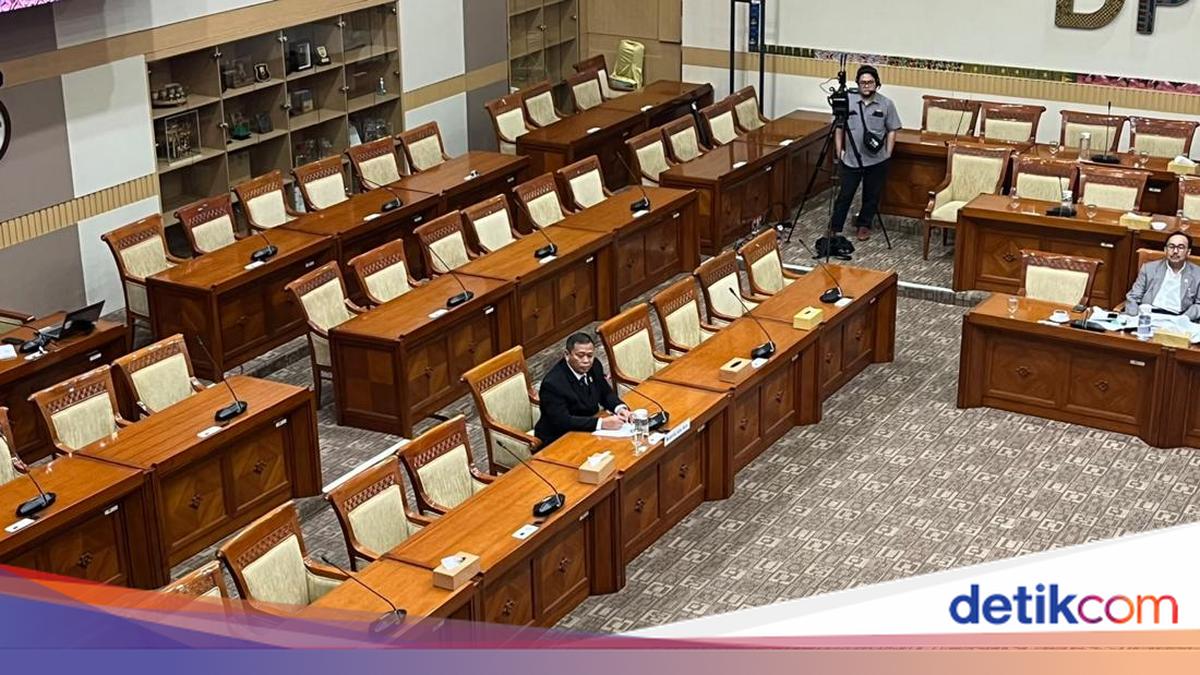
Prospective ad hoc corruption judge Sudiyo has urged for the revision of Indonesia’s anti-corruption regulations, arguing that the existing legal framework must be updated to keep pace with the increasingly complex nature of graft. He made the statement during a fit and proper test before the House of Representatives’ Commission III on Wednesday.
Sudiyo assessed that corruption has undergone a significant transformation. “Corruption today has transformed tremendously, developing rapidly by leveraging technology, law, and the global economy, both nationally and internationally,” he said. “Corruption is no longer simple and casuistic; it has evolved into systematic, organised, and cross-sectoral practices involving public officials, law enforcement officers, corporations, and private entities.”
He highlighted that Law Number 31 of 1999 on the Eradication of Criminal Acts of Corruption, as amended by Law Number 20 of 2001, is over 25 years old and requires updating. “This legal product is quite old, more than 25 years, and I believe it needs to be renewed to respond to increasingly complex and cross-border crimes,” he stated.
According to Sudiyo, a revision of the Corruption Law is also necessary to broaden the scope of admissible evidence, particularly in light of the proliferation of digital and electronic transactions linked to corruption. He further argued that anti-corruption regulations must be aligned with the new National Criminal Code and the Criminal Procedure Code to prevent conflicting norms and ensure legal certainty.
Sudiyo also explained that corruption eradication should not solely focus on punishing perpetrators. He stressed that recovering stolen state assets must be a primary concern. “Asset recovery must be balanced and proportional,” he said. He added that principles such as ‘follow the money’ and focusing on the proceeds of crime, rather than just pursuing suspects, should be accommodated in the legal framework.
He noted that criminal law reform should be directed towards maximising the recovery of state losses, but cautioned that asset seizure and return must follow due process of law without violating rights. During the session, Commission III member Bimantoro Yuwono questioned how Sudiyo would maintain judicial independence amid intense public scrutiny and premature conclusions in high-profile corruption cases. Sudiyo responded by pledging to uphold independence while balancing the principles of legal certainty, justice, and utility, drawing on his experience in the military justice system where he maintained impartiality despite all parties belonging to the same institution.