
Prospective Hajj pilgrims receive additional protection against heat risks during Armuzna
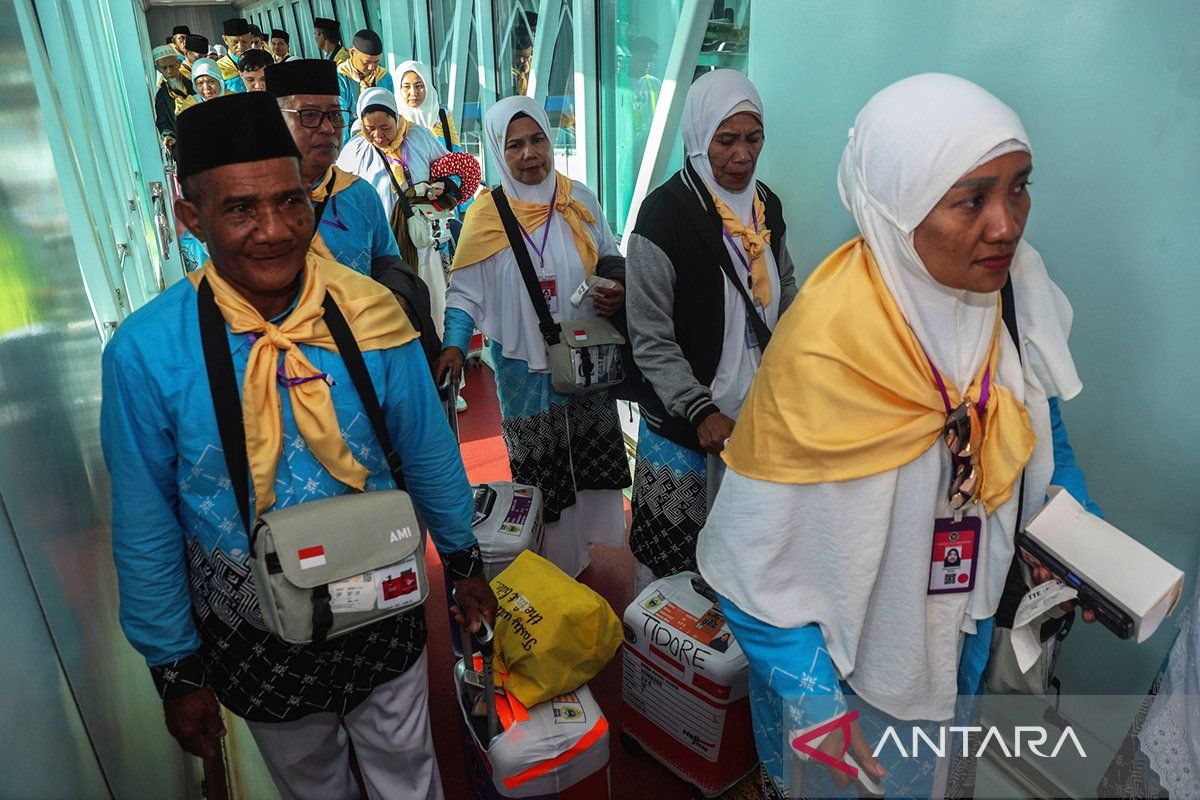
Mecca (ANTARA) - Saudi authorities are expanding the scope of insurance protection for prospective Hajj pilgrims during the peak Hajj rituals in Arafah, Muzdalifah, and Mina (Armuzna), now including coverage for illnesses caused by extreme hot weather.
Head of the Health Section for the Mecca Working Area of the Saudi Hajj Organising Officers (PPIH) Edi Supriyatna in Mecca on Thursday explained that the changes to the health insurance clause have been communicated by local authorities to the Ministry of Hajj and Umrah (Kemenhaj).
“Specifically from 8 to 13 Dhu al-Hijjah, or during the peak Hajj period, Hajj pilgrims can use insurance if they experience heat cramps, heat exhaustion, and heat stroke,” said Edi.
The three categories of health disorders included in the new clause are heat cramps, or painful muscle cramps due to loss of fluids and electrolytes. Then heat exhaustion, characterised by extreme fatigue, nausea, and rapid heartbeat due to dehydration in high temperatures.
In response to the weather challenges in the Holy Land, PPIH urges pilgrims to prepare themselves and maintain hydration patterns. Pilgrims are advised to drink at least 200 millilitres of water every hour slowly, namely four sips every 10 minutes, to prevent dehydration as well as excessive toilet frequency.
“Drinking is mandatory. In addition, pilgrims need to prepare supportive tools such as fans, water sprays, or cloths that can be wetted to alleviate the heat,” said Edi.
With the expansion of insurance protection and pilgrims’ physical readiness, the risk of fatalities due to extreme weather during the peak Hajj procession in Arafah, Muzdalifah, and Mina is expected to be minimised.
Nevertheless, the government is providing the Indonesian Hajj Health Clinic (KKHI) for the Mecca Working Area (Daker) during the 2026 Hajj season, featuring a new service system conceptualised as an Urgent Care Centre (UCC) operating 24 hours a day.
He explained that in the implementation of the UCC service, patient handling is strictly divided based on the level of emergency. Patients with severe cases (level 1–2) will be directly referred to Saudi government hospitals, moderate cases (level 3) handled at KKHI facilities, while minor cases (level 4–5) managed by cluster teams at satellite health posts.
To support the smooth operation of the 24-hour service, 122 health personnel have been prepared. This number consists of 54 officers at KKHI Mecca and 68 officers distributed across 10 sectors. KKHI is also equipped with supporting facilities such as radiology and laboratory, which are not available at the sector health post level.