
Prosecutors seek 4.5 years’ imprisonment for three defendants in Rp4.7 billion state-owned bank corruption case
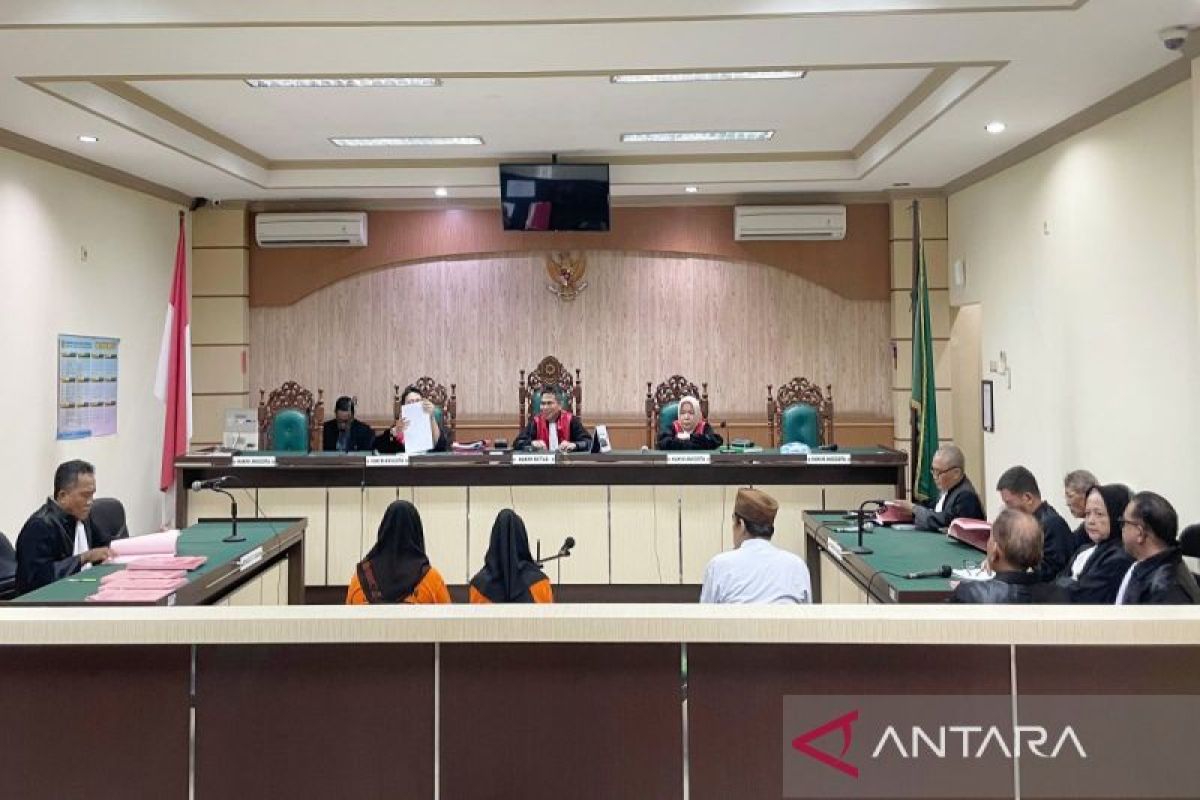
Banjarmasin (ANTARA) – Prosecutors have demanded a prison sentence of 4.5 years for three defendants in a case of alleged corruption at a state-owned bank, resulting in a loss to the state of Rp4.7 billion, in a session at the Banjarmasin District Court for Corruption (Tipikor) on Friday. In addition to the custodial sentence, the three defendants — M Madiyana Gandawijaya, Rabiatul Adawiyah and Khairunisa — were also fined Rp100 million and faced an additional penalty in the form of restitution payments, said Prosecutor Syamsul Arifin, speaking to reporters after the hearing.
In their charging note, the prosecutors concluded that the three defendants unlawfully committed acts of corruption in the form of “fraud” (deception or cheating) involving fictitious credit, thereby causing losses to state finances of more than Rp4.7 billion. According to the prosecutors, based on the facts disclosed at the trial, the defendants were proven to have violated Article 3 in conjunction with Article 18 of the Anti-Corruption Act in conjunction with Article 55 paragraph (1) 1 of the Indonesian Penal Code as stated in the principal indictment subsidiarily.
For the restitution, the defendants are ordered to pay differing amounts. For Gandawijaya, Rp2.1 billion or more; for Rabiatul Adawiyah, Rp1.4 billion or more; and for Khairunisa, Rp1.2 billion or more.
If not paid after one month of the final decision, the assets will be seized, and if still insufficient, a prison term of two years and three months will be imposed.
Previously, Gandawijaya, Rabiatul Adawiyah and Khairunisa were named as defendants in a corruption case involving fictitious credit fraud at their workplaces from 2021 to 2023. The indictment revealed they conspired to create fictitious loans. Investigations found at least more than 190 account data that were manipulated. The modus operandi varied, from accounts created through loan brokerage networks, to entering data for debtors who had already died, including other forms of fictitious credit.