
Proposed Tar and Nicotine Limits Could Devastate Indonesian Tobacco Farming
The livelihoods of Indonesian tobacco farmers are under threat due to the implementation of Government Regulation (PP) No. 28 of 2024, particularly the proposed limits on tar and nicotine content. The draft rules suggest a maximum tar level of 10 milligrams and a maximum nicotine level of 1 milligram for all tobacco products.
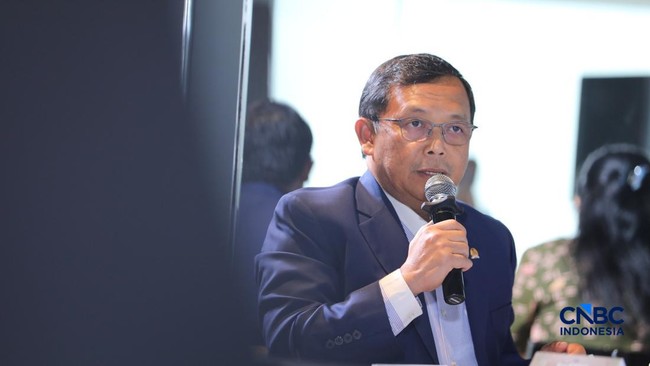
Member of the House of Representatives (DPR RI) Commission VI, Herman Khaeron, stated that the regulation should not be drafted in a sectoral manner, as it risks crippling the upstream sector. He urged that policies aimed at controlling consumption must not destroy the industry and the farmers who depend on the commodity.
Yudi Wahyudi, Head of the Seasonal Crops Group at the Ministry of Agriculture, explained that the natural characteristics of local tobacco are incompatible with the proposed limits. Indonesian varieties, such as Temanggung tobacco, naturally contain high nicotine levels ranging from 5% to 8%, or approximately 3 mg to 8 mg per stick. Forcing a limit of 1 mg would make it impossible for local varieties to meet legal standards, threatening the absorption of local tobacco by factories and potentially leading to a price collapse.
Wahyudi highlighted that the impact would cascade from the upstream sector, with factories likely to reject local tobacco that does not meet the new standards, resulting in massive economic losses for the 2.5 million tobacco farmers whose families depend on the crop. He noted that Indonesia’s volcanic soil and high tropical sun exposure naturally stimulate tobacco plants to produce high levels of nicotine and tar as a defense mechanism.
Furthermore, the proposed standard is seen as adopting foreign regulations, such as European standards, which are suited to different soil characteristics and plant varieties. This raises the risk of increased tobacco imports if local leaves cannot be absorbed. Wahyudi emphasized that the government’s approach to educating farmers about the tightening regulations must be highly persuasive and collaborative, providing concrete solutions rather than just prohibitions.
He suggested utilizing the Tobacco Products Excise Revenue Sharing Fund (DBHCHT) to finance upstream research, post-harvest equipment, and farmer field schools. Additionally, he proposed diversifying into non-cigarette products, noting that high-nicotine local tobacco leaves contain active compounds that could be developed into botanical pesticides, organic fertilizers, bio-oil, or raw materials for medical and pharmaceutical extraction.
Source: jawawa.id (https://jawawa.id/newsitem/proposed-tar-and-nicotine-limits-could-devastate-indonesian-tobacco-farming-1785898259)
Originally published by CNBC Indonesia (https://www.cnbcindonesia.com/news/20260804174807-4-756559/usulan-batas-maksimal-tar-nikotin-pertanian-tembakau-bisa-lumpuh), translated from Indonesian