
Proposed New Excise Tax Layer for Cigarettes Risks Increasing Complexity and Corruption
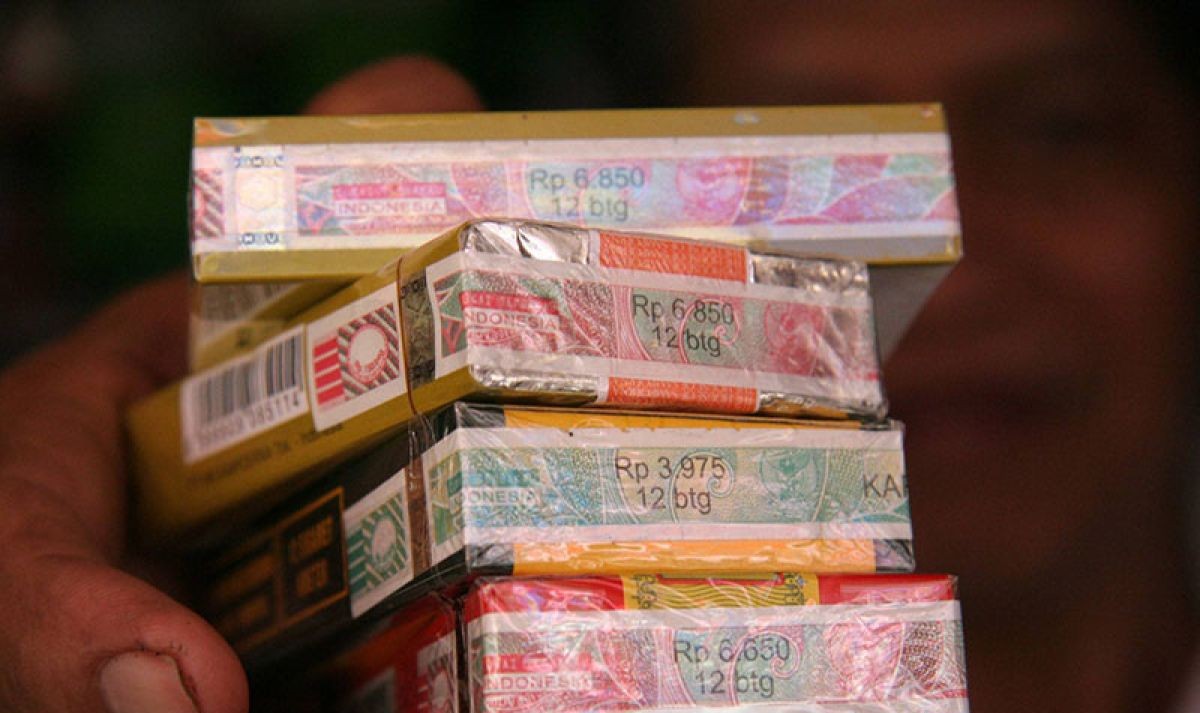
The proposal to add a new layer or bracket to the cigarette excise tariff structure is facing renewed opposition, with critics arguing it is not a solution to the circulation of illegal cigarettes. The policy is being considered at a time when the phenomenon of downtrading, where consumers switch to cheaper products, is already occurring.
Vid Adrison, a senior researcher at the University of Indonesia’s Institute for Economic and Social Research (LPEM FEB UI), stated that the issue of illegal cigarettes cannot be resolved simply by altering the tariff structure or adding new brackets. He argued that the existence of illegal cigarettes is more closely linked to the compliance levels of business actors and the effectiveness of supervision and law enforcement. Adding a new tariff layer, he said, risks increasing the complexity of the excise system without significantly impacting the eradication of illegal products.
Adrison emphasised that the government must maintain consumption control as the primary objective when designing excise policy. He noted that excise is fundamentally an instrument to control the consumption of goods with negative health impacts, with state revenue being a secondary consequence. “When cigarette prices become cheaper due to a lower tariff space, consumers will be more encouraged to downtrade. As a result, consumption increases, while state revenue potentially decreases,” he said.
He further stressed that any changes to the tariff structure or production limits must be carefully evaluated. This evaluation should consider the consequences for state revenue, business competition, and the effectiveness of consumption control. Adrison cautioned that excise policy should not be designed solely to accommodate industry interests, as this could produce outcomes contrary to the goal of reducing smoking.
Separately, Indonesia Corruption Watch (ICW) researcher Seira Tamara warned that adding a new excise layer could create additional complexity, potentially opening up space for negotiations and corrupt practices. The proposal has also drawn criticism from labour groups and industry players, who are already facing challenges amid increasing downtrading and the prevalence of illegal cigarettes.