
Proposed Criminal Penalties and Rp1 Billion Fine for SNBT Cheating
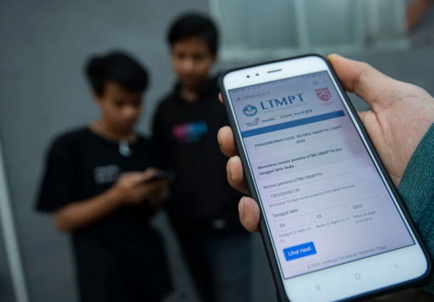
Cheating practices in the National Selection Based on Tests (SNBT), which recur annually, have prompted calls for stricter penalties. Administrative sanctions such as revoking admission status are now deemed insufficient to deter perpetrators and syndicates.
Education policy expert from the University of Education Indonesia (UPI), Cecep Darmawan, stressed that the government needs to take university entrance cheating cases to the criminal justice system. He stated that revoking admission is merely an initial administrative action, with many aspects of SNBT cheating meeting the criteria for criminal offences.
‘Revocation is just an administrative penalty. There should also be criminal penalties and, if necessary, civil penalties,’ Cecep told Media Indonesia on Monday (25 May).
Several actions highlighted could constitute criminal offences, including:
A key point raised by Cecep is the state’s financial loss. The SNBT process involves substantial national funds, so systematic cheating can be seen as damaging public finances.
‘If the state incurs losses, compensation could be sought—say, up to Rp1 billion. That would make people think twice,’ Cecep emphasised.
In addition to monetary fines, he proposed blacklisting offenders or banning them from entering public universities for a specified period to strengthen deterrence.
Cecep identified three main issues causing recurring SNBT cheating: inadequate monitoring systems, candidates’ integrity issues, and weak law enforcement. He believes syndicates are repeat offenders who continually update their tactics with advancing technology.
‘Syndicates are made up of repeat offenders; new members may join, but their methods remain largely the same,’ he said, adding that a cat-and-mouse game exists between exam supervisors and perpetrators using increasingly sophisticated technology.
- What penalties do SNBT cheaters currently face?
Currently, the main penalties are revocation of admission status and disqualification from the selection process.
- Why does the expert propose criminal penalties?
Because cheating often involves data falsification and organised syndicates, which exceed typical school or exam rule violations.
- Has the Rp1 billion fine been implemented?
No. It is a proposal from the education policy expert as compensation for state losses and to maximise deterrence.
According to him, the most common cheating pattern involves ‘joki’ (proxy test-takers) replacing candidates to complete exams. SNBT cheating, he said, stems from social pressures, extreme competitive culture, and disparities in education quality.