
Proposal to Import Second-hand Japanese Commuter Trains to Meet Passenger Demand
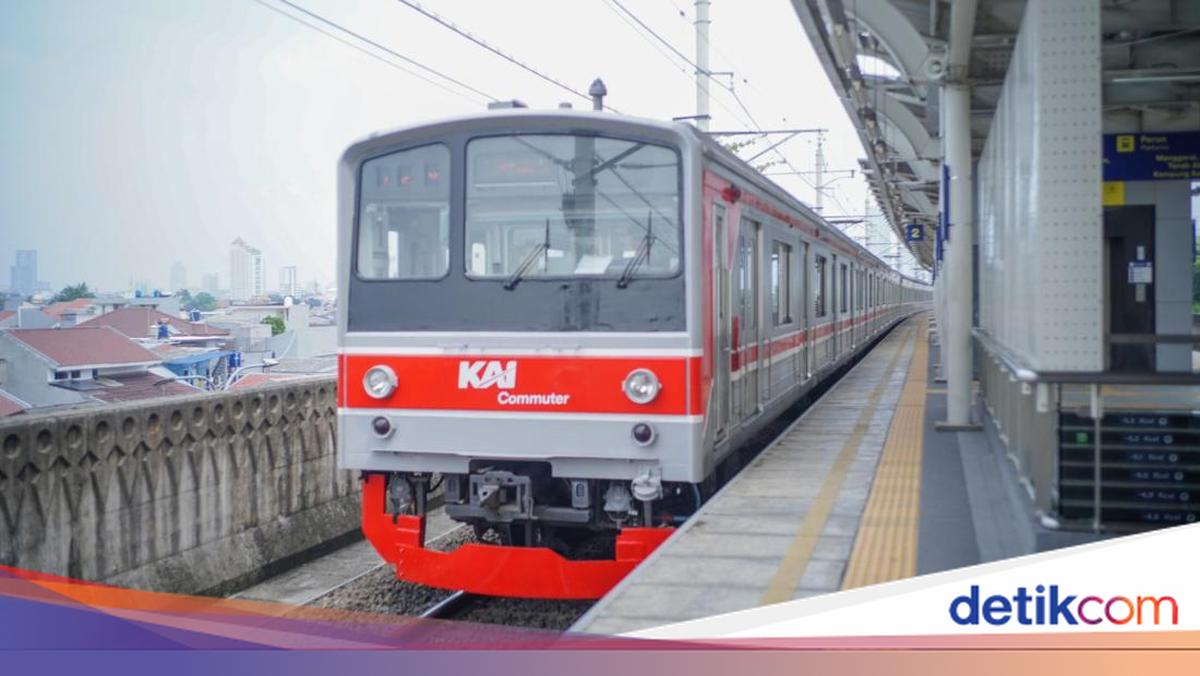
PT Kereta Api Indonesia (Persero), known as KAI, has proposed reintroducing the import of second-hand electric multiple unit (KRL) trains from abroad. The Indonesian House of Representatives (DPR) has requested that any imported trains be strictly ensured to be safe for operation.
KAI is considering this move as an emergency solution to mitigate the threat of a fleet crisis or shortage for the Greater Jakarta (Jabodetabek) commuter rail network during the 2026 to 2029 period. KAI’s President Director, Bobby Rasyidin, revealed that the current fleet has reached a critical age, with many units forced into retirement or decommissioning due to age and safety concerns.
“These Japanese trains will be 45 years old by 2028. Once our trainsets reach 45 years, we can no longer use them. Firstly, spare parts are no longer available. Secondly, the metal is beginning to suffer from fatigue,” Bobby stated during a meeting with Commission VI of the DPR in Jakarta on Monday (23/9/2026).
According to Bobby, KAI must replace at least 87 trainsets by 2031. Meanwhile, for 2026, KAI projects a shortage of up to 22 trainsets due to delivery delays and the necessity of decommissioning 13 older units.
On the other hand, the production capacity of the domestic industry, specifically PT INKA (Persero), is currently unable to meet this sudden surge in demand. Although PT INKA is being pushed through State Capital Injections (PMN) to increase capacity to 15-16 trainsets per year, this process requires time.
Therefore, Bobby views the option of importing refurbished second-hand KRLs as the most realistic way to ‘patch’ the fleet shortage quickly. “One of the proposals we will make is to patch the gap by importing trains that are not new, but are historically good and have undergone refurbishment, similar to aircraft,” Bobby explained.
Response from Commission VI of the DPR
Responding to the proposal, the Vice Chairman of Commission VI, Andre Rosiable, expressed support for KAI’s move through the meeting’s conclusions. “Meeting the capacity needs of railway transport, particularly the Jabodetabek KRL, by enhancing the local industry and importing integrated and sustainable non-new train sets,” Andre read.
However, Andre requested that synergy with PT INKA must be strengthened so that the domestic company can remain competitive. He stated that the procurement of non-new rolling stock should serve as a transitional solution while strengthening synergy with PT INKA by increasing its Technology Readiness Level (TRL) and Manufacturing Readiness Level (MRL) to level 9, ensuring the quality and competitiveness of the national industry.
DPR Demands Safe KRL Operations
The Head of the PKB Faction of Commission VI, Rivqy Abdul Halim, highlighted the plan by KAI to import second-hand KRLs. Rivqy demanded that any train sets brought to Indonesia must be safe and fit for operation.
“If the government decides to import KRLs, do not merely think about how quickly the trains can arrive. What must be ensured is whether the trains are truly safe, fit for operation, compatible with our infrastructure, and provide comfort to passengers,” Rivqy told reporters on Saturday (26/9).
Rivqy requested that the government pay close attention to safety aspects, technical feasibility, and compatibility with infrastructure and signalling systems. Nevertheless, he emphasised that imports must not weaken the national railway industry. “The solution is not just adding more trains. We must build a KRL transport ecosystem that has adequate capacity, is safe, comfortable, punctual, and capable of anticipating future passenger growth.”
Rivqy also noted that the number of Jabodetabek KRL passengers reached 1.1 million per day this year. He hopes for an increase in the fleet to accommodate passengers without compromising safety and security. “We see that the current condition of the KRL is extremely crowded, especially during morning and evening commutes. This is uncomfortable for the public. Therefore, we encourage an increase in the number of KRLs to reduce congestion. However, the addition of the fleet must be accompanied by an improvement in safety and passenger comfort standards.”
He expressed hope that KAI would find long-term solutions to address the growing passenger density. According to him, the Jabodetabek KRL has become the backbone of public mobility due to its relatively affordable cost. “This means the demand for rail-based mass transport continues to increase. Congestion cannot continue to be viewed as a consequence that the public must simply accept. The state must be present to ensure that passenger growth is followed by growth in service capacity,” he asserted.
Source: jawawa.id (https://jawawa.id/newsitem/proposal-to-import-second-hand-japanese-commuter-trains-to-meet-passenger-demand-1790470528)
Originally published by detikcom (https://news.detik.com/berita/d-8680848/usulan-impor-krl-bekas-jepang-demi-penuhi-kebutuhan-penumpang), translated from Indonesian