
Proposal for Fines on Lost e-KTPs Feared to Create Opportunities for Extortion
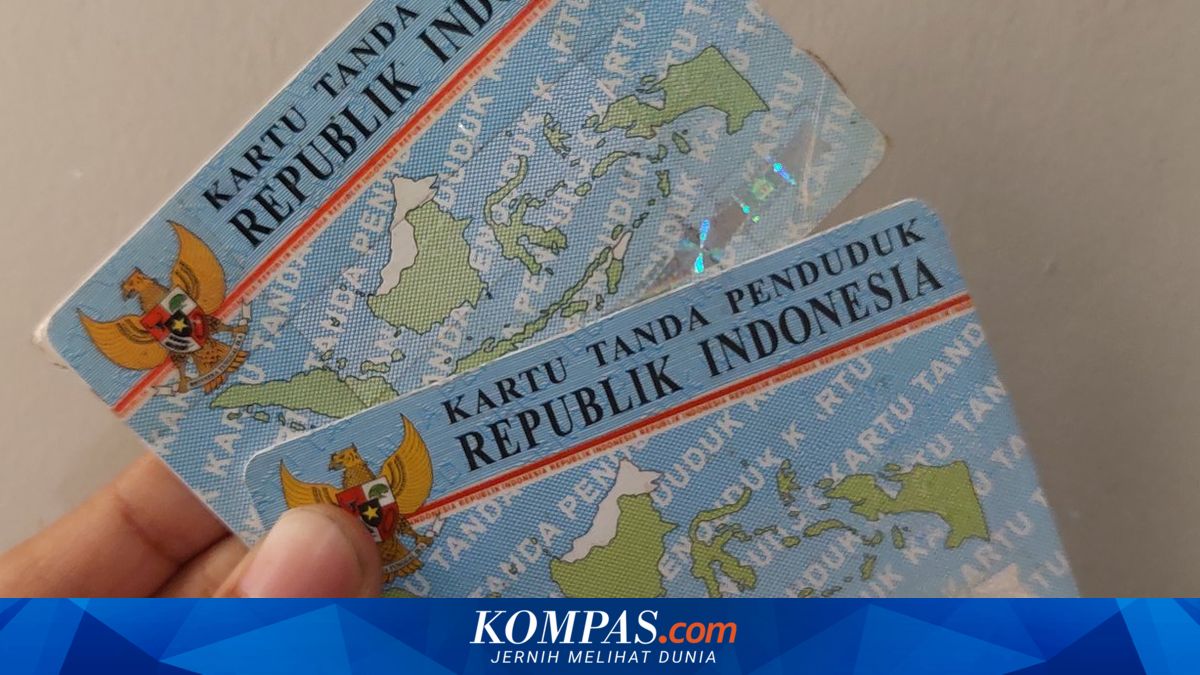
JAKARTA - A member of Commission II of the House of Representatives, Ali Ahmad, is concerned about the potential for illegal levies if fines are imposed on citizens who lose their electronic resident identity cards (e-KTPs). He fears the emergence of rogue elements who could exploit the implementation of these fines to engage in unauthorised transactions with citizens who have lost their e-KTPs. “This opportunity is very likely to occur, because citizens do not want the hassle of paying fines to the state treasury, and instead take shortcuts with rogue population affairs officials,” Ali stated in his comments on Thursday (23/4/2026). “The KTP is the gateway for citizens to obtain their basic rights. This fine policy should not become an obstacle for the public, especially the underprivileged, in accessing public services such as health or social assistance,” Ali added. He explained that not all citizens who lose their e-KTPs do so due to negligence. Many cases are caused by disasters, theft, or accidents. Therefore, the government must be able to distinguish between losses due to negligence and those due to misfortunes affecting the public. “If citizens who are victims of theft or disasters are still burdened with fines, this would certainly be very unfair and hurt the public’s sense of justice,” Ali emphasised. Instead, Ali encourages the government to accelerate the implementation of the Digital Population Identity (IKD) to reduce the costs of printing physical e-KTP blanks. “If digital identities are widespread and accepted across all banking sectors and public services, citizens will no longer need to worry about losing physical cards. This will be far more efficient for the state and easier for the public,” Ali said. According to Bima, the policy needs to be considered to encourage public responsibility in safeguarding population documents. “There are many citizens who are not very responsible about using or maintaining their KTP and other population identities. They lose them easily and so on, and making a new one is free,” Bima stated during a working meeting with Commission II of the House of Representatives on population administration oversight on Monday (20/4/2026). In addition to the fine proposal, Bima also outlined several points in the planned revision of Law Number 24 of 2013 on Population Administration (Adminduk). One of them is strengthening the Population Registration Number (NIK) as a single identity. The government is also proposing to strengthen the Digital Population Identity (IKD), provide a legal basis for the Child Identity Card (KIA), and change the term “disabled” to “disability”. “So if it is affirmed in the Law that Adminduk is a mandatory government affair related to basic services, then all regional governments will be more committed to budgeting and planning,” Bima said.