
Proposal for Cheap Cigarettes for the Poor Deemed Shameful
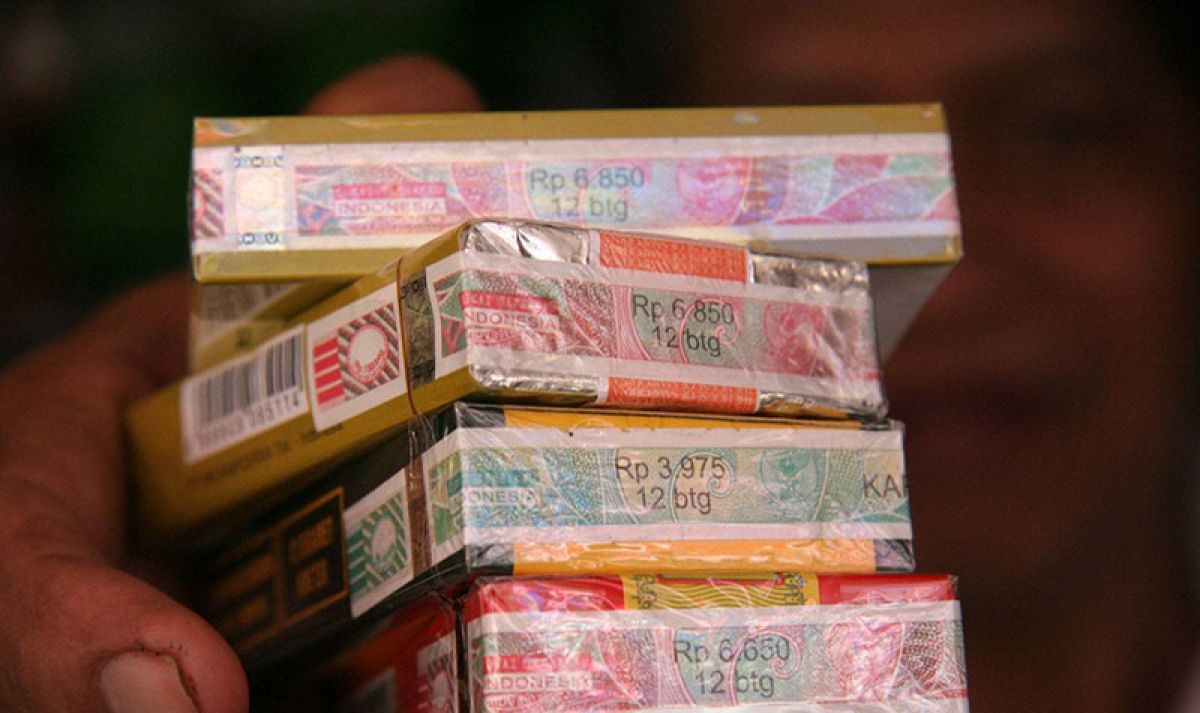
A proposal for the government to allow the cigarette industry to produce cheaper cigarettes for the poor has drawn criticism from a consumer protection activist. The idea is considered contrary to the purpose of excise duties, which are fundamentally intended to control the consumption of addictive products and protect the public from their negative impacts.
Tulus Abadi, Chairman of the Forum Konsumen Berdaya Indonesia, highlighted a statement by Andi Yuliani Paris, a member of House of Representatives Commission IX from the National Mandate Party faction, made during a working meeting with the Ministry of Finance. In the forum, Andi proposed that the government provide an opportunity for cigarette factories to produce more affordable cigarettes for low-income communities.
"That is the level and class of a PAN DPR member in understanding regulations and policy. It is already very clear that cigarettes are an addictive product subject to excise, whose consumption must indeed be restricted and controlled, especially for poor households," Tulus said in a statement on Thursday (18/6).
According to Tulus, data shows that poor households actually allocate a fairly large portion of their expenditure to buying cigarettes. Based on data from the Central Statistics Agency, poor households’ spending on cigarettes reaches around 10–11 per cent of total expenditure, higher than spending on side dishes, which is only around 3.5 per cent.
He stressed that the philosophy of imposing excise duties, as stipulated in Law Number 39 of 2007 on Excise, is to make the price of certain products more expensive so that their consumption can be controlled. Therefore, he argued, it is inappropriate to use purchasing power as a reason to provide cheaper cigarettes.
Tulus also assessed that the proposal could potentially send the wrong message to the public. According to him, low-income groups actually need greater protection from exposure to products that pose health risks.
"That statement is tantamount to encouraging acute poverty to remain perpetual, and ultimately they are easily fooled and deceived by leaders and tacky politicians," he said.
He added that policies to control cigarette consumption should be directed at reducing the economic and health burden on society, particularly vulnerable groups, rather than opening wider access to such addictive products.