
Prophet Muhammad's Birthday a Momentum to Emulate the Prophet's Morals in Filling Independence
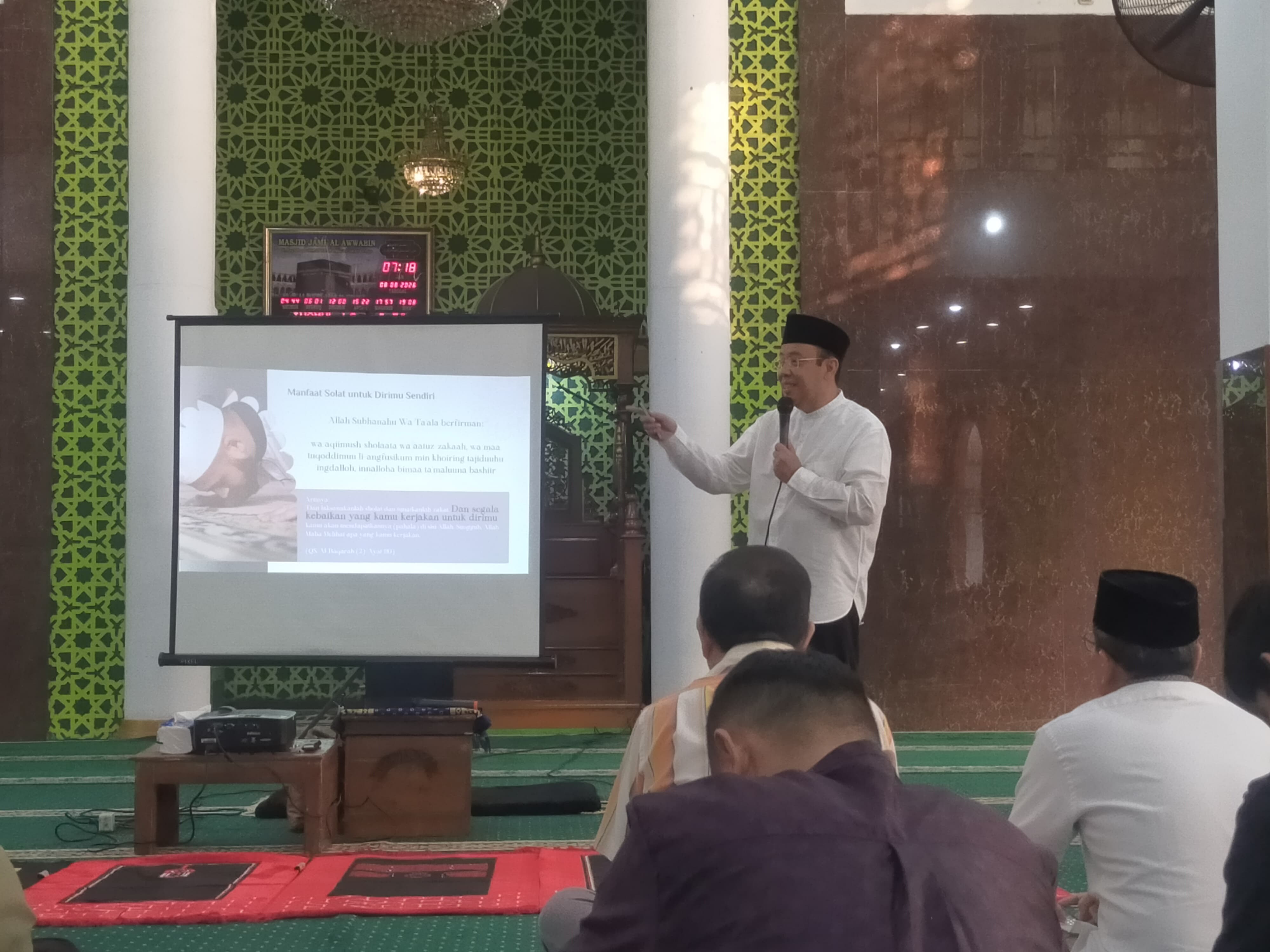
The commemoration of the Prophet Muhammad’s birthday, coinciding with the atmosphere of Indonesia’s independence celebrations, is seen as a momentum to reflect on the meaning of struggle, independence, and the Prophet’s example in national life.
Achmad Tjachja Nugraha, an adviser to the Central Board of the Indonesian Islamic Union (PP PUI), stated on Tuesday (25/8) that the Prophet’s birthday should not stop at ceremonial activities. The commemoration must become a momentum to improve morals while strengthening the spirit of nationalism. The Prophet Muhammad provided an example in building society through honesty, trustworthiness, brotherhood, justice, compassion, and concern for others and the environment.
“We must interpret the Prophet’s birthday as a momentum to return to the Prophet’s example. Not only remembering his birth, but how his morals, struggle, and leadership are present in our daily lives,” he said.
Achmad assessed that this message is increasingly relevant when linked to the momentum of independence. The struggle of the heroes, he continued, is not enough to be remembered only through ceremonies and ceremonial activities, but must be realised through development oriented towards character and moral formation.
“If we want to fill independence properly, one of the greatest assets is morals. Independence without morals can lose direction. Power without trust can give birth to injustice. Knowledge without morals can also be misused,” he explained.
Achmad reminded that the Prophet Muhammad’s four attributes—siddiq, amanah, tabligh, and fathanah—need to be translated into modern life. Siddiq means upholding honesty, amanah means being trustworthy and responsible. Tabligh means conveying truth and goodness, while fathanah reflects intelligence accompanied by wisdom.
“These four attributes should not only be memorised. They must become character. Honesty must become a culture, trustworthiness must become a principle in carrying out duties, intelligence must be used for the common good, and every goodness must be conveyed to society,” he stressed.
Beyond the question of morals, Achmad emphasised the importance of the Prophet Muhammad’s example in maintaining the balance of nature. The spirit of filling independence must be realised through the optimal use of natural resources without sacrificing environmental sustainability.
“Nature is for us today and for our children and grandchildren in the future. Do not let independence become only a historical pride, but not produce real change for society, let alone damage nature,” he said.
Achmad also reminded of the importance of maintaining unity amid Indonesia’s diversity. Differences in ethnicity, culture, language, views, and background should become the nation’s strength, not a trigger for division. The Prophet Muhammad provided an example of a society built on the foundations of brotherhood, justice, and mutual respect. These values are considered still relevant to be applied in national and state life.
“Do not let differences in choices, interests, desires, or views damage our brotherhood. We must learn from the Prophet how to build a shared life with justice, brotherhood, and wisdom,” he explained.
Therefore, Achmad continued, the Prophet’s birthday can also be used as a momentum to evaluate the extent to which the Prophet Muhammad’s example has been applied in daily life, especially by the younger generation. Indonesia needs people—future young generations—who are free in thought, strong in faith, good in morals, and great in concern for others and the natural environment. That is one way to honour the struggle of the heroes while emulating the Prophet Muhammad.
Source: jawawa.id (https://jawawa.id/newsitem/prophet-muhammads-birthday-a-momentum-to-emulate-the-prophets-morals-in-filling-independence-1787676618)
Originally published by Media Indonesia (https://mediaindonesia.com/nusantara/925903/maulid-nabi-jadi-momentum-meneladani-akhlak-rasulullah-untuk-isi-kemerdekaan), translated from Indonesian