
Property Investment Trends in Indonesia Shifting Towards Sustainable Development
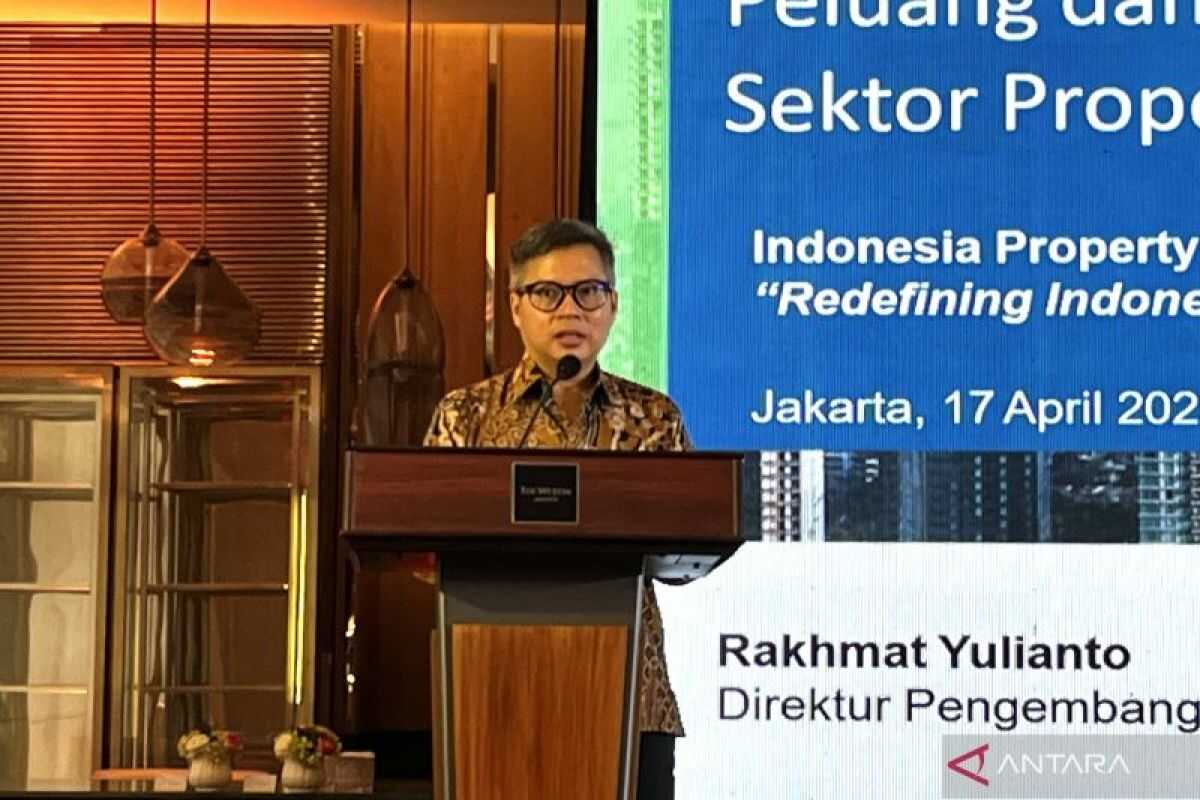
Jakarta (ANTARA) - Director of Promotion Development at the Ministry of Investment/BKPM, Rakhmat Yulianto, said that property investment trends in Indonesia are currently moving towards environmentally friendly and sustainable development.
“What we need to pay attention to here is how future investment trends are heading — like it or not, we must be ready to create more sustainable products,” said Rakhmat during his presentation at the “Indonesia CEO & Leaders Forum 2025: Redefining Indonesia’s Sustainable and Investment-Driven Property Sector” in Jakarta on Thursday.
Rakhmat further assessed that this would pose a challenge for the property industry following commitments to reduce carbon footprints at both national and global levels.
“However, this is certainly an opportunity for us — not only to create new environmentally friendly residential or property developments, but also to renovate or develop existing properties to become more sustainable,” he explained.
Additionally, Rakhmat noted that a number of Indonesian consumers have already developed an awareness of owning greener homes.
“If we look at this, it is not only a demand from companies but also from Indonesian consumers. It turns out that consumers already have an awareness of sustainability,” said Rakhmat.
He continued that total carbon emissions in the property sector remain quite high, making it a priority for all relevant parties, including developers and the government, to find solutions for reducing these emissions.
“We must not only look at the operational aspects of property itself, but certainly also consider the social aspects,” he said.
In his presentation, Rakhmat stated that Indonesia has committed to achieving net-zero emissions by 2060 or sooner.
“With this commitment, the government supports carbon emission reductions in the real estate sector, which contributes approximately 40 per cent of global carbon emissions according to JLL 2022,” said Rakhmat.
By applying sustainability principles in the property sector, he continued, various benefits can be delivered to companies and investors. These include increasing asset value and competitiveness; attracting environmentally conscious tenants; reducing operational costs through energy-efficient systems; and positively impacting brand reputation, competitive advantage, and generating long-term financial returns.