
Promising Export Business Ideas for Bali's MSMEs
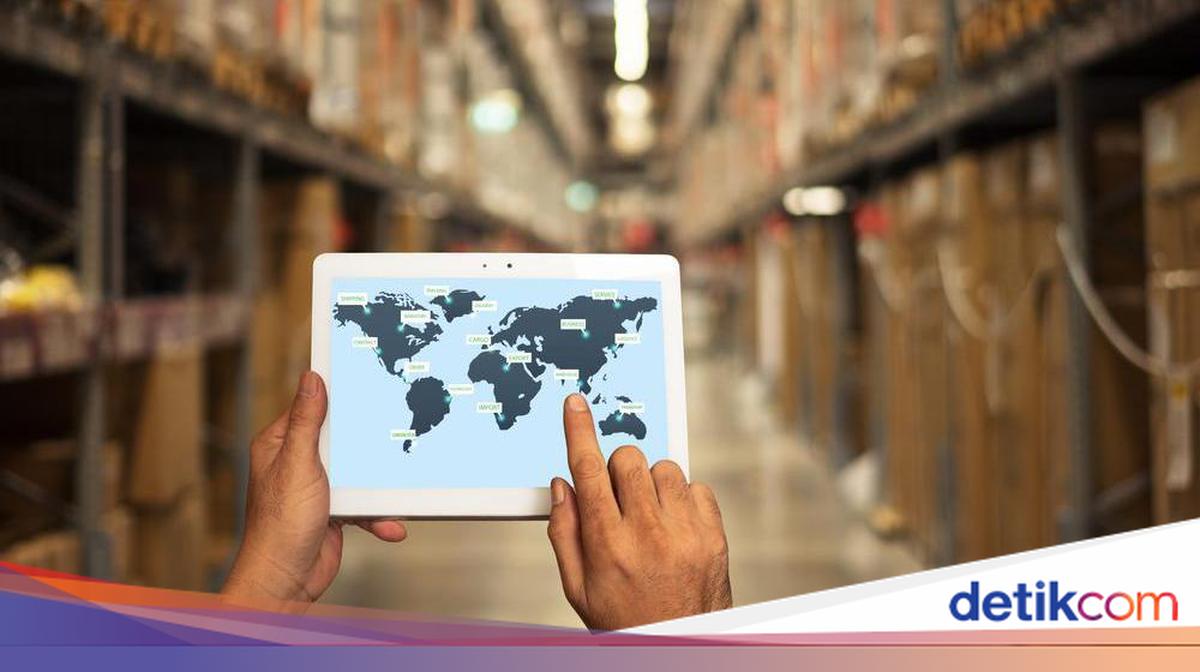
Bali has long been known as a world-class tourism destination. Beyond its enchanting attractions, the island holds significant creative economy potential that can penetrate international markets. According to the Central Statistics Agency (BPS) of Bali, the value of exports from the island reached US$565 million in 2025, indicating wide-open opportunities for local products.
Several types of businesses are promising for export. In the agricultural and food sector, processed products such as Kintamani coffee, vanilla, artisan chocolate, Kusamba sea salt, and Balinese arak have high export value. The handicraft sector is also sought-after for its creativity and eco-friendly nature, with silver crafts from Celuk Village alone achieving an export value of US$4.6 million.
In fashion and wellness, Bali’s products offer an alternative to the fast-fashion industry by focusing on slow-fashion with timeless models and environmentally friendly materials. Organic skincare products like soaps, shampoos, and masks are increasingly in demand due to shifting global lifestyles towards healthier choices. Additionally, incense products are popular internationally as room fragrances that support relaxation and yoga, with one producer from Jembrana successfully exporting to America.
To export, MSMEs must meet several legal requirements. The business must be a legal entity such as a CV, Firma, PT, Perum, Perjan, sole proprietorship, or cooperative. It must possess a Taxpayer Identification Number (NPWP) and a Business Identification Number (NIB) with customs access. Specific export permits from the Minister of Trade are required for certain goods, referring to Trade Minister Regulation No. 23 of 2023. Key export documents include a commercial invoice, packing list, and bill of lading.
After fulfilling legal obligations, the next step is market research to find potential buyers, starting with neighbouring countries like Singapore, Malaysia, and Hong Kong before expanding to Japan, Europe, and America. Using trusted platforms and distribution channels is crucial to avoid trade fraud. Logistics and adaptability to the destination country’s regulations must also be carefully managed. Above all, product quality and branding are essential, as international buyers will assess a business’s digital footprint before committing to cooperation.