
Promise II Impact Provides Rp584.3 Billion in Financing and Savings Access to 25,378 MSMEs
Jakarta (ANTARA) — The Promise II Impact project (Promoting SME Enterprises through Improved Entrepreneurs’ Access to Financial Services) has provided a total of Rp584.3 billion in access to formal financing and savings for 25,378 micro, small and medium-sized enterprises (MSMEs).
The programme, a collaboration between the International Labour Organization (ILO) and the Swiss State Secretariat for Economic Affairs (SECO), has also trained more than 2,300 entrepreneurs, around 40 per cent of them women. It has strengthened the digitalisation of six rural banks (BPRs), with the potential to benefit more than 300,000 MSMEs.
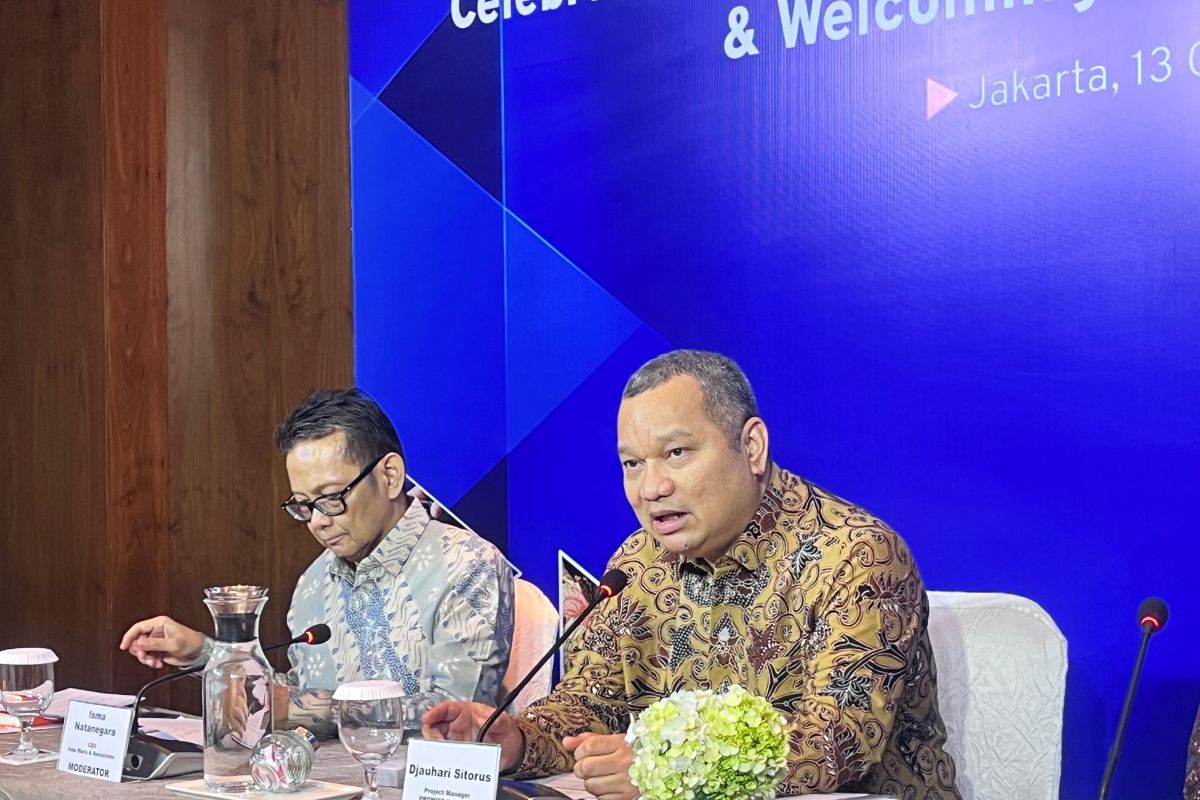
“The project is fundamentally about encouraging a more inclusive financial system as part of financial inclusion, while also creating jobs and sustainable economic growth,” said ILO Promise II Impact Project Manager Djauhari Sitorus at a media briefing for the event “Celebrating Achievement, Strengthening Partnerships and Welcoming the Next Chapter” in Jakarta on Tuesday.
Running since 2023, Promise II Impact combines access to finance, capacity-building and digital technology through a value-chain approach focused on three priority commodities: dairy, patchouli oil and seaweed.
In the dairy sector, the project is working with the South Bandung Livestock Cooperative (KPBS) in Pangalengan, West Java. The introduction of an enterprise resource planning (ERP) system has integrated 2,054 farmers, who have also received Rp11.6 billion in financing.
In the seaweed sector in East Nusa Tenggara (NTT), the programme has connected 216 seaweed farmers and 57 traders through an ERP system. Of these farmers, 24 have accessed formal financing from Bank NTT, creating opportunities to strengthen and expand their businesses.
For patchouli oil in Aceh, the programme uses the MyNilam platform to connect farmers, local government, research centres, processors, financial institutions and markets. The collaboration has helped drive exports of 32 tonnes of patchouli oil worth Rp30 billion to global markets, including France, and supported the emergence of 15 to 20 local perfume brands.
Djauhari said Promise II Impact had a distinctive approach, focusing on regional economic growth through strategic partnerships with the Financial Services Authority (OJK), the Coordinating Ministry for Economic Affairs and Regional Financial Access Acceleration Teams (TPAKD).
The project’s main strategy is to identify regions’ leading commodities and then boost productivity, operational efficiency and access to financial institutions through three integrated pillars: using digital technology to modernise entire value chains; providing entrepreneurship and financial-literacy training to help prevent harmful debt; and connecting businesses with financial institutions through digital systems.
To support regional economic development, the project provides intensive assistance to local financial institutions, particularly BPRs and Regional Development Banks (BPDs). It strengthens BPR management capabilities by introducing the ILO’s microfinance management modules, adapted to Indonesia’s local context.
The programme is also accelerating digital transformation by upgrading core banking systems and strengthening Loan Origination Systems (LOS).
“With a more advanced digital Loan Origination System, credit approvals become much faster. A process that used to take one or two weeks can now take two or three days, increasing bank account officers’ productivity two- or threefold. Instead of serving one client every two days, they can now serve three or four clients in a day, which greatly helps MSMEs,” Djauhari said.
The project has also facilitated discussions with TPAKDs, supported studies and coordinated meetings in various regions so that successful approaches in one area can be replicated elsewhere.
For example, the ERP system introduced in the dairy sector through a West Java milk cooperative is now being replicated by three cooperatives in East Java, with the potential to benefit up to 12,000 farmers.
Similar approaches are being applied to other leading commodities, including seaweed in NTT and patchouli oil in Aceh, helping to increase exports and create jobs.
“We are encouraging the development of premium commodities, particularly those geared towards export, so they can better meet domestic demand as well as serve overseas markets. This creates many job opportunities, boosts exports and regional economies, and ultimately benefits people’s welfare,” he said.
Source: jawawa.id (https://jawawa.id/newsitem/promise-ii-impact-provides-rp584-3-billion-in-financing-and-savings-access-to-25-378-msmes-1791892595)
Originally published by Antara (Indonesian) (https://www.antaranews.com/berita/5783869/promise-ii-impact-salurkan-rp5843-miliar-kepada-25378-umkm), translated from Indonesian