
Prolonged Strait of Hormuz Crisis Threatens to Reduce Global Oil Demand
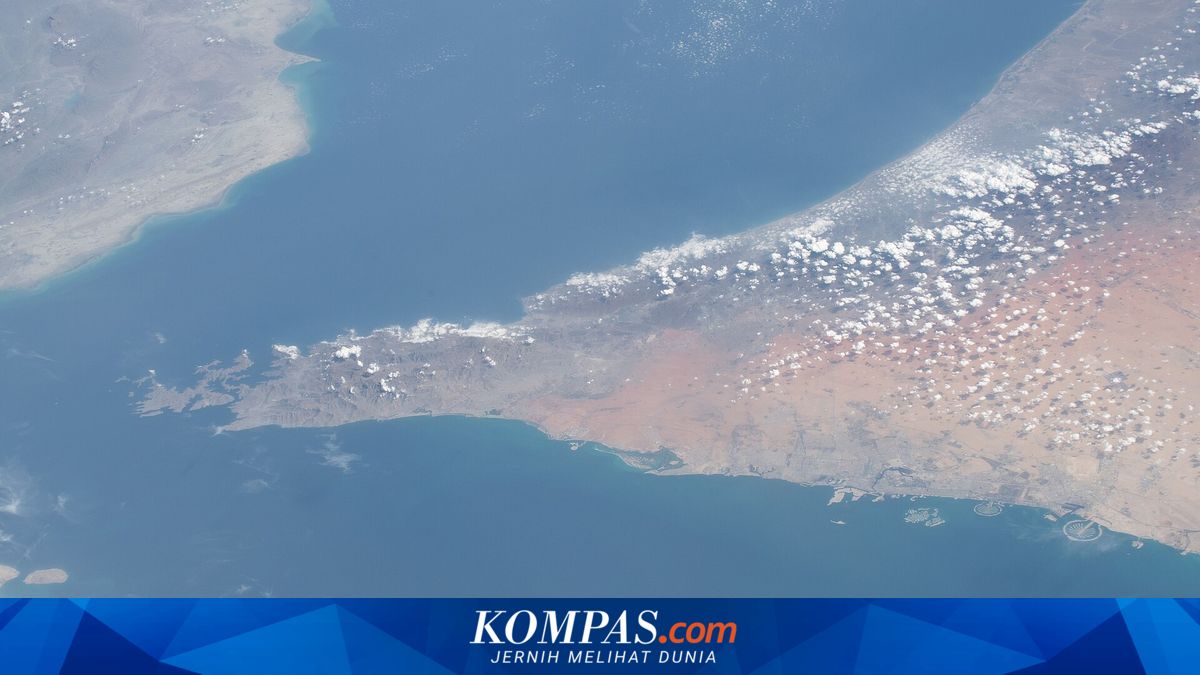
The global oil supply shock due to the closure of the Strait of Hormuz is beginning to show broader impacts. Although demand has not yet plummeted drastically, market players warn that major adjustments are almost inevitable if the crisis continues. Advanced countries are currently relying on energy reserves and are willing to pay more to keep supplies secure. However, this strategy is considered only temporary. Quoted from Bloomberg on Saturday (25/4/2026), traders estimate that the longer this vital route remains closed, global oil consumption must decrease to adjust to the supply that has shrunk by at least 10 percent. The loss of supply is estimated to reach around 1 billion barrels. This figure is more than double the emergency reserves that governments released at the start of the conflict at the end of February. Those reserves are now continuously depleting. Although temporarily able to hold back price surges, this situation cannot last long. After entering the ninth week of the Strait of Hormuz closure, the impacts are starting to spill over from sectors that were previously less visible. The initial demand drop occurred in the petrochemical sector in Asia. But now, the effects are beginning to be felt in broader markets, including everyday energy needs. Trafigura’s chief economist, Saad Rahim, said that the demand reduction has actually been ongoing, even if not yet fully visible in the main price centres. Sectors most dependent on energy are the first to be hit. The petrochemical industry in Asia and the Middle East, as well as LPG distribution in India, were directly affected after the US and Israel attacks on Iran on 28 February. Now, the impacts are shifting to the West and touching sectors closer to public activities. Airlines in Europe and the United States are beginning to cut thousands of flight schedules. Fuel cost pressures are one of the triggers. At the same time, petrol consumption is starting to weaken. In the United States, petrol prices have broken through $4 per US gallon. Although public spending has increased, purchase volumes have actually dropped by around 5 percent compared to last year.