
Prolonged Dry Season Causes Water Scarcity for Wildlife in West Bali National Park, Officials Regularly Refill Water Troughs
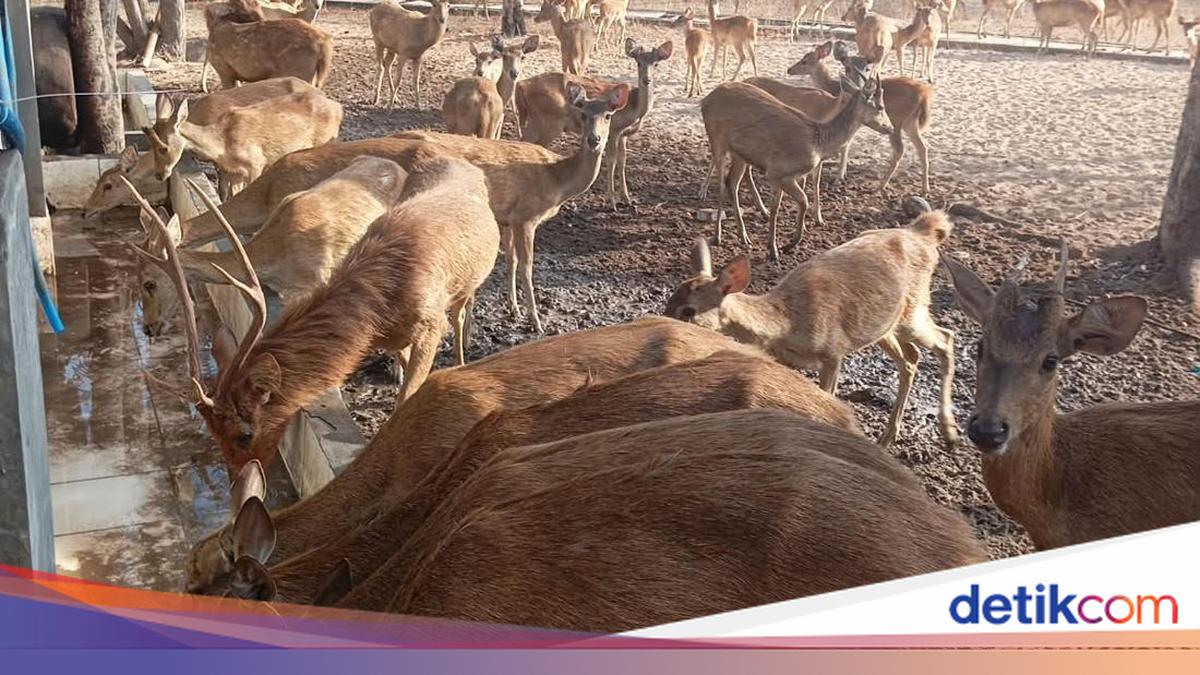
The prolonged dry season is causing natural water sources in West Bali National Park (TNBB) to continuously shrink. Several watering holes that typically serve as drinking spots for wild animals are losing their water levels, necessitating regular water supplies by officials to ensure the survival of the wildlife.
The most severe conditions have been observed in the Peninsula area. Natural pools that previously relied on small springs are no longer able to provide sufficient water due to the steadily decreasing flow.
“It is true that every dry season in TNBB brings drought, especially in the Peninsula region. We are intervening by providing water for the animals,” stated Isai Yusidarta, Head of the National Park Management Section (PTN) for the Jembrana Region, when confirmed on Thursday (10/09/2026).
Isai explained that there are currently at least three locations of natural water sources still frequently used by wildlife. Given that the spring flow continues to diminish during the dry season, these pools must be replenished using additional water supplies.
In addition to relying on natural sources, the park authorities have also prepared artificial water troughs at various strategic points. So far, seven artificial troughs have been constructed to hold water supplies, including the preparation of drinking stations at bird release sites.
The prolonged dry season is not only reducing water availability for wildlife. The savannah and seasonal forest vegetation within the TNBB area have also turned dry. Grass and shrubs that have lost their moisture content have become highly flammable materials if ignited by fire.
These conditions have placed TNBB under a high risk of forest and land fires (karhutla). To anticipate this threat, security across the entire TNBB area has now been tightened.
A number of hydrants have been prepared to support emergency handling, while firefighting fleets and personnel are stationed on-site.
Prevention patrols have also been increased, involving local residents and Fire Care Community (MPA) groups.
“Officers are ready to extinguish any fires. Prevention efforts are also carried out alongside assisted residents. Forest fire prevention patrols together with the fire care community are frequently conducted,” Isai emphasised.
Water management and fire preparedness have now become the primary focus of the park management. This is because, in addition to triggering the threat of dehydration for wildlife, the drought hitting TNBB also increases the risk of hotspots that can spread rapidly.
Source: jawawa.id (https://jawawa.id/newsitem/prolonged-dry-season-causes-water-scarcity-for-wildlife-in-west-bali-national-park-officials-regularly-refill-1789045263)
Originally published by detikBali (https://www.detik.com/bali/berita/d-8657503/kemarau-panjang-bikin-satwa-tnbb-kekurangan-air-petugas-rutin-isi-bak), translated from Indonesian