
Project Delays Pose Greatest Threat to Indonesia's Upstream Oil and Gas Production Targets
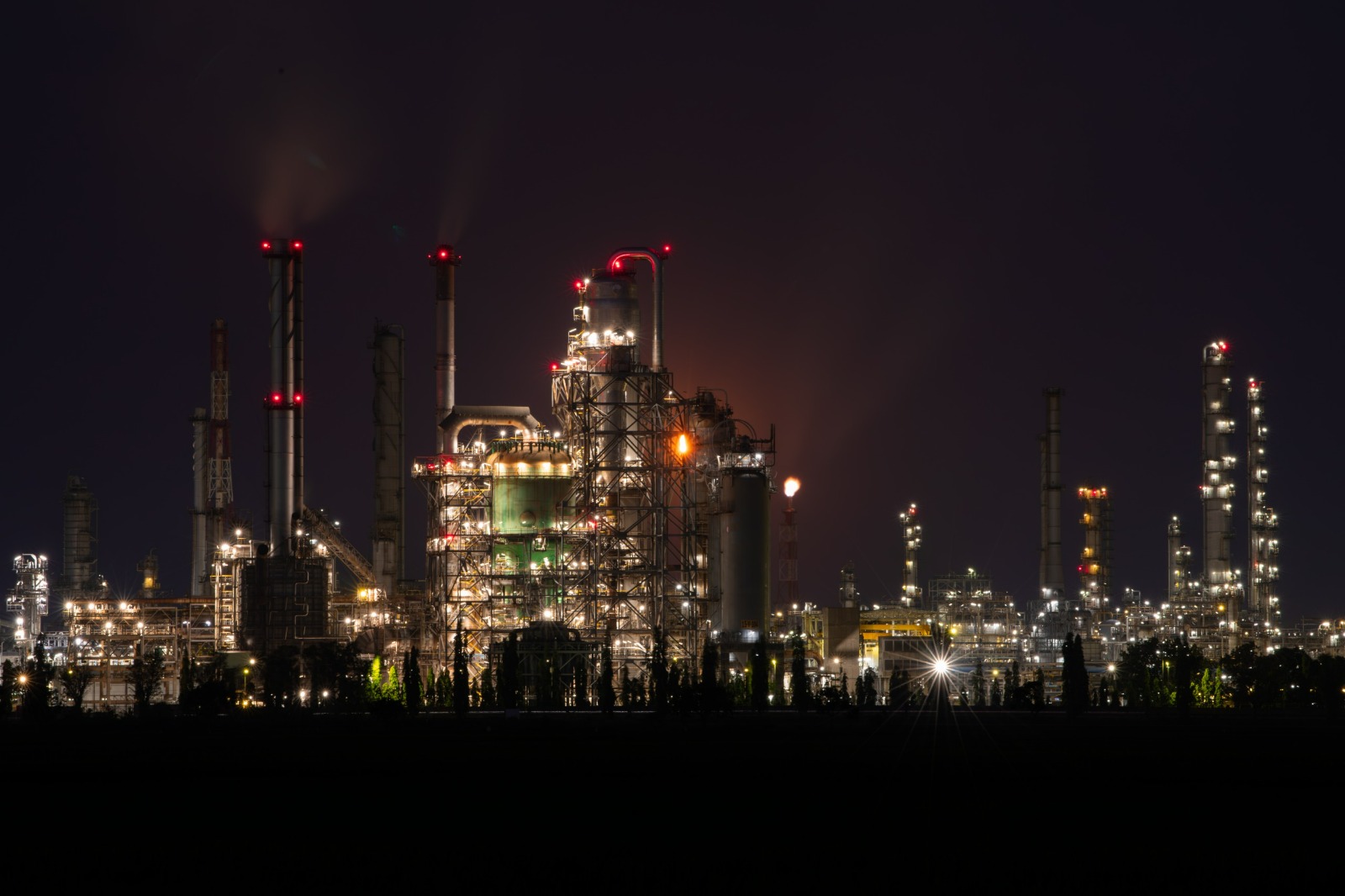
Indonesia’s upstream oil and gas industry is currently facing a major challenge that no longer stems solely from technical constraints in the field.
Oil and gas practitioner Benny Lubiantara has warned that project delays are in fact the most decisive factor capable of eroding investment value while hampering the achievement of national oil and gas production targets.
The characteristics of the upstream oil and gas industry as a high-risk business requiring large investment and long payback periods make timeliness absolutely crucial. In addition to facing geological risks such as the possibility of dry holes and fluctuations in oil and gas prices, industry players are also confronted with non-technical hurdles, or above-the-ground risks, which include licensing processes, regulations, and approvals from various stakeholders.
Any delay in bringing a project to the onstream stage according to schedule is certain to directly affect the economic viability of the investment.
Based on an economic simulation presented by Benny, a project delay of just one year is already capable of significantly reducing the internal rate of return (IRR). The impact of this decline makes the various fiscal incentives that have been prepared by the government less effective if projects continue to suffer setbacks in the field.
“The longer a project is delayed, the greater the investment value that is eroded,” he said in a written statement on Saturday (8/8/2026), emphasising the negative impact of such delays.
The situation is becoming even more challenging given that most oil and gas fields in Indonesia have now entered the mature fields phase. At this stage, the industry’s main focus is no longer on discovering new reserves, but rather on how to maintain production economically amid rising operating costs and ageing facilities.
Therefore, according to the man who once served as Deputy for Exploration, Development and Work Area Management at SKK Migas, the national upstream oil and gas industry not only requires the application of more efficient technology, but also needs increasingly competitive fiscal policy support so that the investment climate in this sector remains attractive in the eyes of global investors.
On the other hand, the upstream oil and gas contract scheme in Indonesia is also a matter of significant concern, particularly regarding the application of the Cost Recovery and Gross Split schemes. Benny explained that the fundamental difference between the two schemes lies in the basis of production sharing: the Cost Recovery scheme is based on profit, while the Gross Split scheme is based on revenue. This difference in mechanism automatically gives rise to different risk profiles for investors.
According to him, no single system can be claimed to be superior without examining the entire provisions of the contract, but in general the Gross Split scheme presents a greater level of risk for contractors because all efficiency gains and potential cost overruns are entirely their responsibility.
To date, many oil and gas working areas in Indonesia have adopted the Gross Split Production Sharing Contract (PSC) scheme. Some of these include Offshore North-West Java (ONWJ), managed by PT Pertamina Hulu Energi; Andaman I and South Andaman, operated by Mubadala Energy; as well as Andaman II, East Ganal, Merak Lampung, Pekawai, West Yamdena, Citarum, East Seram, and Southeast Jambi.
In addition, the Gross Split scheme has also been applied to a number of working areas resulting from contract terminations, such as North Sumatra Offshore (NSO), Ogan Komering, SouthEast Sumatra, Tuban, Sanga-Sanga, East Kalimantan & Attaka, Jambi Merang, Raja/Pendopo, Bula, Seram Non-Bula, Malacca Strait, Brantas, Salawati, Kepala Burung, and the Rokan Block. Nevertheless, since 2021 the government has provided flexibility for contractors to choose between the Gross Split or Cost Recovery scheme according to the characteristics of the field and the economic viability of each project.
Despite facing various challenges, the long-term national oil and gas production target is still considered optimistically achievable. The main condition is that all strategic projects must be able to operate on time according to the schedule set out in the Plan of Development (POD).
If major projects experience further delays, additional production from routine drilling activities will only be able to offset the natural decline from mature oil and gas fields.
“Therefore, investment certainty and project execution timelines, with the support of all stakeholders, are the most decisive factors in efforts to increase national oil and gas production,” Benny concluded.
Source: jawawa.id (https://jawawa.id/newsitem/project-delays-pose-greatest-threat-to-indonesias-upstream-oil-and-gas-production-targets-1786215012)
Originally published by investortrust.id (https://investortrust.id/business/112235/keterlambatan-proyek-jadi-ancaman-terbesar-target-produksi-hulu-migas-indonesia), translated from Indonesian