
Profit-Sharing Contract Scheme Unsuitable for Application in the Minerba Sector - Dunia Energi
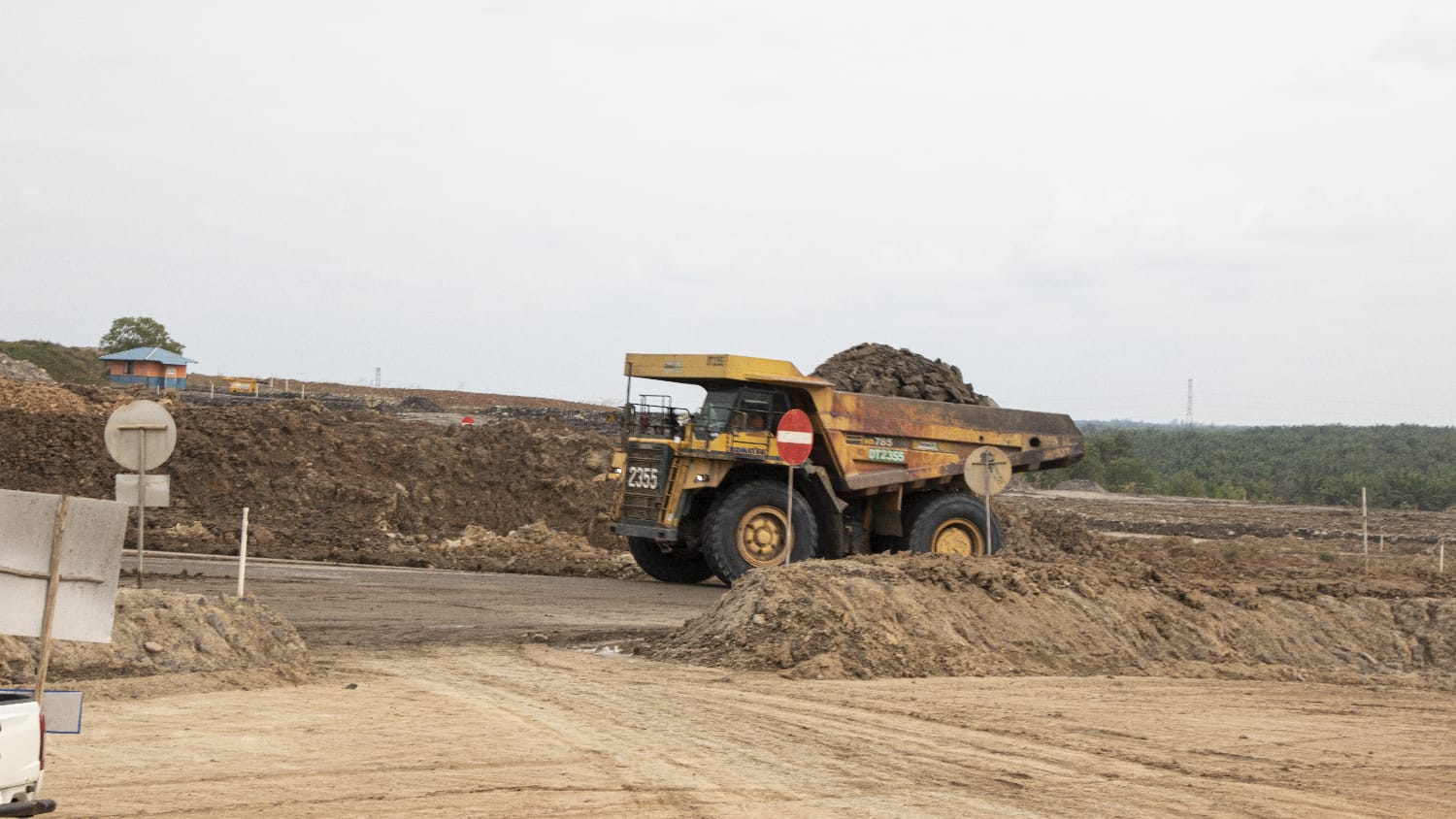
JAKARTA — The mineral and coal mining (minerba) industry is considered to have business characteristics that are vastly different from the oil and gas (migas) industry, both in terms of business models, investment patterns, risk levels, regulations, and licensing mechanisms. The minerba mining industry also has a high level of complexity with varying characteristics for each commodity.
Sari Esayanti, Executive Director of the Indonesian Mining Association (API-IMA), stated that these differing business characteristics mean that fiscal policy approaches and state revenue mechanisms in the minerba sector cannot be equated with the migas sector.
“The minerba mining industry has unique characteristics with varying levels of complexity for each commodity. This fundamental difference is why many countries apply royalty and fiscal systems that differ from the migas sector,” said Sari on Friday (8/5).
Energy and Mineral Resources Minister Bahlil Lahadalia previously revealed that the government is studying the application of the profit-sharing scheme (production sharing contract/PSC) in the migas industry to be implemented in the minerba industry. This step is to ensure that the management of natural resources, both old and new mines, can provide maximum contributions to state revenues.
Sari said that IMA assesses that implementing the profit-sharing scheme, PSC as in the migas sector, would face significant challenges if applied to the minerba mining sector. This is due to fundamental differences in business cycles, risk profiles, cost structures, and operational mechanisms between the two sectors.
Furthermore, IMA emphasised the importance of policy stability, particularly regarding companies’ financial obligations, to maintain the sustainability of investments and operations in the national mining industry.
IMA, according to Sari, hopes for stability in financial obligations so that the investment climate remains conducive and mining operations can proceed sustainably. “Currently, the industry is facing various policy adjustments such as changes to DHE, royalties, HPM, export duties, and the implementation of B50, which add to the operational challenges for mining companies,” she revealed.
IMA also views that policy certainty and consistency are important factors in maintaining the competitiveness of Indonesia’s mining industry, especially amid global dynamics and the increasing need for long-term investments to support national downstreaming and the energy transition.