
Products Entering Indonesia Must Be Healthy and Halal, Barantin Collaborates with BPJPH
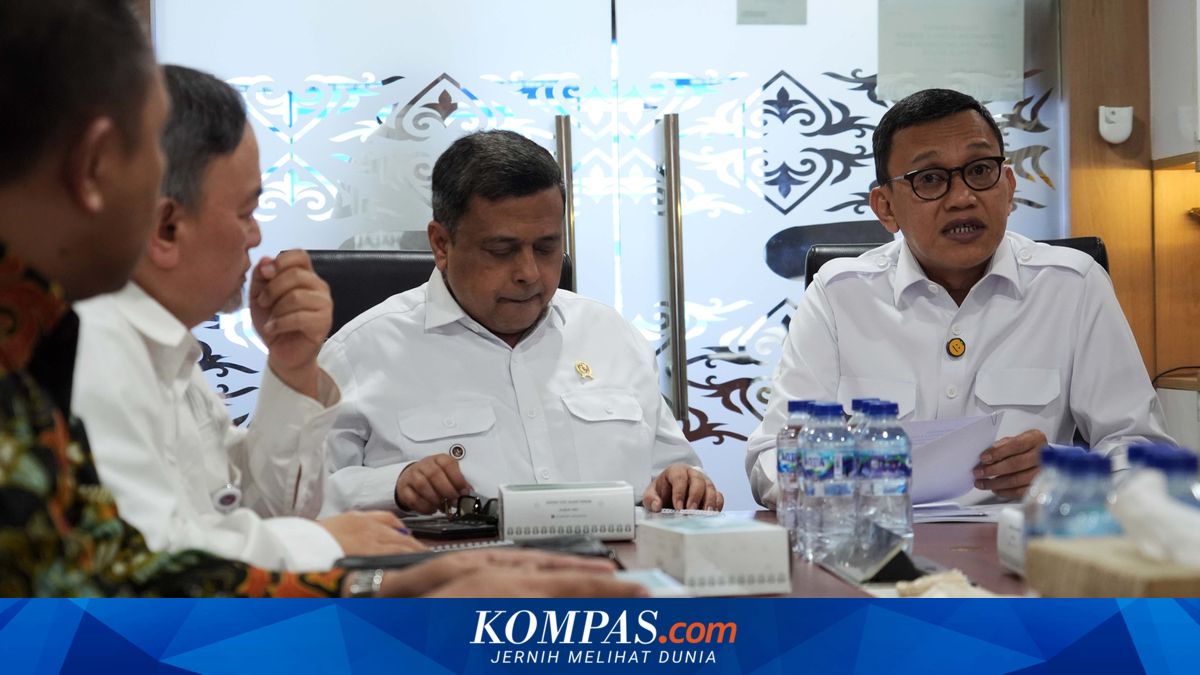
Indonesia’s Quarantine Agency (Barantin) has stressed that consumable commodities such as animal products, fish, and plants must not only meet health and safety standards but also adhere to halal aspects before circulating in society. This was stated by Barantin’s Head, Abdul Kadir Karding, after meeting with the Head of the Halal Product Assurance Organising Agency (BPJPH), Ahmad Haikal Hasan, at Barantin’s office in Jakarta on Monday (4/5/2026). “Indonesia is a country with a majority Muslim population, so the halal aspect must also be considered,” said Abdul Kadir. Therefore, harmonisation of regulations and standards between product health aspects and halal aspects is very necessary, Karding continued. The meeting discussed synergy in overseeing biosecurity and halal products. Barantin is responsible for safeguarding biological resources and ensuring that all commodity flows entering and exiting, as well as between regions in Indonesia, are guaranteed to be healthy,” said Abdul Karding. The discussion also covered data exchange and information system integration, policy socialisation and dissemination of oversight policies, human resource development and technical guidelines in each institution, implementation and integrated oversight up to monitoring, evaluation, and periodic policy refinement. We hope to bridge cooperation so that halal product flow oversight in the field can be carried out effectively,” Karding stated. Oversight of food security and quality is regulated under Law No. 21 of 2019 on Animal, Fish, and Plant Quarantine, strengthened by Government Regulation No. 29 of 2023, and Barantin Regulation No. 14 of 2024. These regulations emphasise the importance of quarantine actions and integrated oversight, especially at entry and exit points of Indonesian territory, to ensure the security and health of commodities. Meanwhile, Ahmad Haikal said the cooperation with Barantin is to enhance commodity security in the 2026 Mandatory Halal policy. This also relates to halal certification implementation to run effectively without hindering commodity flow, especially at entry and exit points. He said, based on Law No. 33 of 2014 on Halal Product Assurance, all products entering, circulating, and traded in Indonesian territory must have halal certification. All healthy products can enter Indonesia; halal products will be given a halal label, and non-halal products will be given a non-halal label,” Haikal stated. This label is not just a label, but also a form of trust for society,” Haikal added. Karding added that halal product assurance is fundamentally a state obligation. He said that with halal certification, it not only provides protection to society through healthy and halal product guarantees but also ensures strengthened food security and the competitiveness of Indonesian food product exports. “This cooperation is expected to solidify halal regulations and intensify comprehensive and traceable (traceability) oversight of commodity flows, from pre-border, at border, to post-border,” Karding added. The halal certificate will serve as a supplementary document in quarantine actions, so synergy between Barantin and BPJPH can support the realisation of an integrated, accountable oversight system capable of protecting public interests and the national economy.