
Procurement Seen as Strategic Instrument to Boost Domestic Enterprises
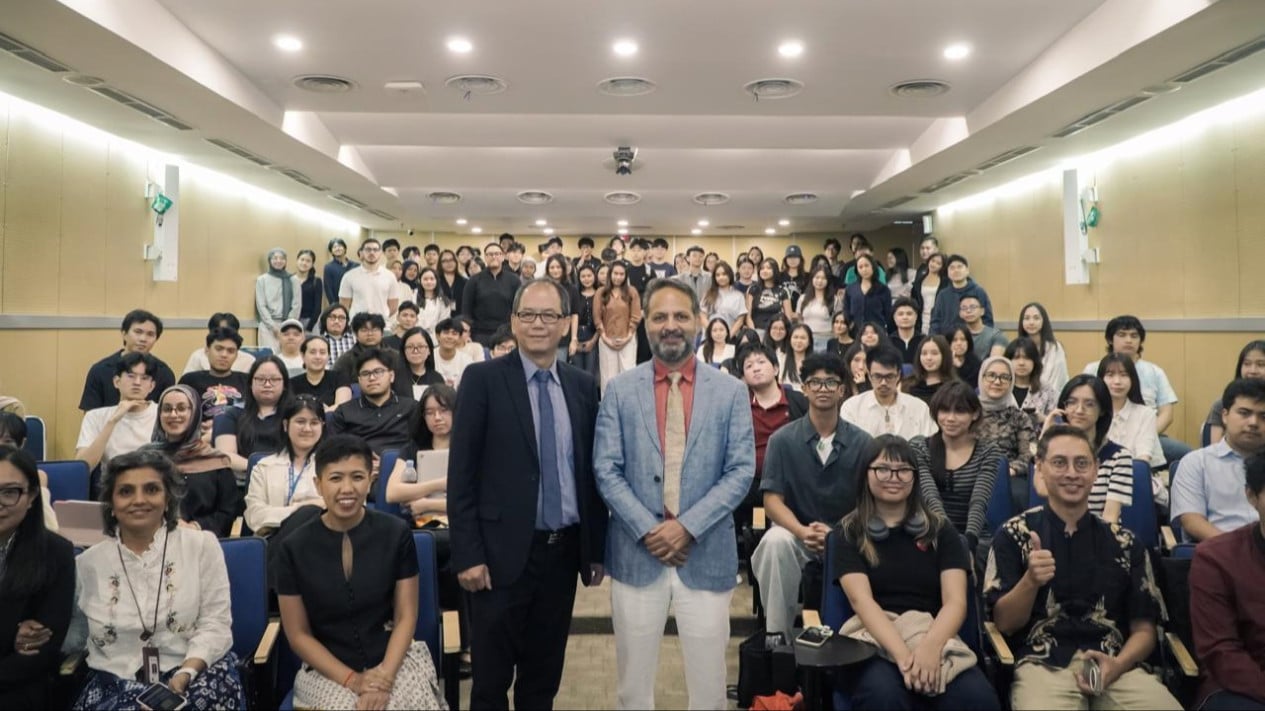
RMIT University in Australia is bringing its global expertise in artificial intelligence (AI), sustainable procurement, and regenerative business practices to Indonesia. Indonesia has more than 64 million micro, small, and medium enterprises (MSMEs) that contribute over 60 per cent to the gross domestic product and absorb nearly 97 per cent of the workforce. Therefore, changes in procurement practices can have a broad impact on business actors, workers, and society.
RMIT Director Indonesia, Tantia Dian Permata Indah, stated that procurement needs to be viewed as a strategic instrument to drive Indonesia’s sustainability transition. “When government procurement spending involves more than a thousand trillion rupiah, the procurement function can no longer be seen merely as a back-office administrative matter. Sustainability becomes real through everyday decisions: what organisations buy, who they work with, what standards vendors must meet, and how performance is measured,” she said in a written statement on Thursday, 13 August 2026.
She emphasised that this initiative is aligned with Indonesia’s circular economy ambitions, an economic model that encourages products and materials to be used for as long as possible through reuse, repair, and recycling. Implementing a circular economy in these sectors is estimated to add Rp593–638 trillion to GDP, create 4.4 million green jobs, and reduce greenhouse gas emissions by up to 126 million tonnes by 2030.
Meanwhile, the Chair of the Binus Center of Excellence in Sustainability, Professor Yanthi Rumbina Ianova Hutagaol, said local collaboration is essential so that global sustainability frameworks can be applied according to Indonesia’s needs. “By combining RMIT’s international research and expertise with Binus’s understanding of regulations, the business world, and the vendor ecosystem in Indonesia, this collaboration can help organisations move from ESG commitments towards real and measurable procurement practices,” she said.
This initiative strengthens RMIT’s engagement in Indonesia through applied research, industry partnerships, and capacity building, while positioning procurement as an instrument to support domestic enterprises, accelerate the circular economy, and create long-term value.