
Private Sector WFH Directive Starts Today, Labour Minister Urges Reporting of Any No Work No Pay Practices
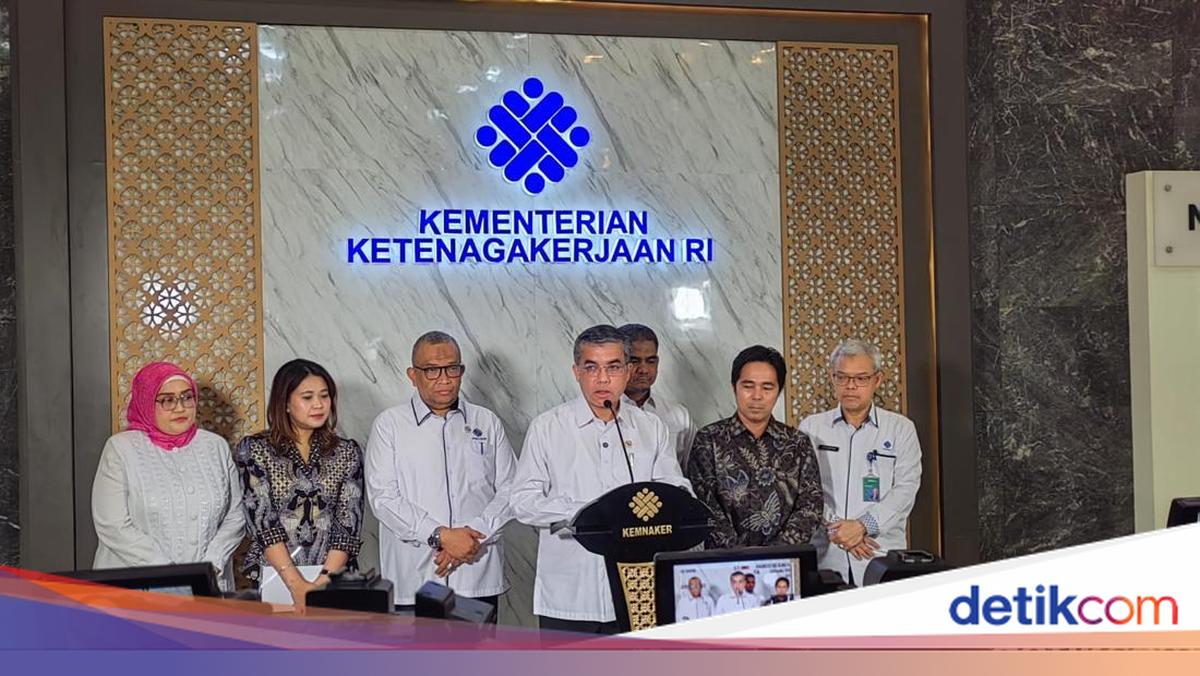
The directive for work from home (WFH) for private sector workers, state-owned enterprises (BUMN), and regional-owned enterprises (BUMD) takes effect from today. Minister of Manpower (Menaker) Yassierli has urged workers or labourers to report if any company withholds their rights.
“As conveyed by the Coordinating Minister for the Economy last night, we want 1 April to become a shared national momentum, so this directive should be followed and implemented effectively from today,” said Minister Yassierli during a press conference on Wednesday (1/4/2026).
Yassierli has urged companies to adhere to the WFH directive. He has asked workers to report any ‘no work no pay’ deductions while WFH is in place.
“So, firstly, we have the Lapor Menaker channel, so we urge that WFH arrangements must not reduce employees’ rights, and if that happens, please report to us and our supervisors will follow up,” he emphasised.
Yassierli believes this momentum can be utilised by the private sector to design joint programmes with labour unions to save energy at workplaces.
“Private company leaders, BUMD, and BUMN are urged to implement work from home (WFH) for workers or labourers for one working day per week according to company conditions, and WFH working hours are regulated by the company,” he said.
The implementation of WFH may be exempted for certain sectors, particularly those requiring physical presence of workers.
“It may be exempted for certain sectors such as the health sector, hospitals, clinics, medical personnel and pharmaceuticals, the energy sector, oil and gas fuel, and electricity,” said Yassierli during the press conference at the Ministry of Manpower on Wednesday (1/4/2026).
The following is a list of business sectors exempted from the WFH directive:
Health sector such as hospitals, clinics, and pharmaceuticals
Energy sector such as oil and gas fuel services and electricity
Infrastructure and public services sector such as toll roads, clean water, and waste transportation
Retail sector, staple goods trade, markets, and shopping areas
Industrial and production sector such as factories requiring physical presence for machine operations
Services sector such as hotels, tourism, and security
Food and beverage sector such as cafes and restaurants
Transportation and logistics sector such as passenger transport, goods transport, warehousing, and delivery services
Financial sector such as banking, non-bank financial institutions, insurance, capital markets, and stock exchanges.
“The technical implementation of WFH is regulated by each company,” he stated.
Yassierli said the implementation of WFH does not reduce annual leave. Workers or labourers implementing WFH must still carry out their duties and obligations.
The government urges that the wise energy utilisation programme can be carried out at workplaces. Yassierli explained several forms of energy saving at workplaces. Some energy-saving actions include the use of work equipment and monitoring electricity consumption.