
Private Sector Still Facing 'Bottlenecks', Deputy Minister Dradjad Steps In
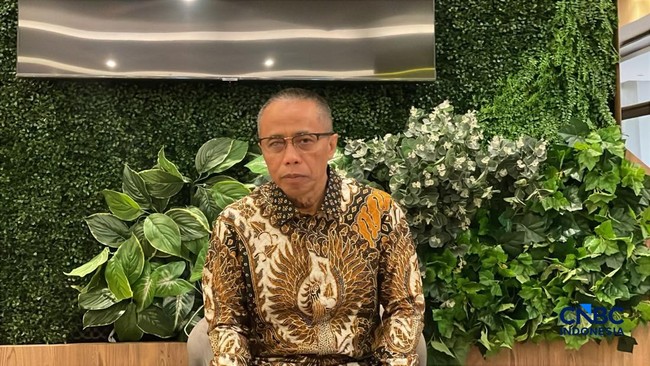
The government has acknowledged that the private sector continues to face various obstacles or ‘bottuitlenecks’ that hinder investment and business activities. To address these issues, the Deputy Coordinating Minister for Economic Affairs, Dradjad Hari Wibowo, stated that he is working directly alongside Coordinating Minister for Economic Affairs Airlangga Hartarto to resolve the various constraints complained about by business players.
According to Dradjad, the government has identified several barriers preventing the private sector from playing an optimal role in driving national economic growth. These obstacles range from convoluted licensing processes and policy inconsistencies to issues regarding coordination between ministries, agencies, and regional governments.
“The private sector is facing many bottlenecks and various hurdles. We have identified these obstacles. I am now assisting Minister Airlangga to ensure that the barriers facing the private sector, both for investment and their operations, can be reduced,” Dradjad said during a meeting with several media outlets at the Coordinating Ministry for Economic Affairs office on Wednesday (7/10/2026).
He explained that the government is currently mapping these various obstacles alongside the sectors most affected. This step is part of an effort to strengthen private sector contributions to economic growth amidst ongoing global uncertainty.
“Whether it is licensing hurdles, policy inconsistencies, and so on. These are what we are identifying. We have also identified the specific sectors involved,” he added.
Dradjad emphasised that strengthening the private sector’s role is vital because the government cannot rely solely on fiscal instruments and state spending to drive economic growth. Private sector investment and business expansion are considered essential engines of growth that must be reinforced.
In addition to focusing on resolving investment hurdles, the government has identified several sectors with the potential to become new sources of economic growth. These include the tourism and manufacturing sectors, which are seen as having significant opportunities to increase national economic value-add.
The government, he noted, will utilise various policy instruments, ranging from stimuli and standardisation to the strengthening of databases and statistics, to support the development of these sectors.
Focus on the People’s Economy
On the other hand, Dradjette also emphasised that he has been tasked with strengthening the economic empowerment of the middle and lower-income groups, specifically the low and medium deciles.
According to him, these efforts should not rely solely on the distribution of low-interest credit but must be accompanied by sustainable business mentoring and development.
“One of my tasks is to encourage the people’s economy in the low and medium deciles. For the less fortunate, we are pushing them not just with cheap credit, but also with empowerment and group-based business initiatives,” he said.
One of the programmes to be expanded is access to financing for the community, including through the Credit for Underprivileged Women (KPPS) programme. The government will also strengthen mentoring to ensure that the financing received can evolve into productive businesses that create sustainable sources of income.
Dradjad added that, in addition to handling the technocratic aspects of the economy, he will assist Coordinating Minister Airlangga Hartarto in resolving various hurdles that are political in nature and require cross-stakeholder coordination.
“The Coordinating Ministry for Economic Affairs deals with things that are technocratic, but there are also many economic matters that are political in nature. I will be assisting the Coordinating Minister to resolve these political hurdles,” he said.
He expressed hope that synergy between government policy, private sector strengthening, and community empowerment can create new sources of economic growth while supporting the national economic development targets set by the government.
Source: jawawa.id (https://jawawa.id/newsitem/private-sector-still-facing-bottlenecks-deputy-minister-dradjad-steps-in-1791420767)
Originally published by CNBC Indonesia (https://www.cnbcindonesia.com/news/20261008061434-4-774250/swasta-masih-terjepit-bottleneck-wamenko-dradjad-turun-tangan), translated from Indonesian