
Prince MBS Expresses Concern, Addressing Houthis and 'Islamic NATO'
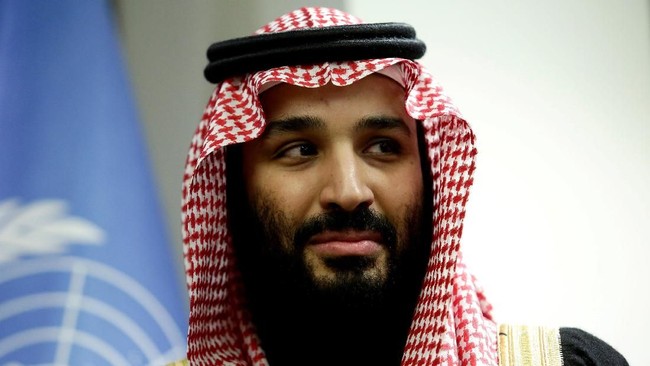
Saudi Crown Prince Mohammed bin Salman (MBS) has emphasised that Riyadh will not compromise on its national security amidst increasing attacks by the Houthi group from Yemen. He stated that the group has chosen “chaos and destruction,” which now threatens the people of Yemen as well as the surrounding region.
The statement was delivered by MBS in a speech read on behalf of King Salman bin Abdulaziz Al Saud on Wednesday (30/09/2026). The speech marked the opening of the third year of the ninth session of the Saudi Arabian Shura Council.
MBS stated that Saudi Arabia will not remain silent if its national security becomes a target once again. “Saudi Arabia will not hesitate to respond firmly to any threat or attack aimed at undermining” the nation’s security, MBS said, as reported by Al Jazeera.
He also referenced the Makkah trilateral defence agreement between Saudi Arabia, Turkey, and Pakistan, which was officially formed last August and is frequently referred to as an “Islamic NATO.” According to MBS, this cooperation demonstrates Riyadh’s desire to strengthen regional stability while addressing the impacts of regional conflict and tension.
The alliance, MBS noted, demonstrates the Saudi leadership’s intention “to strengthen regional stability, protect it from the impacts of tension and conflict, and coordinate efforts.”
Despite reinforcing a hardline stance against security threats, MBS stated that Riyadh remains open to resolutions through diplomatic channels. At the same time, Saudi Arabia is making “every possible effort to ease tensions and support diplomatic solutions without compromising even slightly on maintaining our security.”
In his speech, MBS also highlighted a series of Houthi attacks against ships passing through the Red Sea, particularly around the Bab al-Mandeb Strait. He rejected the use of international waterways as a tool to exert political or economic pressure. In his view, the security of international shipping lanes must be maintained as it concerns the interests of many nations.
MBS stated that a “multinational maritime defence coalition” has been formed to ensure that “common interests” remain protected in international waters.
In recent weeks, Houthi attacks against Saudi Arabia have indeed increased. The group is currently fighting against the internationally recognised Yemeni government forces, which receive support from Riyadh.
Last week, Saudi Arabia stated it had intercepted six ballistic missiles launched towards Taif in the western part of the country and the Yanbu Port area on the Red Sea coast. The Houthis have also claimed to have attacked “sensitive targets” in the Saudi capital, Riyadh, as well as Saudi Aramco energy company facilities in Yanbu.
These tensions have also driven closer defence coordination between Riyadh and its partner nations. On Tuesday, Pakistan’s Defence Minister Khawaja Muhammad Asif stated that Islamabad would provide “whatever is necessary” for Saudi Arabia based on the mutual defence pact between the two nations.
The Saudi-Turkish-Pakistani defence agreement formed in Makkah serves as one of the new instruments used by Riyadh to strengthen security cooperation amidst rising regional conflict, particularly the war in Yemen and threats to Red Sea shipping lanes.