
Primary energy demand to grow by 5% per year, gas infrastructure to be strengthened.
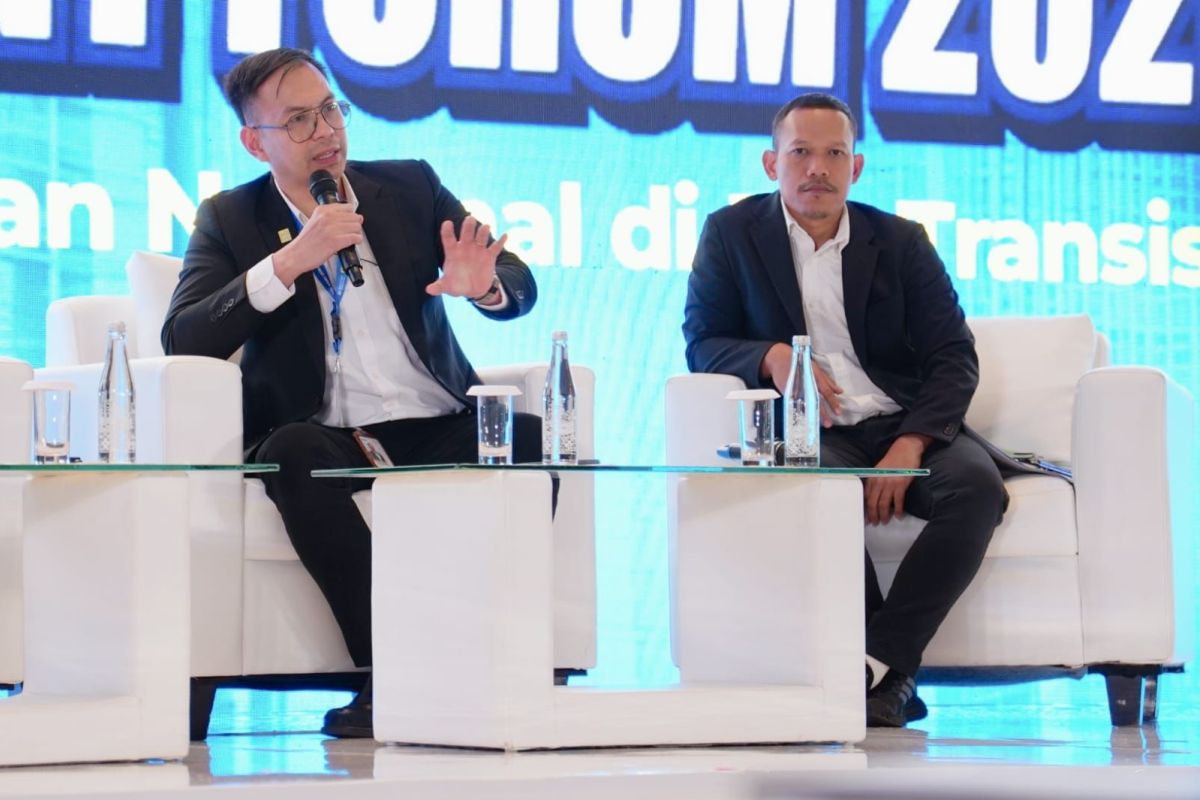
Primary energy demand for the national electricity sector is projected to rise with an average growth of around 5% per year up to 2035, prompting the strengthening of the national gas infrastructure as part of a strategy to maintain energy supply reliability during the transition to clean energy. Anggoro Wisaksono, head of the Corporate Planning Unit for Primer Energy at PLN Energi Primer Indonesia (PLN EPI), said this at the Hipmi Power Development Forum 2026 in Fairmont Jakarta on 20 May. He stressed that national electricity planning must be holistic, covering electricity demand projections, generation, transmission, distribution, and the provision of primary energy. PLN EPI, part of the energy primer sector, aims to ensure a sustainable and reliable supply of fuel to power plants. The 2025–2034 Electricity Supply Business Plan (RUPTL) projects changes in the national generation mix: by 2034 coal-fired generation is expected to reach 273.8 TWh (about 47% of the national energy mix); natural gas around 132.3 TWh (about 23%); and new renewables around 164.1 TWh (about 28%), with biomass at 8.1 TWh. Under the Accelerated Renewable Energy Development (ARED) scenario, renewables could rise to 190.9 TWh (33%) by 2034. Nevertheless, Anggoro said coal and natural gas will remain the pillars of reliability during the energy transition, particularly for system stability. In addition to coal and gas, PLN EPI is expanding biomass use through co-firing at coal-fired plants, creating opportunities for Indonesian businesses in the biomass supply chain. To support national energy needs, PLN EPI is also developing various midstream gas infrastructure projects from Sumatra to Papua, including Floating Storage and Regasification Units (FSRUs), LNG carriers, Offshore Regasification Units (ORUs), and gasification projects in multiple regions. Strategic projects include FSRU Jawa Barat 1 and 2, FSRU Jawa Timur, FSRU Bali, and FSRU Cilegon, with total regasification capacity of 3,850 MMSCFD and LNG storage capacity of 1.2 million cubic meters. Anggoro noted that gas infrastructure is critical given Indonesia’s archipelagic nature and the presence of many isolated electricity systems. He also touched on the impact of global geopolitical tensions, including developments in the Hormuz Strait, but said PLN EPI’s current primary energy supply is relatively secure. For gas, PLN EPI relies on a mix of domestic production and partnerships with international players, since much of national gas remains under long-term export contracts. “We cannot operate alone. International collaboration with global partners is essential,” he added.