
Prevention of non-communicable diseases must begin with adolescents
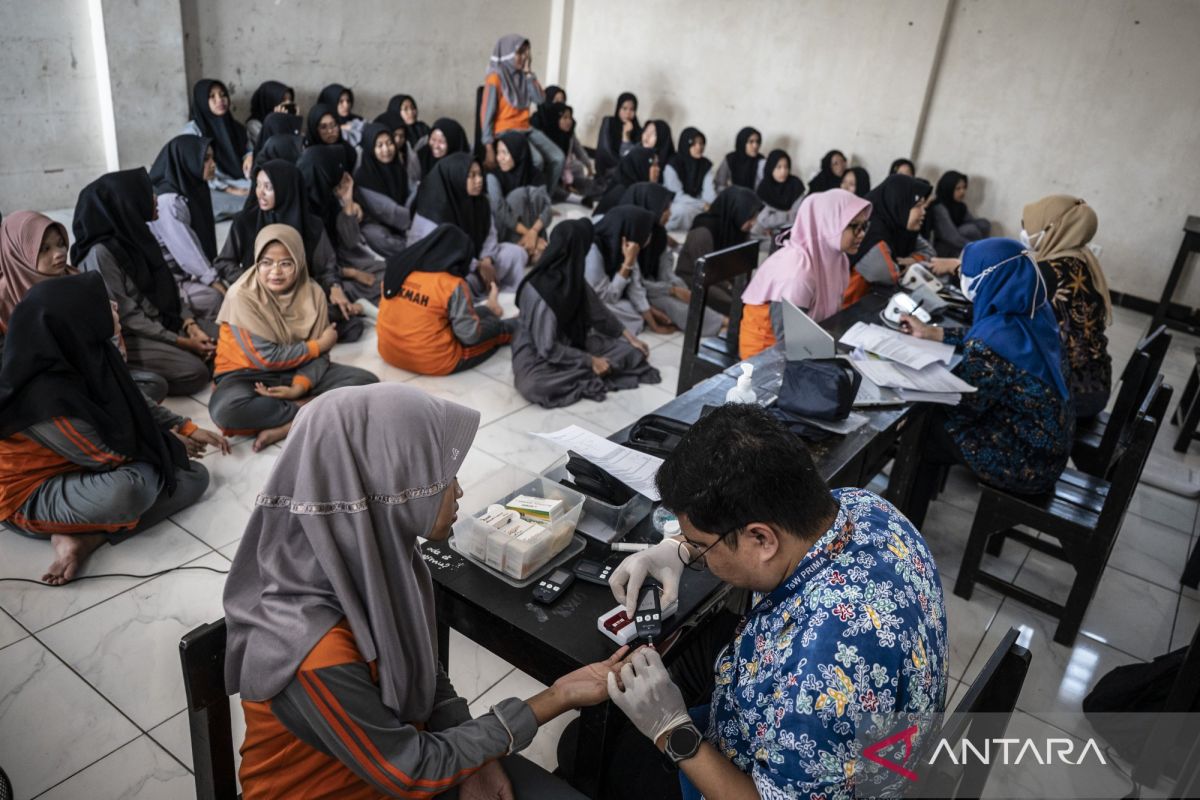
Jakarta (ANTARA) - Efforts to prevent non-communicable diseases (NCDs) in Indonesia need to be strengthened starting from adolescence by ensuring that education, healthcare services, and environments that support healthy lifestyles reach the younger generation.
“Investing in the health of the younger generation means investing in the future of Indonesia. In line with Indonesia’s vision towards the 2045 Golden Generation, it is vital to equip young people with the knowledge and ability to make healthier choices from an early age,” said Esra Erkomay, President Director of AstraZeneca Indonesia, in a statement received in Jakarta on Monday.
Esra noted that Indonesia has approximately 47 million adolescents aged 10 to 19, representing about 17 per cent of the total population. This age group still faces several health challenges, including nutritional issues, obesity, and tobacco use.
The organisation has maintained a partnership with UNICEF Indonesia since 2020 regarding the improvement of adolescent health. This is conducted through health education and promotion, youth-led action programmes, the strengthening of healthcare services, and the development of policies and systems that support adolescent health.
The programme has also introduced tobacco use screening in East Java, West Nusa Tenggara, East Nusa Tenggara, and South Sulawesi.
To date, the programme has reached 2.5 million young people in Indonesia. Furthermore, more than 25,000 adolescents and 350 young advocates have received training, while 120 young leaders have been equipped to contribute to the formulation of national adolescent health guidelines.
UNICEF Indonesia representative Thomas Davin stated that the partnership is also aimed at strengthening adolescent healthcare services to be more responsive to their needs, ensuring that the voices of the younger generation are reflected in policies and programmes affecting their health.
“In the next five years, this partnership will help more adolescents adopt healthy behaviours and address the increasing impact of climate change on their health and well-being,” said Davin.
These efforts also include strengthening tobacco control policies. Young advocates joining the Young Health Programme have contributed to policy strengthening, which is reflected in Government Regulation Number 28 of 2024, including increasing the minimum age for purchasing tobacco products from 18 to 21 and expanding regulations on electronic cigarettes.
Over the next five years, the collaboration will focus on three areas: encouraging healthy lifestyles and the active role of young people, strengthening environments and services responsive to adolescent needs, and supporting the strengthening of policies, evidence, and support systems for adolescent health and NCD prevention.
Strengthening NCD education in schools, communities, and digital platforms, as well as increasing awareness, screening, and follow-up, are also part of these efforts.
Source: jawawa.id (https://jawawa.id/newsitem/prevention-of-non-communicable-diseases-must-begin-with-adolescents-1790564482)
Originally published by Antara (Indonesian) (https://www.antaranews.com/berita/5761107/pencegahan-penyakit-tidak-menular-perlu-dimulai-dari-remaja), translated from Indonesian