
Preventing Fiscal Benefits for Corruption Offenders
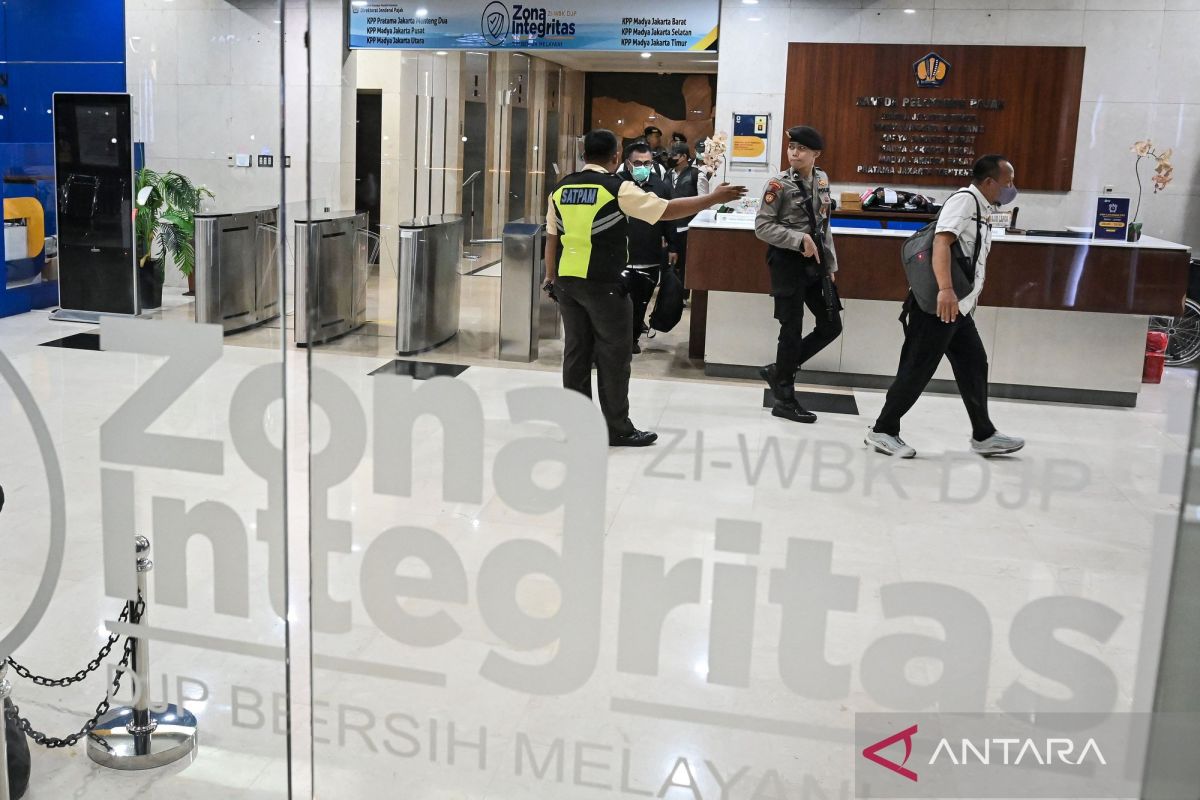
Corruption has long been viewed primarily as a legal and governance issue. However, behind it lies an equally important fiscal dimension. Every rupiah lost to corruption essentially represents resources that failed to be converted into public services, infrastructure development, improved education quality, strengthened healthcare services, or various social protection programmes needed by society. From a development perspective, corruption is not merely a legal violation but an obstacle that erodes the state’s capacity to improve people’s welfare.
This awareness has driven the government to continue strengthening the integrity of the taxation system. One of the latest steps is realised through Government Regulation (PP) Number 20 of 2026. The regulation affirms that expenditures related to bribery, gratuities, or other forms of payments contrary to the law cannot be charged as costs that reduce taxable income. Consequently, the state no longer provides fiscal benefits for activities that damage governance and harm the public interest.
The policy carries a message larger than just a tax administration rule. The government wants to ensure that corrupt practices do not generate economic benefits, either directly or indirectly. When bribery-related expenditures cannot be used as tax deductions, the room for perpetrators to obtain financial benefits from corrupt actions becomes increasingly narrow. This approach aligns with the global trend of using tax instruments as an important part of the anti-corruption agenda.
Through PP No. 20 of 2026, the government asserts that expenditures to bribe officials, provide prohibited gratuities, or various other forms of illegal payments cannot be treated as costs to obtain, collect, and maintain income. Thus, these expenditures cannot become deductions from gross income in tax calculations. This provision reinforces the principle that tax facilities are only granted to lawful, productive, and accountable economic activities.
The policy is also consistent with international standards developed by the OECD through its Recommendation on Tax Measures for Further Combating Bribery of Foreign Public Officials in International Business Transactions. The OECD emphasises that countries should not provide tax benefits for bribe payments because doing so is tantamount to subsidising corrupt practices with public money. To date, more than 50 jurisdictions have implemented rules that explicitly prohibit tax deductions for payments related to bribery and corruption offences.