
Preventing AI Crimes via Human Rights Bill, Minister Pigai: 'My Thoughts Could Be Stolen by Others'
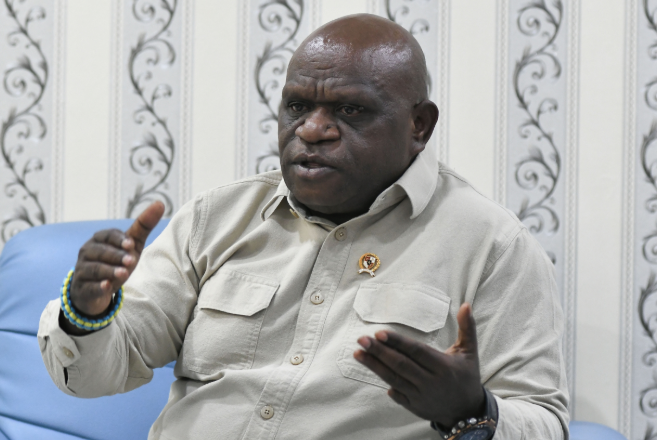
The government is preparing regulations to anticipate potential human rights violations resulting from the development of artificial intelligence (AI) and neurotechnology. One of the primary focuses is the protection of ‘neurorights’, or the rights pertaining to the human mind.
Human Rights Minister Natalius Pigai stated that the increasing sophistication of neurotechnology has the potential to create new forms of human rights violations, as it can record, process, and even influence information related to human brain activity. Consequently, he is advocating for the inclusion of neurorights protection within the Draft Human Rights Bill as an anticipatory measure.
“There needs to be legislation regulating this within the draft Human Rights Bill. A specific article regarding the protection of neurotechnology,” Pigai said while presenting his policy direction in Jakarta on Monday.
According to Pigai, the advancement of neurochip technology must be accompanied by regulations capable of protecting individuals from the misuse of information regarding their brain conditions and thoughts. “My thoughts could be stolen by others. Therefore, there must be laws to protect against neurological theft, because current neurotechnology is becoming increasingly advanced,” he remarked.
Pigai explained that neurorights is a concept designed to protect human rights from the potential misuse of technology that can access, monitor, process, or influence an individual’s brain activity. He emphasised that this step is necessary not only to address existing human rights violations but also to anticipate issues that may arise from future technological developments.
“This is my point. Neurorights… it is about considering what will happen in the future,” said Pigai. He noted that this approach is part of a human rights development plan based on projections. The government must estimate future human rights conditions so that policies formulated now can address emerging challenges.
“We are not fortune tellers or futurologists, but we are the designers of technocratic development in the field of human rights—specifically economic, social, and cultural rights—which we plan based on projections,” he explained. He cited that projections for economic, social, and cultural conditions in 2050 must be a consideration in determining the direction of human rights development.
Furthermore, he emphasised that the preparation of national technocratic development planning falls under the authority of the National Development Planning Agency (Bappenas). The Ministry of Human Rights will also bring this human rights development perspective into the National Human Rights Development Planning Deliberation (Musrenbang HAM).
“The regulation of neurorights is vital as technological capabilities continue to evolve in processing information regarding the human body, mind, and behaviour,” he concluded.
Source: jawawa.id (https://jawawa.id/newsitem/preventing-ai-crimes-via-human-rights-bill-minister-pigai-my-thoughts-could-be-stolen-by-others-1788238420)
Originally published by Media Indonesia (https://mediaindonesia.com/politik-dan-hukum/928262/cegah-kejahatan-ai-lewat-ruu-ham-menteri-pigai-pikiran-saya-bisa-dicuri-orang-lain), translated from Indonesian