
Pressure Sore Prevention Education Gains Focus Amid Indonesia's Ageing Population
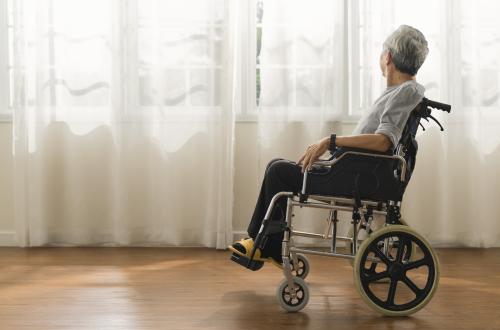
The increasing number of elderly people in Indonesia is driving a greater need for proper care, including the prevention of pressure sores or decubitus ulcers. Education on skin care and pressure sore prevention is considered crucial, especially for seniors with limited mobility and urinary incontinence.
Based on the 2025 Intercensal Population Survey (SUPAS) data released by Statistics Indonesia (BPS), the country is entering an ageing population phase. The number of residents aged 60 and above is estimated to have reached around 34.07 million, or about 12 percent of the total population.
This condition makes the need for elderly healthcare and care systems increasingly important. One issue that requires attention is pressure sores, which can arise from prolonged pressure on certain body parts.
Dermatologist and venereologist Dr. Windy Keumala Budianti explained that the elderly are more susceptible to pressure sores because their skin experiences pressure for long periods, especially when the body remains in the same position. The risk increases when the skin is repeatedly exposed to urine or faeces. This condition makes the skin more moist, raises its pH level, and disrupts the skin’s protective function. Overly moist skin then becomes more prone to maceration, erosion, irritation, and is vulnerable to friction and shear.
To reduce this risk, caregivers and families looking after the elderly at home need to pay attention to several care steps. Nurse and Enterostomal Therapy Nurse (ETN) Eka Widiati suggested five measures to help prevent pressure sores. First, the elderly person’s position should be changed regularly, approximately every two hours, to relieve pressure on weight-bearing body parts. Second, the skin condition must be checked daily to detect any changes or signs of irritation early. Third, areas of skin that are starting to redden should not be massaged. Fourth, bed sheets must be kept neat and dry. Fifth, the choice of adult diapers also needs attention, particularly for those with urinary incontinence, to keep the skin condition dry and not overly moist.
This education on pressure sore prevention was delivered during a national webinar titled “Towards Zero Decubitus: Comprehensive Nursing Management of Urinary Incontinence & Elderly Skin Health”. The event, held in conjunction with National Elderly Day in May, was attended by more than 1,000 medical professionals. It was organised by PT Uni-Charm Indonesia Tbk through its adult diaper brand Lifree, together with the Indonesian National Nurses Association (PPNI) DKI Jakarta. During the event, Unicharm also introduced several developments to its adhesive-type adult diaper products, including materials claimed to allow air circulation, a urine absorption system, and reusable adhesives.