
Press Council Proposes Recognition of Economic Rights for Journalistic Works
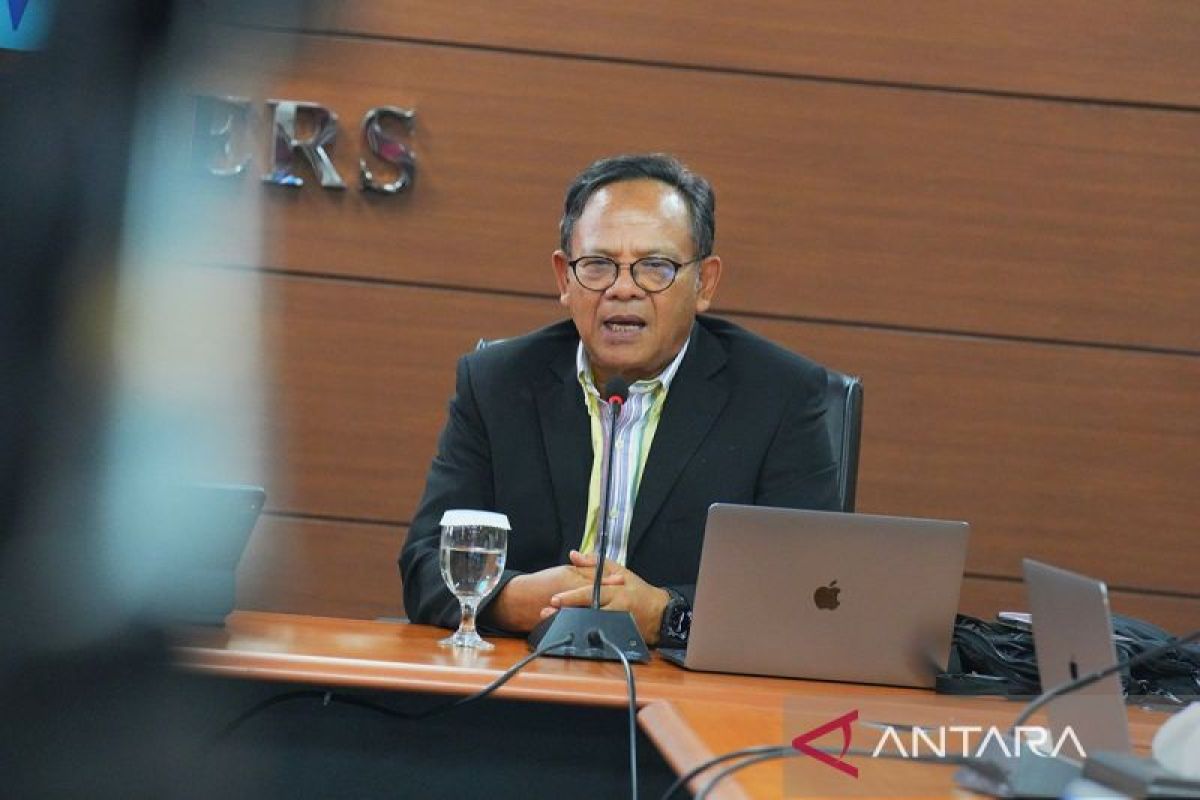
The Press Council has proposed the recognition of economic rights for journalistic works in the revision of the Copyright Law as an effort to strengthen the sustainability of the media industry and protect the economic value of journalistic products in the digital era. Dahlan Dahi, Chairman of the Press Council’s Digital and Sustainability Commission, stated in Jakarta on Tuesday that the proposal was submitted because journalistic works currently lack adequate economic rights protection. “We conveyed this in the proposed revision of the Copyright Law,” Dahlan said during a presentation of the Press Council’s first-semester 2026 performance report on Monday (15/6). According to him, existing provisions allow journalistic works to be quoted and utilised by various parties for various purposes simply by citing the source, without any mechanism to protect the economic value for press companies or journalists.
Meanwhile, Press Council Chairman Komaruddin Hidayat said the performance report was delivered as a form of transparency, accountability, and public responsibility regarding the condition of the national press ecosystem. “We want to present the report within that framework, in a manner that is critical yet objective, educational, and constructive,” Komaruddin stated. In addition to advocating for the economic rights of journalistic works, the Press Council continues to organise press companies through verification and data updating programmes. Chairman of the Research, Data Collection, and Ratification Commission Yogi Hadi Ismanto said the council had factually verified 32 press companies throughout 2026 and administratively verified 90 media outlets from January to May 2026. By the end of May 2026, a total of 1,277 media outlets were factually verified and 198 were administratively verified.
In the data updating process that has been ongoing since October 2025, the Press Council removed 300 media outlets from the official list because their verification certificates had expired and had not been renewed. A total of 97 media outlets have submitted renewal documents to extend the validity of their certificates. In the area of press supervision, the Press Council received 573 public complaints from January to May 2026. Of these, 247 cases are still in the process of resolution, while 326 cases have been resolved. Indria Purnama Hadi, an expert staff member of the Press Council’s Complaints Commission, said the high number of complaints indicates increased public awareness of their rights, while also highlighting ongoing challenges regarding professionalism and ethical compliance among media outlets, particularly cyber media.
Meanwhile, the Press Council is also preparing several regulatory proposals related to the development of the digital information ecosystem, including the phenomenon of content creators and groups referred to as “homeless media”. According to the Press Council, content creators are part of freedom of expression and should be encouraged to provide greater benefits to the public. Social media accounts of press companies managed in accordance with Press Council Regulation Number 1 of 2022 concerning Guidelines for Managing Press Company Social Media Accounts will receive protection under the Press Law. On the aspect of press freedom, Indonesia’s Press Freedom Index according to the Press Council in 2025 reached 69.44, an increase from 69.36 the previous year. The Press Council also monitored 11 cases involving journalists and media throughout 2026, including terror, physical violence, digital attacks, civil lawsuits, and kidnapping.