
President's Working Visit: Professional Diplomatic Efforts
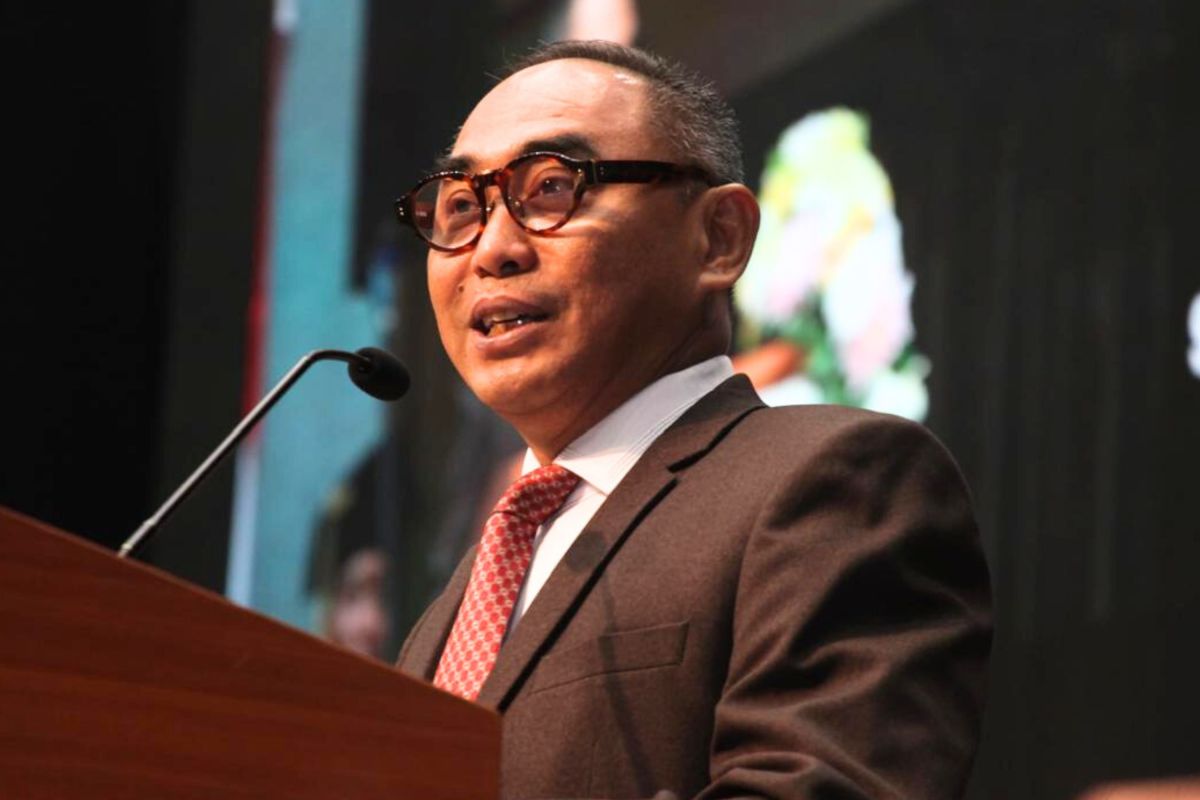
In the social media era, every move by President Prabowo Subianto is almost always a subject of debate. This is no exception when the eighth president returned to Paris, France, with some questioning its urgency and others linking it to various political interests. “Amidst the commotion, one aspect often overlooked is the essence of the President’s role as head of state,” said Moestar Putra Jaya, Chairman of the Jayabaya University Foundation. In modern constitutional systems, Moestar added, the President is not only responsible for domestic affairs but also bears the significant duty of safeguarding, strengthening, and expanding national interests through diplomacy. The world today operates within increasingly complex networks of relationships. “Investment, trade, technology, education, defence, food security, and energy can no longer be separated from international relations,” he added. Therefore, according to Moestar, when a President visits abroad, the question should not be how many times the visit occurs, but what national interests are being pursued. Indonesia-France relations have developed into a strategic partnership covering various sectors crucial to the nation’s future. In recent years, the public has witnessed cooperation between the two countries in defence, strategic industries, education, technology, energy, and investment. The presence of modern military equipment in Indonesia is a clear example that diplomacy goes beyond joint statements or ceremonial events,” he stressed. Diplomacy yields concrete cooperation requiring continuous communication and long-term commitment. Therefore, repeated presidential visits to Paris should be understood as part of efforts to oversee these strategic agendas. In international relations, major agreements rarely emerge from a single meeting; they require ongoing dialogue, trust-building, and direct involvement of national leaders. Moestar noted that society often only sees the end result of diplomacy without realising the lengthy process involved. Major investments in Indonesia, beneficial technology collaborations, or strengthened national defence capabilities are the fruits of years of communication and negotiation. “Diplomacy is not a stage for image-building but an instrument for advancing national interests. In international diplomacy, repeated visits are not a sign of inactivity but proof that significant national interests are being pursued to yield tangible benefits,” he reiterated. Ultimately, history will not judge the volume of debate surrounding a state visit but whether it has fostered cooperation, progress, and benefits that strengthen Indonesia’s future. This is the true measure of a nation’s diplomatic success.