
Presidential Regulation on Out-of-School Children Issued; Madrasas and Pesantrens Ready to Fulfill Educational Rights
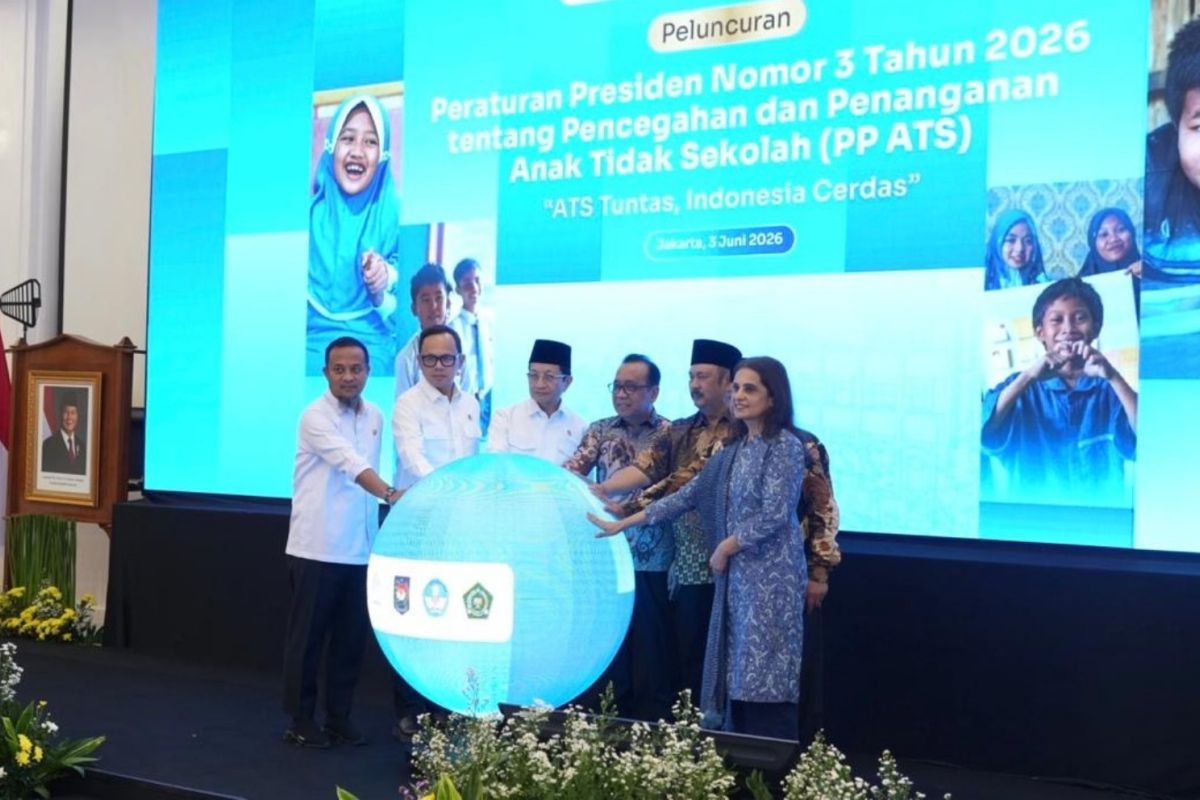
The Minister of Religious Affairs, Nasaruddin Umar, stated that madrasas and pesantren support the implementation of Presidential Regulation Number 3 of 2026 concerning the Prevention and Handling of Out-of-School Children (PP ATS) and are ready to play a role in fulfilling children’s rights to education.
“The Ministry of Religious Affairs welcomes this Presidential Regulation as recognition of the vital role of religion-based education in reaching children who have remained underserved,” the Minister said in Jakarta on Wednesday. Nasaruddin Umar noted that religious educational institutions possess a vast reach, extending to the remotest parts of the country, making them essential for reaching children currently excluded from the education system. Therefore, the presence of madrasas and pesantren across various regions serves as significant capital in supporting the government’s efforts to expand educational access for all Indonesian children.
“Madrasas and pesantren are spread throughout the country and are ready to be part of the national solution for handling out-of-school children,” the Minister added.
The Indonesian government officially launched Presidential Regulation Number 3 of 2026 at the Bappenas Building in Jakarta. This regulation is regarded as a major and sustainable step towards ensuring all Indonesian children receive inclusive, safe, and high-quality education. The launch of the PP ATS regulation is a response to the high number of out-of-school children in Indonesia; in 2025, it was recorded that over 3 million children aged 6–18 were outside the education system. This condition is influenced by various factors, including poverty, child marriage, disability, limited access to education, and other social vulnerabilities. The regulation strengthens the legal foundation for coordinated, directed, and implementable prevention and handling efforts, while also clarifying the roles and responsibilities of stakeholders in supporting the continuity of children’s education.