
Presidential Regulation 27/2026 and the Affirmation of Ojol Status as Partner Enterprises
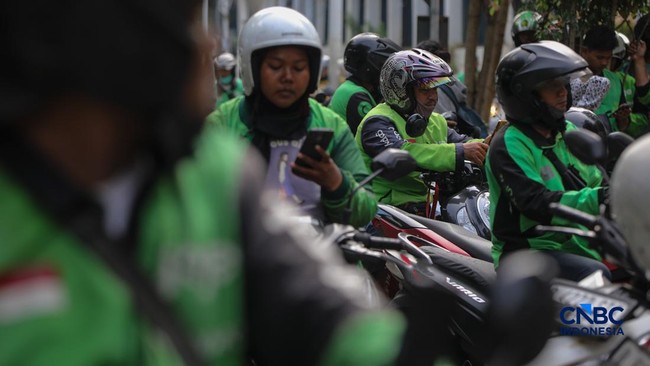
The dynamics surrounding the status of online motorcycle taxi (ojol) drivers have continued to colour public discourse recently. Most recently, the government has confirmed that drivers will be categorised as micro-enterprise actors through Presidential Regulation No. 27 of 2026 on the Protection of Online Transport Workers, which is now entering its finalisation stage. This policy not only provides access to MSME empowerment but also clarifies the division of authority among ministries in regulating the digital transport ecosystem. Through this presidential regulation, the Ministry of SMEs plays a crucial role as the partnership coach and driver empowerment body, while the Ministry of Transport will continue to regulate transport fares, and the Ministry of Communication and Digital Affairs will oversee the application platform aspects. The presence of this regulation represents the most significant policy update in the app-based transport ecosystem, where for years the legal status of ojol drivers has remained in a grey area. Transport aspects were regulated by the Ministry of Transport, applications were handled by the Ministry of Communication and Digital, yet protection and empowerment of drivers as partners lacked a specific responsible ministry. The relationship between partners and applications shows that drivers bear all operational costs, work risks, and directly provide transport services to passengers. Conversely, the platform holds a more dominant position in determining partnership terms through its systems and algorithms. This imbalance has triggered conflicts, from disputes over commission deduction rates to the lack of transparency in income distribution. According to data from the Central Statistics Agency (BPS), the number of sole self-employed workers rose by approximately 20 million people in 2014 to 31.5 million people in 2024, an increase of 20.7% of the total workforce. In the digital transport sector, the number of application partner workers increased by 933,104 people between 2019 and 2024. In stark contrast to the rise in worker numbers, driver welfare has actually declined, with average income falling from Rp 3,067,268 in 2019 to Rp 2,634,135 in 2024. Under this scheme, ojol drivers can be grouped as micro-enterprise actors because they meet the criteria for micro-enterprises regulated through the UMKM Law and Government Regulation No. 7 of 2021, enabling drivers to gain access to government facilities for MSMEs. Beyond providing economic benefits, Presidential Regulation No. 27 of 2026 is expected to resolve the institutional problems that have hindered the protection of ojol drivers. Through this regulation, by positioning the Ministry of SMEs as the partnership coach, oversight of the relationship between applications and driver partners is expected to become more integrated. On the other hand, this regulation does not alter the Ministry of Transport’s authority to regulate fares. The government has stressed that ministries will continue to carry out their functions according to their respective fields, but within a mutually integrated policy ecosystem. This model of dividing authority among ministries is considered capable of eliminating policy overlaps while strengthening cross-sectoral coordination in managing digital transport as a driver of the national economy.